What Are Bacteria? Types, Benefits, and Immune System Impact
Technology
Bacteria are single-celled microorganisms that play a vital role in our lives and impact public health.
The definition of bacteria encompasses many different types, some beneficial and others harmful.
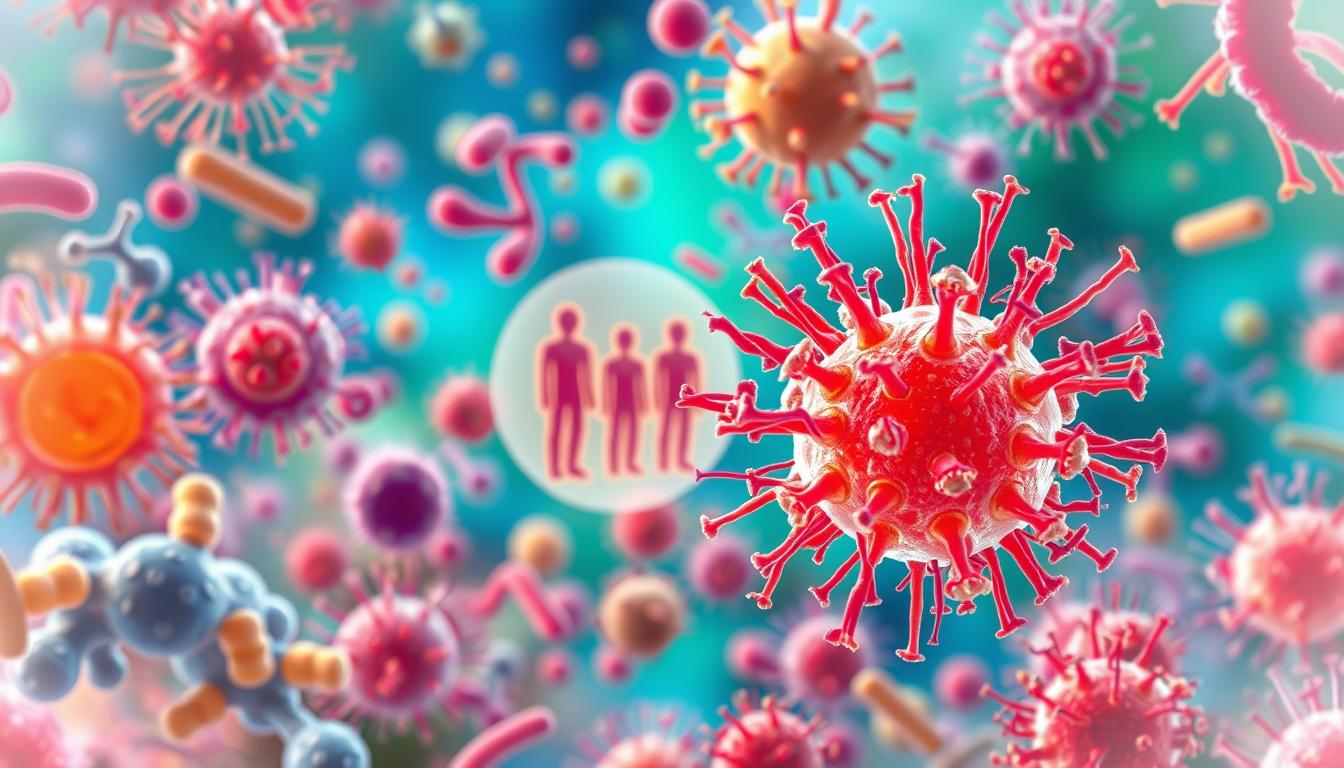
In this section, we will discuss the types of bacteria, their benefits, and their effect on the body's immunity.
Key Summary
- Bacteria are tiny, single-celled living organisms.
- There are different types of bacteria, some beneficial and others harmful.
- Beneficial bacteria play a role in nutrition and strengthening the immune system.
- Bacteria have a significant impact on the body's immunity.
- Understanding the types of bacteria and their benefits helps maintain overall health.
Definition and Origin of Bacteria
Bacteria are microscopic organisms that cannot be seen with the naked eye. These tiny living organisms play an important role in various aspects of life, from environmental processes to their impact on human health.
Nature of Bacteria as Microscopic Organisms
Bacteria are single-celled living organisms, lacking a nucleus and other organelles. They exist in diverse environments, including soil, water, and the human body. There are multiple types of bacteria, some beneficial and others harmful.
- Beneficial bacteria: play a role in food digestion and strengthening the immune system.
- Harmful bacteria: can cause diseases and infections.
Brief Historical Overview of Bacteria Discovery
The Dutch scientist Antonie van Leeuwenhoek discovered bacteria in the 17th century using a microscope. Since then, the study of bacteria has greatly evolved, leading to a deeper understanding of their role in the environment and human health.
In modern times, bacteria have become the subject of many medical and environmental studies, contributing to the development of antibiotics and the understanding of the human microbiome.
Locations of Bacteria in Nature and Human Life
Bacteria are microscopic organisms found everywhere in our environment, from soil to water and even inside our bodies. These tiny organisms play vital roles in various aspects of life on Earth.
Bacteria in the Surrounding Environment
Bacteria exist everywhere around us—in the air, water, and soil. In soil, bacteria help decompose organic matter and convert it into nutrients that plants can use.
Examples of the role of bacteria in the environment:
- Decomposition of organic matter
- Nitrogen fixation
- Impact on the carbon cycle
| Environment | Role of Bacteria |
| Soil | Decomposition of organic matter and nitrogen fixation |
| Water | Pollutant decomposition and nutrient cycling |
| Air | Participation in carbon and nitrogen cycles |
Bacteria in the Human Body
Bacteria are not limited to the external environment but are also found inside the human body. They play an important role in food digestion, vitamin production, and supporting the immune system.
Examples of beneficial bacteria in the human body:
- Lactobacillus bacteria
- Bifidobacterium bacteria
In conclusion, the presence of bacteria in nature and human life demonstrates their importance and impact on various aspects of life.
What are Bacteria? Types, Benefits, and Their Effect on Body Immunity
Bacteria are microscopic living organisms with different shapes and structures, affecting the body's immunity in multiple ways. These microorganisms are found everywhere around us and inside our bodies, playing a crucial role in various biological processes.
Classification of Bacteria by Shape and Structure
Bacteria vary in shapes and structures and can be classified into several types based on their form. Some bacteria are spherical, while others are rod-shaped or spiral.
Based on structure, bacteria are classified into two main types: Gram-positive and Gram-negative. This classification depends on the bacteria's response to Gram staining, a laboratory method used to identify bacterial types.
Classification of Bacteria by Effect on Humans
Bacteria can also be classified based on their impact on humans. There are beneficial bacteria that play an important role in digestion and enhancing immunity, and harmful bacteria that cause diseases and infections.
| Type of Bacteria | Effect on Humans | Examples |
| Beneficial Bacteria | Enhance digestion and strengthen immunity | Lactobacillus, Bifidobacterium |
| Harmful Bacteria | Cause diseases and infections | Escherichia coli, Salmonella |
Understanding the types of bacteria and their different effects helps us appreciate their role in our lives and health, opening the way to strategies for improving health by maintaining bacterial balance in our bodies.
Difference Between Beneficial and Harmful Bacteria
Beneficial and harmful bacteria are two distinct types that affect the human body differently. While beneficial bacteria contribute to health and improved bodily functions, harmful bacteria cause diseases and infections.
Characteristics of Beneficial Bacteria and Their Role in the Body
Beneficial bacteria play a vital role in maintaining health. Some key characteristics of beneficial bacteria include:
- Enhancing digestion and nutrient absorption.
- Regulating the immune system and stimulating its response.
- Producing important vitamins, such as vitamin K.
- Preventing the growth of harmful bacteria in the gut.
Beneficial bacteria also help maintain a healthy gut microbiome balance, which aids in preventing many digestive and immune-related diseases.
Characteristics of Harmful Bacteria and Their Negative Effects
Harmful bacteria, on the other hand, cause diseases and infections in humans. Some key characteristics of harmful bacteria include:
- Producing toxins that damage cells and tissues.
- Causing infections and diseases such as pneumonia and urinary tract infections.
- Affecting the digestive system, causing diarrhea or constipation.
- Deteriorating oral and gum health.
Harmful bacteria can lead to serious complications if not properly treated.
Harmful Bacteria: The Most Dangerous Types Causing Diseases
Harmful bacteria pose a significant threat to public health due to their ability to cause serious diseases. These bacteria can adapt to different environments and develop resistance mechanisms to medical treatments.
Examples of Disease-Causing Bacteria
There are many types of harmful bacteria that cause various diseases in humans. Some examples include:
- Staphylococcus aureus: causes skin infections and food poisoning.
- Salmonella: causes food poisoning.
- Mycobacterium tuberculosis: causes tuberculosis.
- Escherichia coli: some strains cause food poisoning.
How Bacterial Infection Spreads
Bacterial infections can spread in various ways, including:
- Direct contact with an infected person.
- Consuming contaminated food or water.
- Inhalation: breathing in airborne droplets containing bacteria.
| Type of Bacteria | Disease Caused | Mode of Transmission |
| Staphylococcus aureus | Skin infections, food poisoning | Direct contact, contaminated food |
| Salmonella | Food poisoning | Contaminated food |
| Mycobacterium tuberculosis | Tuberculosis | Inhalation |
Human Microbiome: A Complex Bacterial Environment in the Gut
The human microbiome refers to the community of bacteria that live in the gut and influence our overall health. This complex bacterial community plays a vital role in many biological processes, including digestion, vitamin synthesis, and immune system regulation.
Definition and Importance of the Microbiome
The human microbiome refers to all the microorganisms that live inside and on the human body. In the gut, beneficial bacteria are an essential part of this microbiome, contributing to food digestion and converting it into usable energy. They also play a role in producing certain vitamins, such as vitamin K.
The importance of the microbiome extends beyond digestion; it affects overall health, including heart health, weight, and even mental well-being.
Factors Affecting Microbiome Balance
The balance of the human microbiome can be influenced by multiple factors, including diet, antibiotic exposure, stress, and lifestyle. Consuming foods high in sugar and fat can alter the bacterial composition in the gut, leading to imbalance.
As Dr. Jeffrey Gordon says, "The human microbiome is a new organ in the body, and understanding how it works can open new horizons in medicine."
Overuse of antibiotics can kill beneficial bacteria, leading to microbiome imbalance. Maintaining a healthy balance through consumption of probiotic-rich foods, such as yogurt and fermented cabbage, is important.
- Eat fiber-rich foods
- Avoid excessive use of antibiotics
- Maintain a healthy lifestyle
Major Types of Beneficial Bacteria in the Human Body
Beneficial bacteria play a vital role in maintaining human health. These bacteria reside in various parts of the body, especially in the digestive system, and perform multiple functions that help maintain health balance.
Lactobacillus Bacteria and Their Benefits
Lactobacillus is one of the most common beneficial bacteria. It helps digest lactose and convert it into lactic acid, contributing to maintaining a healthy gut pH balance.
- Promote digestive health
- Help prevent diarrhea
- Support the immune system
Bifidobacterium Bacteria and Their Importance
Bifidobacterium is another type of beneficial bacteria that plays an important role in gut health. These bacteria help:
- Strengthen the immune system
- Prevent the growth of harmful bacteria
- Improve nutrient absorption
Other Types of Beneficial Bacteria
Other types of beneficial bacteria that contribute to human health include:
- Streptococcus thermophilus
- Bacteroides
All these types play different roles in promoting overall health and maintaining body balance.
Role of Bacteria in Food Digestion and Nutrient Absorption
The role of bacteria in food digestion goes beyond breaking down food; it also extends to producing essential vitamins. Beneficial bacteria in the gut play a crucial role in this process.
Mechanism of Bacteria in Food Breakdown
Beneficial bacteria in the gut break down complex carbohydrates, proteins, and dietary fibers. This process not only aids digestion but also produces short-chain fatty acids that play a key role in gut health.
Bacteria also help improve the absorption of minerals such as calcium, magnesium, and iron by enhancing the function of epithelial cells in the gut.
Nutrients Produced with the Help of Bacteria
Beneficial bacteria produce many important nutrients, including:
- Vitamin K, which is crucial for blood clotting.
- Certain B vitamins, such as biotin and folate.
- Short-chain fatty acids, which provide energy to gut epithelial cells.
Studies also indicate that beneficial bacteria play a role in regulating appetite and metabolism, which may affect body weight and overall health.
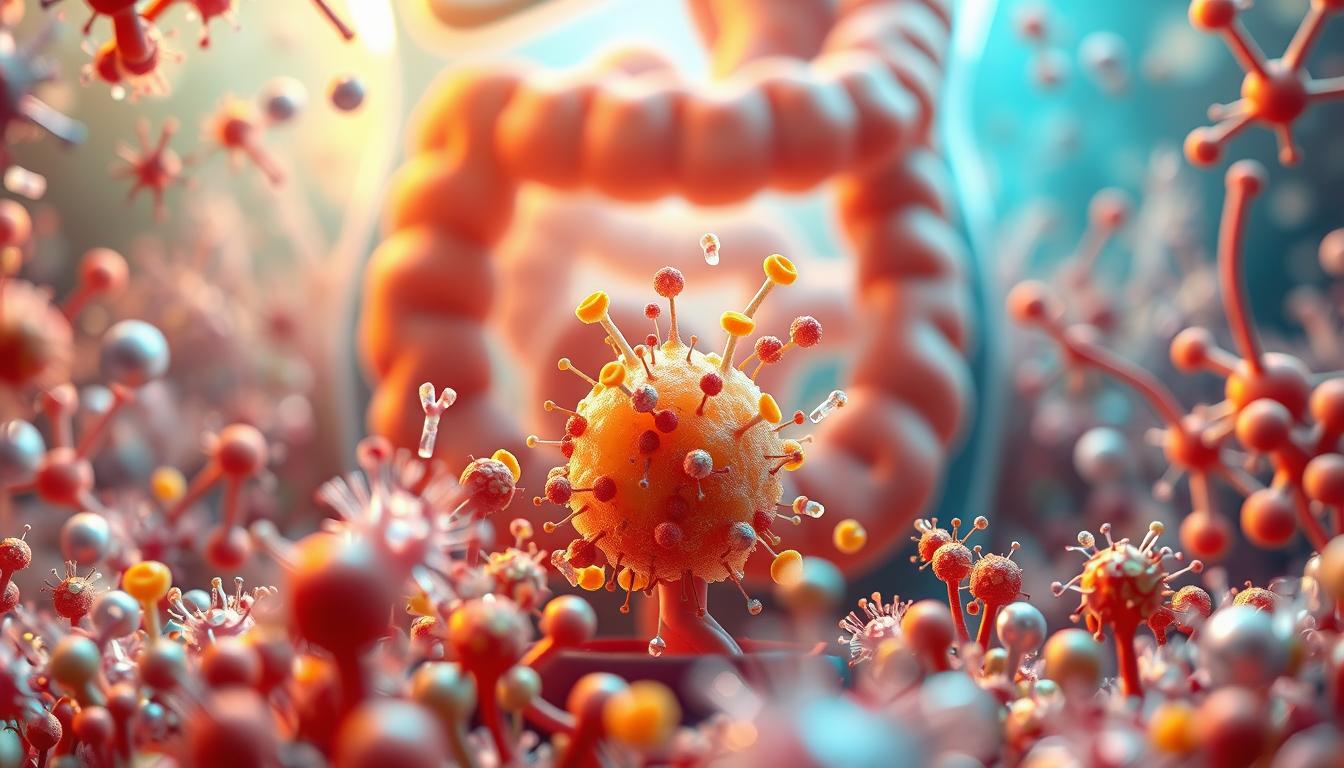
In conclusion, the role of bacteria in digesting food and absorbing nutrients is an important aspect of overall health. Maintaining a healthy balance of beneficial bacteria in the gut can have a positive effect on general well-being.
How Gut Bacteria Maintain Digestive Balance
Gut bacteria play a crucial role in maintaining digestive balance through multiple mechanisms. These bacteria are an integral part of intestinal and overall digestive health.
The Role of Bacteria in Preventing Harmful Microbes
Beneficial gut bacteria prevent the growth of harmful microbes through several mechanisms. First, they compete for nutritional resources, limiting the growth of harmful bacteria. Second, gut bacteria produce antimicrobial substances that help eliminate harmful organisms.
Additionally, gut bacteria contribute to strengthening the immune system, helping to fight infections and reduce the spread of harmful microbes.
The Impact of Bacteria on Gut Motility and Health
Gut bacteria significantly affect gut motility and health. They help improve bowel movements through the production of short-chain fatty acids, which are an important energy source for intestinal cells.
Gut bacteria also play a role in maintaining the integrity of the intestinal wall, preventing the leakage of harmful substances into the bloodstream.
| Role of Gut Bacteria | Effect on the Digestive System |
| Prevent harmful microbes | Enhance overall digestive health |
| Affect bowel movements | Improve digestion and nutrient absorption |
| Maintain intestinal wall integrity | Prevent harmful substances from entering the bloodstream |
The Relationship Between Bacteria and the Human Immune System
Bacteria play a pivotal role in enhancing the immune system's ability to fight diseases. Numerous studies indicate that the balance of bacteria in the body significantly affects immune system performance.
How Beneficial Bacteria Interact with Immune Cells
Beneficial bacteria interact with immune cells by sending chemical signals that help enhance immune responses. These interactions play an important role in maintaining and strengthening the immune system.
Mechanisms of Interaction:
- Production of short-chain fatty acids that help regulate immune responses.
- Influence on the maturation and activation of immune cells.
- Strengthening the intestinal mucosal barrier, reducing gut wall permeability.
The Impact of Bacteria on Immune System Development
Bacteria play a crucial role in the development of the immune system from the earliest stages of life. The presence of beneficial gut bacteria helps shape and properly develop the immune system.
Studies have shown that children born via cesarean section, who lack early exposure to maternal bacteria, may be more susceptible to immune-related diseases in the future.
The following table illustrates the impact of bacteria on immune system development:
| Age | Bacteria's Impact | Effect on the Immune System |
| Childhood | Establishing the initial microbiome | Development of immune cells |
| Adolescence | Influence on immune cell maturation | Enhanced immune response |
| Adulthood | Maintaining microbiome balance | Maintaining immune health |
In conclusion, the relationship between bacteria and the human immune system is mutual and vital. Maintaining a healthy balance of bacteria in the body is essential to boost immune performance and fight diseases.
Effects of Imbalance in Beneficial Gut Bacteria
An imbalance in beneficial gut bacteria can lead to serious health issues. The delicate balance between beneficial and harmful bacteria plays a crucial role in maintaining human health.
Causes of Bacterial Imbalance
Several factors can lead to bacterial imbalance in the gut, including:
- Excessive use of antibiotics.
- Following an unbalanced diet.
- Exposure to psychological stress and tension.
- Consuming processed foods containing preservatives.
These factors can affect the balance of gut bacteria and lead to imbalance.
Health Problems Resulting from Bacterial Imbalance
An imbalance of beneficial gut bacteria can cause many health problems, including:
| Health Issue | Description |
| Digestive disorders | Diarrhea, constipation, and abdominal pain. |
| Weak immune system | Increased susceptibility to diseases. |
| Skin disorders | Acne, eczema, and skin infections. |
It is important to maintain a balance of beneficial gut bacteria to improve overall health.
Maintaining a balance of bacteria in the gut is an essential part of overall health. Experts say that a balanced diet and dietary supplements can help achieve this balance.
Signs of Beneficial Gut Bacteria Deficiency
When levels of beneficial gut bacteria decrease, undesirable symptoms may appear, affecting overall health. A deficiency in beneficial bacteria can lead to digestive problems and immune system disturbances.
Digestive Symptoms of Beneficial Bacteria Deficiency
A deficiency in beneficial gut bacteria can cause several digestive symptoms, including:
- Diarrhea or constipation
- Abdominal bloating and gas
- Stomach pain
- Difficulty digesting certain foods
These symptoms occur due to imbalance in the gut microbiome, where harmful bacteria become more active and negatively affect digestion.
Impact of Beneficial Bacteria Deficiency on Immunity and Overall Health
Beneficial bacteria play an important role in supporting the immune system. When their levels decrease, the immune system may be negatively affected, increasing the risk of diseases.
| Effect | Description |
| Weakened immunity | Increased susceptibility to infections and diseases |
| Digestive disorders | Symptoms such as diarrhea, constipation, and bloating |
| Psychological effects | Depression, anxiety, and mood swings |
Therefore, it is important to maintain a balance of gut bacteria by consuming probiotic-rich foods and avoiding factors that cause bacterial imbalance.
Probiotics and Probiotic-Rich Foods for Improving Beneficial Bacteria Health
Probiotics are preparations containing beneficial bacteria that help restore the balance of the gut microbiome. These bacteria play an important role in improving digestive health and enhancing immunity.
What Are Probiotics and How Do They Work
Probiotics are live bacteria or beneficial yeasts for the body, especially for the digestive system. When consumed, these bacteria help restore microbiome balance, enhancing food digestion and nutrient absorption.
Probiotics work by:
- Regulating bacterial balance in the gut
- Enhancing gut barrier function
- Modulating immune system response
- Producing anti-inflammatory substances
Best Natural Sources of Probiotics
Probiotics can be obtained from fermented foods, which are natural sources rich in beneficial bacteria.
Some of the best probiotic sources include:
- Yogurt
- Pickles
- Sauerkraut
- Kombucha (fermented tea)
- Miso
These foods are rich in probiotics and can easily be added to the daily diet to improve beneficial bacteria health and overall wellness.
The Impact of Antibiotics on Beneficial and Harmful Bacteria
The effect of antibiotics on bacteria is not selective, which can lead to bacterial imbalance. While antibiotics target disease-causing bacteria, beneficial bacteria are also affected.
How Antibiotics Work
Antibiotics work by targeting vital bacterial processes, such as cell wall formation or protein synthesis. This process kills or slows the growth of harmful bacteria.
However, antibiotics also affect beneficial bacteria in the gut and digestive system, which can lead to microbiome imbalance.
Strategies to Preserve Beneficial Bacteria During Antibiotic Treatment
To maintain beneficial bacteria during antibiotic treatment, several strategies can be followed:
- Take probiotics: Probiotics are live beneficial bacteria that help maintain microbiome balance.
- Consume fiber-rich foods: Dietary fiber helps nourish beneficial bacteria and promotes their growth.
- Avoid overusing antibiotics: Antibiotics should be used only when absolutely necessary.
| Strategy | Description | Benefits |
| Take Probiotics | Probiotics are live beneficial bacteria | Promote microbiome balance, improve digestion |
| Consume Fiber-Rich Foods | Fiber nourishes beneficial bacteria | Supports beneficial bacteria growth, improves overall health |
| Avoid Overusing Antibiotics | Use antibiotics only when necessary | Reduce negative impact on beneficial bacteria |
The Future of Using Bacteria in Medicine and Modern Therapies
The future of medicine includes innovative uses of bacteria. Recent research opens new horizons for using bacteria in treating resistant diseases.
Innovative Bacterial Therapies
Innovative bacterial therapies include using genetically engineered bacteria to consume cancer cells or produce antimicrobial substances.
- Genetically modified bacteria to target cancer cells
- Using bacteria to produce antibiotics
Microbiome Research and the Future of Personalized Medicine
Microbiome research plays a crucial role in understanding how bacteria affect human health and in providing personalized treatments.
| Research Area | Potential Applications |
| Personal Microbiome Analysis | Identify effective treatments for each individual based on their microbiome composition |
| Development of Custom Probiotics | Use probiotics to improve gut health and support the immune system |
Research shows that understanding the microbiome can lead to more effective treatments with fewer side effects.
Conclusion
Bacteria are an essential part of our lives, playing an important role in maintaining our overall health. By understanding different types of bacteria and their effects on our bodies, we can improve our health and prevent diseases.
Beneficial gut bacteria play a vital role in digesting food and absorbing nutrients, as well as supporting the immune system. On the other hand, harmful bacteria can cause serious illnesses if not controlled.
To maintain beneficial bacteria balance, we can consume probiotic-rich foods such as yogurt and sauerkraut. Antibiotics should also be used carefully to avoid harming beneficial bacteria.
Ultimately, understanding bacteria and their impact on our health is crucial to improving our quality of life. By maintaining beneficial bacteria balance, we can enhance overall health and well-being.
FAQ
What are bacteria?
Bacteria are microscopic organisms that cannot be seen with the naked eye, and they exist everywhere around us and in our bodies.
How did scientists discover bacteria?
Bacteria were discovered through a microscope, with Antony van Leeuwenhoek providing the first evidence of their existence in the 17th century.
What are the types of bacteria?
There are many types of bacteria, including beneficial and harmful ones, differing in shapes, sizes, and effects on the environment and the body.
What is the role of beneficial bacteria in the human body?
Beneficial bacteria play an important role in digesting food, absorbing nutrients, and enhancing the immune system.
How can we maintain bacterial balance in the gut?
Bacterial balance in the gut can be maintained by consuming probiotic-rich foods and avoiding excessive use of antibiotics.
What are probiotics?
Probiotics are live bacteria or yeast cells that help maintain gut bacterial balance and enhance overall health.
How do antibiotics affect beneficial and harmful bacteria?
Antibiotics can kill both beneficial and harmful bacteria, potentially leading to an imbalance in gut bacteria.
What are the signs of a deficiency of beneficial gut bacteria?
Signs of a deficiency of beneficial bacteria may include digestive problems, weakened immunity, and changes in overall health.
How can we enhance the health of beneficial bacteria?
The health of beneficial bacteria can be enhanced by consuming probiotic-rich foods, eating dietary fiber, and avoiding excessive antibiotic use.
What is the future of using bacteria in medicine and modern therapies?
Promising research exists on using bacteria in modern therapies, including innovative bacterial treatments and microbiome research.