Exploring the Future of Electric and Smart Cars: Technology and AI
Technology
The automotive industry is undergoing a radical transformation with the emergence of electric and smart cars, where technology and artificial intelligence play a significant role in shaping the future of this industry.
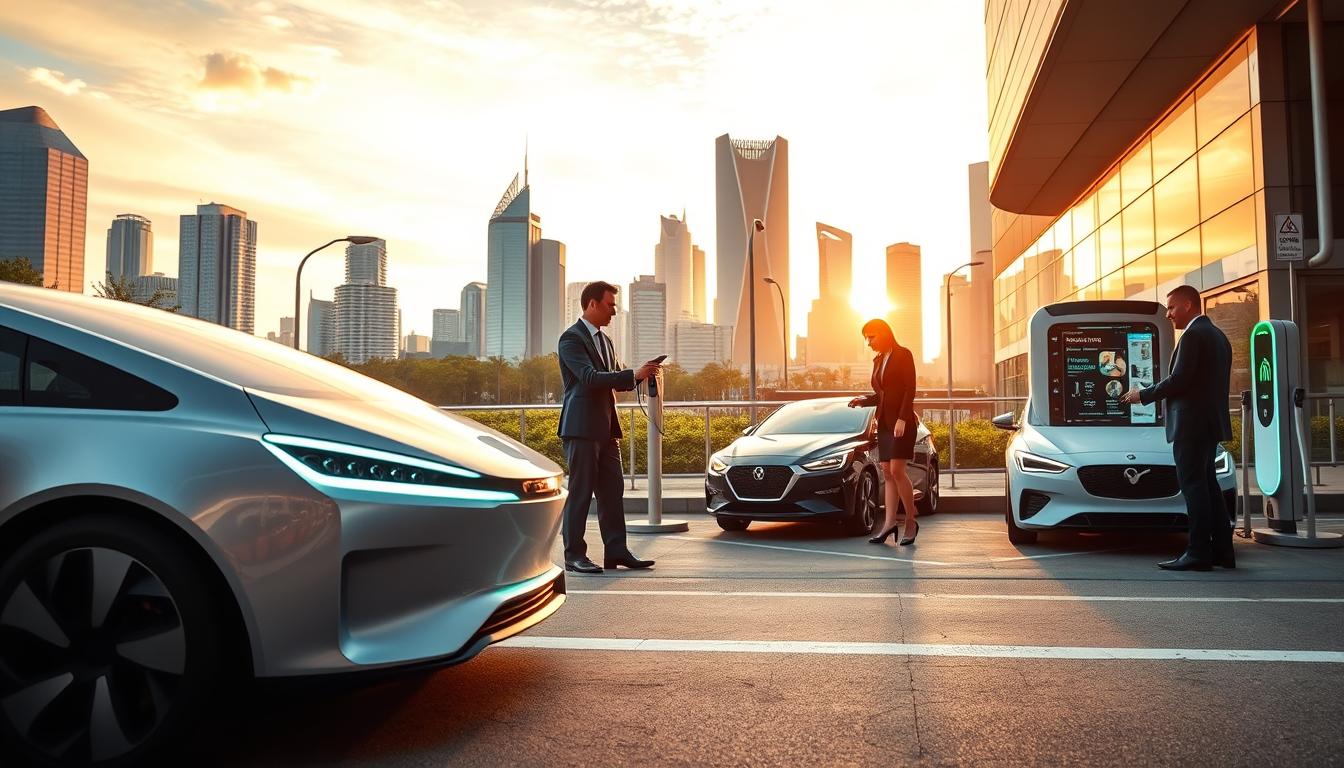
With the advancement of technology, electric and smart cars have become more efficient and safer, opening new horizons for the driving experience.
In this context, we will explore how technology and artificial intelligence are transforming the automotive industry and the driving experience.
Key Takeaways
- Technology and artificial intelligence are transforming the automotive industry.
- Electric and smart cars are more efficient and safer.
- The driving experience evolves with technological advancement.
- The industry is undergoing a radical transformation.
- The future of cars depends on technology and artificial intelligence.
Overview of the Evolution of Electric and Smart Cars
In recent years, the electric and smart car industry has witnessed remarkable development. This evolution is driven by technological advancements and the growing focus on the environment.
Electric and smart cars have become an integral part of the future of the automotive industry, offering innovative solutions to enhance car performance and reduce harmful emissions.
Historical Stages of Electric Car Development
Electric cars first appeared in the 19th century but did not gain widespread popularity until recent years. Recent developments in battery technology have increased the range and performance of electric vehicles.
Transition from Traditional to Smart Cars
The shift from traditional cars to smart cars involves many advanced technologies, such as intelligent driver assistance systems and advanced connectivity features. These technologies make driving safer and more comfortable.
Leading Companies in the Electric and Smart Car Industry
Companies like Tesla, BMW, and Mercedes-Benz are among the leading players in the electric and smart car industry. These companies heavily invest in research and development to enhance automotive technology.
The electric and smart car industry continues to evolve, with expectations for increasing popularity of these cars in the future.
Electric and Smart Cars: Technology and Artificial Intelligence in the Automotive Industry
Technology and artificial intelligence play a crucial role in the development of electric and smart cars. This technology not only improves car performance but also enhances the overall driving experience.
Role of Artificial Intelligence in Modern Car Development
Artificial intelligence plays a central role in developing modern cars, as it is used to improve driving systems and customize the driving experience for the driver.
AI Applications in Driving Systems
AI applications in driving systems include intelligent driver assistance systems, such as adaptive cruise control and lane-keeping systems.
AI Impact on Car Design
AI also influences car design by helping optimize interior and exterior components for maximum efficiency and comfort.
Key Technologies Used in Smart Cars
Key technologies in smart cars include advanced sensing systems, wireless connectivity, and sophisticated software that enables the car to interact with its surroundings.
| Technology | Description | Impact |
| Sensing Systems | Used to detect obstacles and hazards | Increased safety |
| Wireless Connectivity | Enables the car to connect with external systems | Enhanced driving experience |
| Advanced Software | Allows the car to interact with the surrounding environment | Improved efficiency and comfort |
How AI is Changing the Driving Experience in Modern Cars
Artificial intelligence is revolutionizing the driving experience thanks to modern technological advancements. With technological progress, cars have become smarter and more responsive to drivers' needs.
One of the most important AI applications in modern cars is intelligent driver assistance systems.
Intelligent Driver Assistance Systems
These systems enhance road safety and reduce accidents.
Voice Control and Driver Interaction Systems
These systems allow drivers to interact with the car more easily and comfortably, such as using voice commands for navigation and entertainment systems.
Advanced Navigation and Traffic Prediction Systems
These systems help drivers navigate more efficiently and provide accurate traffic predictions.
Personalizing the Driving Experience Using AI
AI allows customization of the driving experience according to individual driver needs and preferences.
By analyzing driver behavior and preferences, a smart car can adjust its settings to provide a more comfortable and suitable driving experience.
Modern Technology in Electric Battery Manufacturing
With technological progress, the electric battery industry is witnessing major advancements that enhance the efficiency of electric cars. This progress not only improves battery performance but also extends their lifespan and reduces costs.
Evolution of Lithium-Ion Batteries and Future Alternatives
Lithium-ion batteries currently dominate the electric car industry due to their high efficiency and energy density. Efforts continue to develop promising alternatives, such as solid-state batteries.
Soli
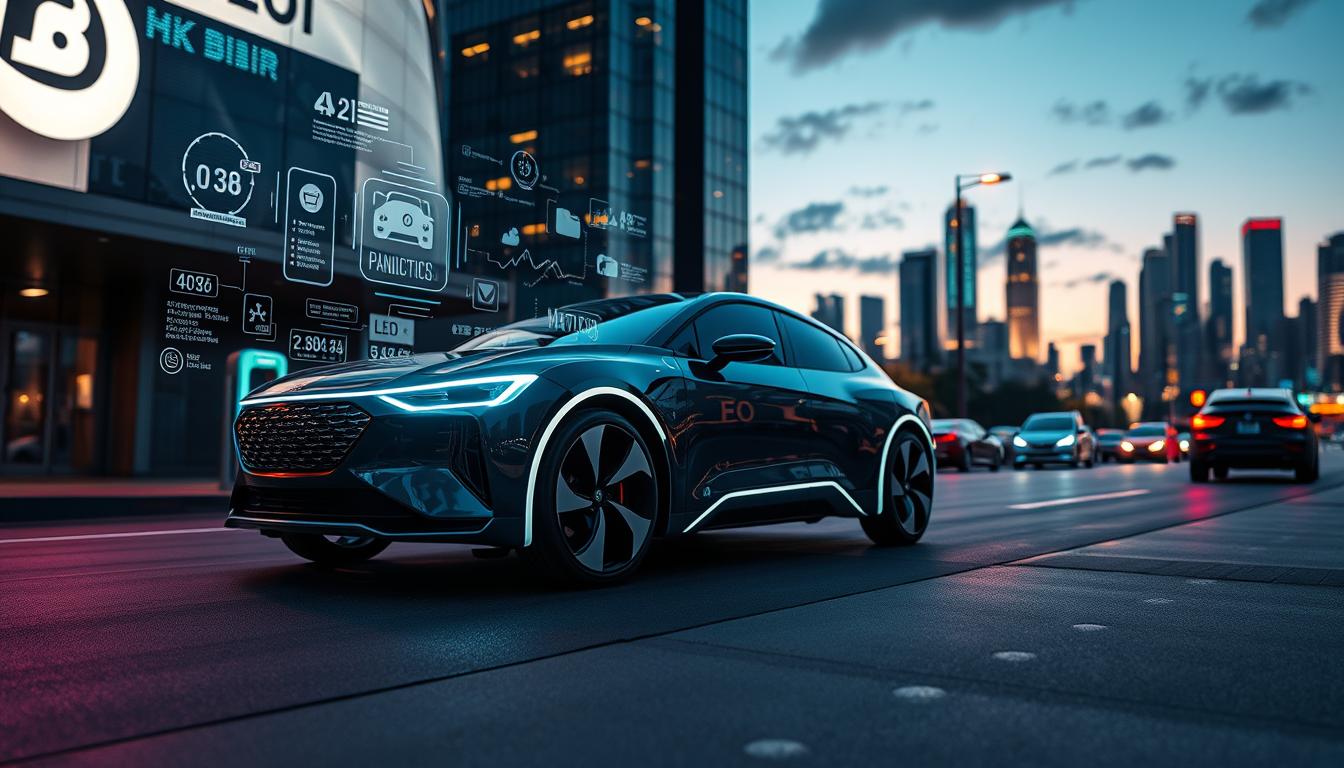
Artificial Intelligence and Energy Efficiency in Electric Vehicles
Artificial intelligence plays a crucial role in improving energy consumption in electric vehicles. Through advanced algorithms, electric vehicles can optimize energy efficiency and reduce waste.
Energy Consumption Optimization Algorithms
Electric vehicles rely on sophisticated algorithms to improve energy consumption. These algorithms use data about driving conditions, vehicle speed, and road conditions to enhance battery performance.
Machine Learning for Battery Efficiency
Machine learning plays an important role in improving battery efficiency. By analyzing past usage data, the vehicle can learn how to optimize energy consumption and reduce unnecessary charging.
Consumption Prediction and Route Planning Systems
Consumption prediction and route planning systems help improve energy efficiency. These systems use traffic and road condition data to determine the optimal route and minimize energy consumption.
Smart Energy Management and Range Extension
Smart energy management plays a crucial role in extending the driving range of electric vehicles. By optimizing energy consumption and reducing waste, electric vehicles can travel longer distances on a single charge.
Impact of Technological Innovations on Electric Vehicle Costs
The electric vehicle industry has witnessed rapid advancements in recent years, significantly affecting their costs. These developments improve vehicle performance and also reduce production expenses.
Factors Affecting Electric Vehicle Prices
Several factors play an important role in determining the prices of electric vehicles, including:
Battery Costs and Their Impact on Final Price
Battery cost is one of the main factors influencing the price of electric vehicles. With advances in battery technology, batteries have become more efficient and less expensive.
Role of Mass Production in Reducing Costs
Mass production of electric vehicles contributes to reducing production costs, making them more competitive in the market.
| Influencing Factors | Impact on Cost |
| Battery Cost | Reduced cost by 20% |
| Mass Production | Reduced production costs by 15% |
Expected Cost Reduction with Technological Advances
With ongoing technological progress, electric vehicle costs are expected to decrease further, making them a more attractive option for consumers.
Sustainable Transportation Future with Smart and Eco-Friendly Vehicles
With technological advances, smart and electric vehicles have become a promising choice for achieving a sustainable transportation future. These vehicles not only provide environmental solutions but also advanced technology to enhance the driving experience.
Environmental Impact of Electric Vehicles Compared to Conventional Vehicles
Electric vehicles have a much lower environmental impact compared to conventional fossil-fuel vehicles. This is due to reduced carbon emissions and improved air quality.
Reducing Carbon Emissions and Improving Air Quality
By using electricity as an energy source, electric vehicles significantly reduce carbon emissions, contributing to improved air quality and lower pollution.
Life Cycle of Electric Vehicles and Overall Environmental Impact
The life cycle of electric vehicles should be considered comprehensively, including battery manufacturing and disposal, to accurately assess their environmental impact.
| Electric Vehicles | Conventional Vehicles |
| Zero emissions during driving | High carbon emissions |
| Low operating cost | Higher operating cost |
| Advanced technology | Conventional technology |
Integrating Smart Vehicles into Sustainable Transport Systems
Smart vehicles can be integrated into sustainable transport systems by connecting them with urban infrastructure and developing intelligent charging networks.
Cloud Technology and Its Role in Updating Smart Vehicle Software
The role of cloud technology in enhancing smart vehicles cannot be overlooked. It allows continuous software updates, which improve vehicle performance and increase efficiency.
Remote Updates and Vehicle Performance Development
Remote updates allow manufacturers to improve vehicle performance without the need for visits to service centers, saving time and effort for vehicle owners.
Software Update Mechanism via Internet
Software updates are performed through cloud connectivity, where new updates are uploaded to the vehicle system. This process is secure and reliable.
Enhancing Performance through Continuous Updates
Continuous updates allow vehicles to improve performance over time, enhancing the driving experience and increasing vehicle safety.
Benefits of Cloud Connectivity for Smart Vehicles
Cloud connectivity provides many advantages for smart vehicles, including real-time data analysis and personalized services for drivers.
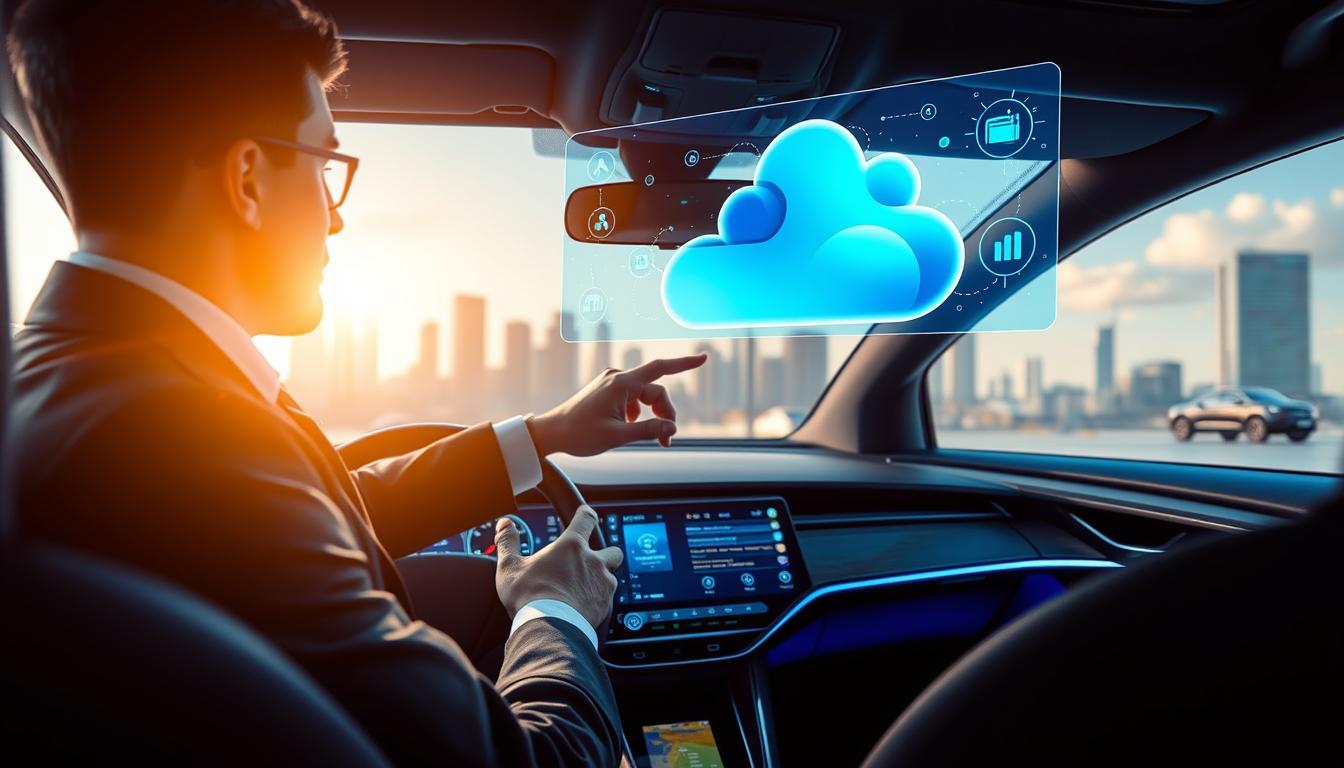
In conclusion, cloud technology plays a vital role in enhancing smart vehicles and updating their software. This technology improves vehicle performance and provides a safer and more comfortable driving experience.
How Electric Vehicles and Smart Algorithms Are Transforming Smart Cities
The integration of electric vehicles and smart algorithms is revolutionizing the concept of smart cities. This technology not only improves the driving experience but also changes how cities are designed and operated.
Integration of Smart Vehicles with Urban Infrastructure
Smart vehicles integrate with urban infrastructure through continuous connection with traffic and city management systems. This integration allows for improved traffic flow and reduced congestion.
Vehicle-to-Traffic System Communication
Communication between vehicles and traffic systems enables the exchange of road condition information, helping to improve safety and reduce accidents.
Data Exchange with Smart City Systems
Data exchange between vehicles and smart city systems can lead to significant improvements in resource efficiency and provide better services to residents.
Impact of Electric Vehicles on Future City Planning
Electric vehicles have a significant impact on future city planning, requiring different infrastructure to support vehicle charging.
Sustainable city planning requires a deep understanding of how electric vehicles interact with the urban environment.
Cybersecurity in Smart Vehicles: Challenges and Solutions
With the widespread adoption of smart vehicles, cybersecurity has become a critical issue. Risks related to hacking and cyber-attacks are increasing, necessitating effective security measures.
Hacking and Intrusion Risks for Connected Vehicles
Smart vehicles are exposed to hacking risks due to their internet connectivity. Hackers can access and control vehicle systems, potentially causing serious accidents.
Security Vulnerabilities in Smart Vehicle Systems
There are several security vulnerabilities in smart vehicle systems, including:
- Infotainment systems
- Internet connectivity systems
- Vehicle control systems
Potential Attack Scenarios and Their Impact
Cyberattacks on smart vehicles may include:
- Breaching braking systems
- Steering control manipulation
- Theft of personal data
Technologies for Protecting Smart Vehicle Systems
To protect smart vehicles from cybersecurity threats, advanced technologies are used, such as:
- Encryption
- Intrusion detection systems
- Continuous security updates
By applying these solutions, cybersecurity in smart vehicles can be enhanced, and potential risks minimized.
Modern Technologies for Connecting Smartphones to Smart Vehicles
Modern technology has made it possible to connect smartphones to smart vehicles in smarter and safer ways. This connection allows users to enjoy a more convenient and enjoyable driving experience.
Integrated Communication Systems Between Smartphones and Vehicles
Communication systems between smartphones and vehicles have become more advanced, allowing users to control many vehicle functions via their phones.
Apple CarPlay and Android Auto Applications
Applications such as Apple CarPlay and Android Auto provide an easy-to-use in-car interface, allowing access to apps, messages, and music effortlessly.
Users can now control various vehicle functions, such as engine start and air conditioning, via their smartphones, enhancing driving comfort.
Future of Integration Between Personal Devices and Vehicles
The future holds further integration between personal devices and vehicles, enabling easier data exchange between devices, opening the door to new applications and services.
Conclusion
Electric and smart vehicles represent a revolution in the automotive industry, combining advanced technology and artificial intelligence to improve the driving experience and enhance safety and efficiency.
Reviewing developments in this field shows that technology and AI play a crucial role in modern vehicle advancement, from improving battery performance to enabling autonomous driving applications.
Advances in the electric and smart vehicle industry indicate a promising future for sustainable transportation, reducing environmental impact and increasing energy efficiency.
In summary, the future of electric and smart vehicles depends on the integration of technology and AI, opening new horizons for enhancing driving experience and making it safer and more sustainable.
FAQ
What are smart electric vehicles?
Smart electric vehicles are cars that use electricity as fuel and feature advanced smart technologies such as intelligent driver assistance systems and internet connectivity.
How does artificial intelligence enhance the driving experience?
Artificial intelligence enhances the driving experience through intelligent driver assistance systems and by customizing the driving experience according to driver needs.
What technology is used in electric vehicle batteries?
Electric vehicle battery technology includes lithium-ion batteries and research into future alternatives such as solid-state batteries.
What are autonomous vehicles?
Autonomous vehicles are cars capable of operating without human intervention, using various levels of automation.
How does AI improve safety systems?
AI improves safety systems through accident prevention systems, sensors, and risk prediction technologies.
What are the challenges of charging electric vehicles?
Challenges include charging station infrastructure and improving charging efficiency.
How does big data enhance smart vehicle performance?
Big data enhances smart vehicle performance by collecting, analyzing, and applying data in maintenance and optimization.
What is AI’s role in saving energy in electric vehicles?
AI improves energy consumption through optimization algorithms and energy management systems.
How do technological innovations affect the cost of electric vehicles?
Technological innovations can reduce the cost of electric vehicles by improving production and lowering battery costs.
What is the future of sustainable transportation with smart vehicles?
Smart vehicles contribute to sustainable transportation by reducing emissions and improving transport efficiency.
How does cloud technology update smart vehicle software?
Cloud technology enables remote software updates for smart vehicles, improving their performance.
How do electric vehicles and smart algorithms transform smart cities?
Electric vehicles and smart algorithms help develop smart cities through integration with infrastructure and their impact on urban planning.
What are the security challenges for smart vehicles?
Security challenges include hacking and intrusion risks, requiring advanced security solutions.
What technologies are used to connect smartphones to smart vehicles?
Technologies include Apple CarPlay, Android Auto, and smartphone control of vehicle functions.