Explore the Captivating World of Virtual Reality Gaming
Technology
Virtual reality games have become an integral part of the modern technology industry, offering users an immersive and adventurous experience.
With technological advancements, virtual reality games are becoming increasingly realistic and interactive, a concept no longer considered groundbreaking.
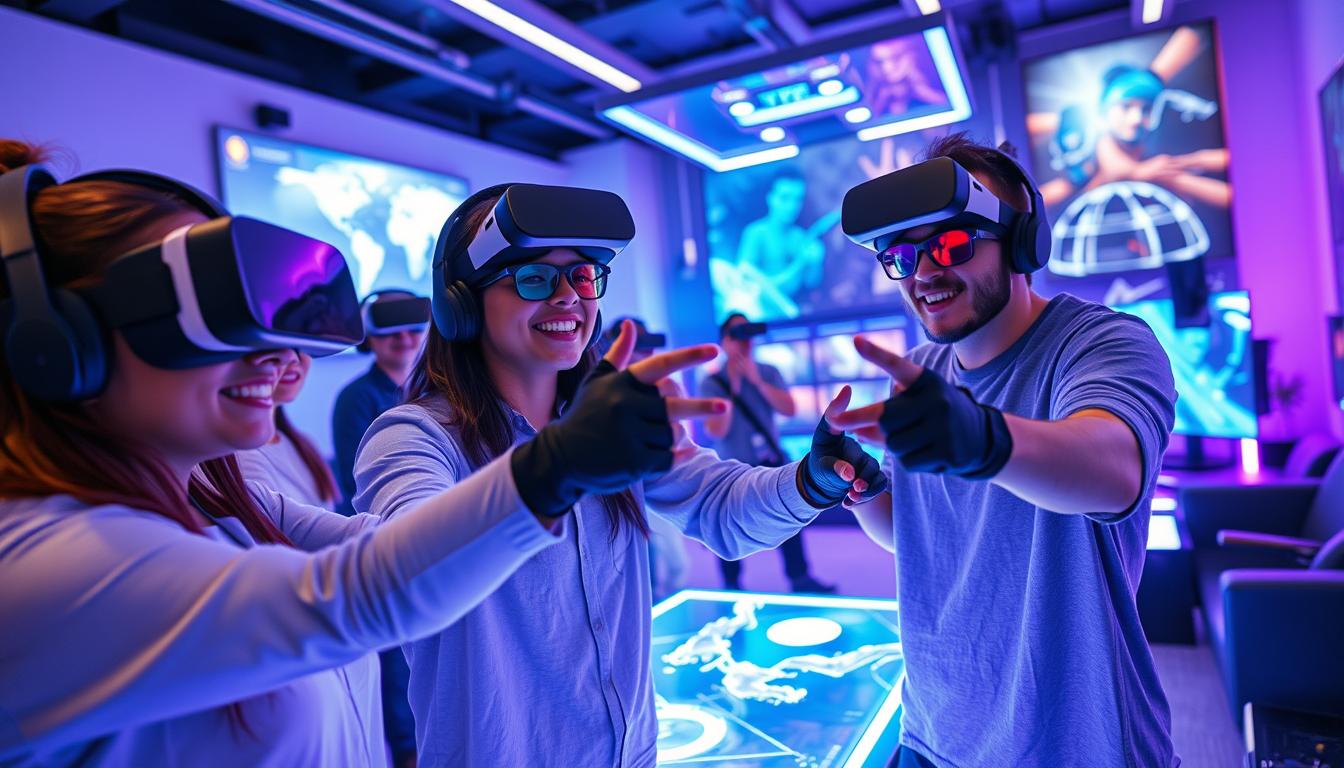
In this article, we will review the impact of Virtual Reality on the entertainment industry and provide an overview of the future of this sector.
Key Takeaways
- The impact of Virtual Reality Games on the entertainment industry
- The evolution of Virtual Reality technologies
- Changing the concept of entertainment with Virtual Reality
- The future of the Virtual Reality Gaming industry
- The impact of Virtual Reality on user experience
Virtual Reality Games that Redefine Entertainment
Virtual Reality Games have radically changed the concept of entertainment by offering unique and innovative gameplay experiences. Thanks to VR technology, players can immerse themselves in virtual worlds and experience games like never before.
How Virtual Reality Games Revolutionized the Entertainment World
Virtual Reality Games revolutionized entertainment by providing unprecedented interactive experiences. Using VR headsets and advanced controllers, players can interact with games in ways previously unavailable.
VR games go beyond simple gameplay, offering a complete experience that includes movement and interaction with the virtual environment. This type of gaming makes the player part of the game, increasing excitement and engagement.
The Impact of Virtual Reality on the Gaming Industry
VR technology has had a significant impact on the gaming industry, leading to new types of games and advanced technologies. Game developers have heavily invested in Virtual Reality to deliver unique gaming experiences.
The impact of Virtual Reality is not limited to games alone; it has extended to other areas such as education, training, and therapy. This expansion in VR applications highlights the importance of this technology across various sectors.
In conclusion, VR games have redefined entertainment and revolutionized the gaming industry. With continuous advancements in VR technology, more innovations are expected in this field.
What is Virtual Reality and How Does it Work?
Virtual Reality is a technological innovation that allows users to interact with three-dimensional virtual environments. This technology has become popular in many fields, including gaming, education, and training.
Definition of Virtual Reality Technology
Virtual Reality technology (VR) creates artificial three-dimensional environments that users can interact with, making them feel part of it. This technology uses special devices such as VR headsets and controllers to provide an immersive experience.
Core Components of VR Systems
VR systems consist of several main components:
- VR Headsets: Devices worn by users to view the virtual environment.
- Controllers: Allow users to interact with the virtual environment.
- Software: Creates virtual environments and enables user interaction.
- Sensors: Track user movements and update the virtual environment accordingly.
How Virtual Reality Technology Works
VR technology works by combining several techniques to create an immersive experience. When the user wears a VR headset, different images are displayed for each eye to create a 3D effect. Sensors track head movement and update the displayed image accordingly, creating a sense of presence in the virtual environment.
The following table highlights some of the key VR system components and their benefits:
| Component | Function | Benefits |
| VR Headsets | Display virtual environment | Immersive experience, 3D vision |
| Controllers | Interaction with virtual environment | Natural interaction, fast response |
| Software | Create virtual environments | Diverse content, continuous updates |
The Evolution of Virtual Reality Games Over Time
VR technology has revolutionized gaming since its inception. This technology has evolved significantly over the years, going through multiple stages of improvement and development.
Initially, VR games faced technical limitations that prevented a smooth user experience. However, continued research and development led to significant improvements in image quality and reduced latency.
Early Beginnings of Virtual Reality Technology
VR technology emerged during the 1960s and 1970s, initially used for specific purposes such as aviation and military training. Early experiments were limited due to the available technology at the time.
A VR pioneer once said: "Virtual Reality is not just a technology; it is a gateway to new and different worlds."
Stages of VR Game Development
VR games went through several development stages, starting with early experiments in the 1980s and 1990s, when hardware was simple and software was limited. With the 21st century, significant progress was made due to advancements in computing and graphics.
- Early experiments in the 1980s
- Developments in the 1990s
- Major leap in the 21st century
Recent Advances in VR Technologies
Recent years have witnessed a major boom in VR technologies, thanks to progress in areas like artificial intelligence and hardware performance optimization. These advancements have led to more realistic and immersive gaming experiences.
| Year | Development |
| 2010 | Launch of the first advanced VR headsets |
| 2016 | Release of VR headsets for consumers |
| 2020 | Major improvements in tracking and graphics technologies |
As VR continues to evolve, games are expected to become even more advanced and impactful in the future.
Educational and Therapeutic Benefits and Diverse Applications of Virtual Reality
Virtual reality applications have expanded to cover multiple fields such as education and healthcare. This modern technology provides realistic simulation experiences that help improve learning and therapeutic processes.
Uses of Virtual Reality in Education
Virtual reality is revolutionizing the field of education by providing interactive learning environments and simulations. Students can explore archaeological sites, conduct complex scientific experiments, and learn practical skills in a safe and effective way.
Applications of Virtual Reality in Psychological and Medical Therapy
Virtual reality technology is used in psychological therapy to treat mental disorders such as phobias and anxiety. It is also applied in medical rehabilitation to improve movement and sensory coordination.
Virtual Reality Applications in Sports and Simulation
Virtual reality plays an important role in training athletes by providing realistic simulation environments to enhance performance. It is also used for training pilots and drivers to improve their skills in a safe setting.
Multiplayer Gaming Experience within Virtual Reality Worlds
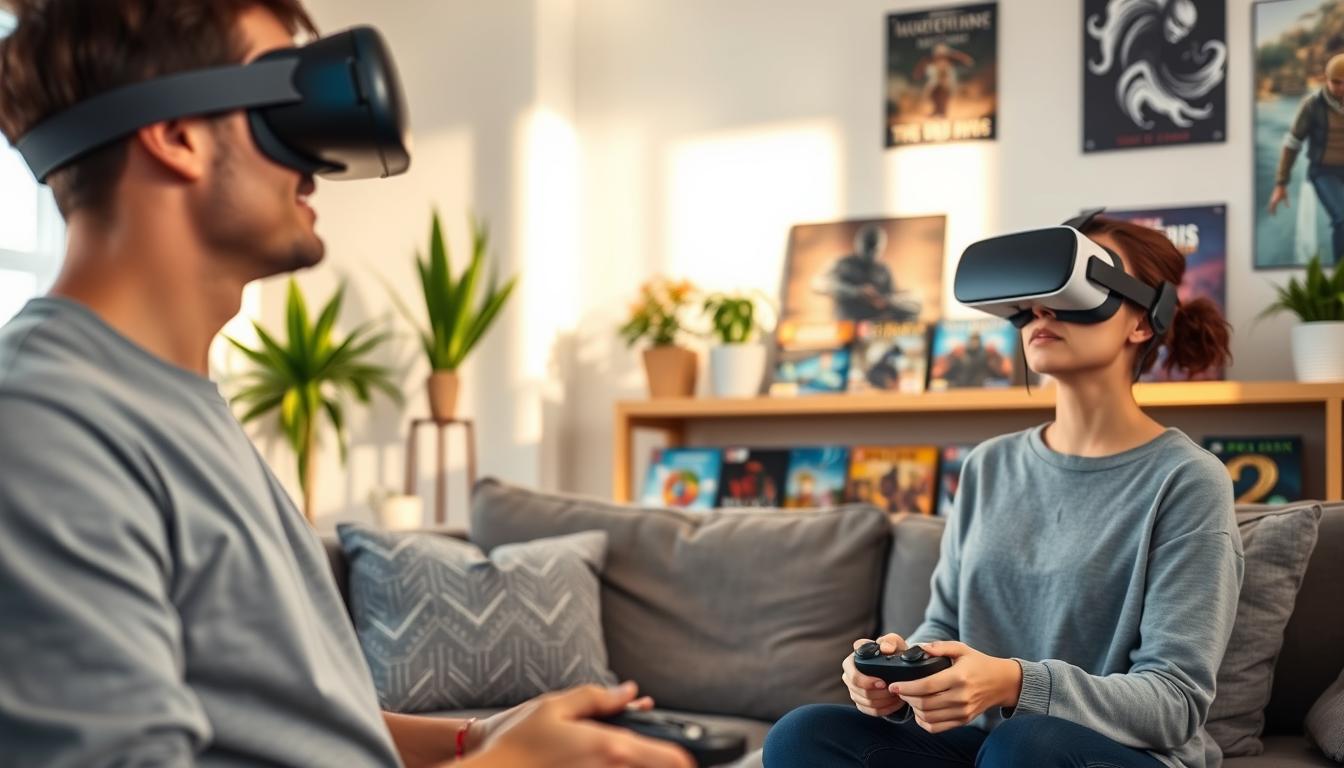
Multiplayer gaming in virtual reality allows players to interact with each other in shared virtual environments. This experience enhances social interaction and provides a more exciting gameplay experience.
In conclusion, virtual reality technology is bringing radical changes across various fields, from education to sports. By providing realistic and safe simulation experiences, it contributes to improving performance, learning, and therapy.
The Future of Virtual Reality Games and the Challenges They Face
With the rapid development of virtual reality technologies, the future of video games looks more exciting than ever. In this section, we will discuss how modern technologies can transform the gaming landscape and the challenges of implementing them.
The Role of Artificial Intelligence in Developing Virtual Reality Games
Artificial intelligence plays a crucial role in enhancing the virtual reality gaming experience. By providing more realistic interactions and adapting to player behavior, AI can make games more engaging and challenging.
For example, AI can create more intelligent and interactive non-player characters (NPCs), enhancing the realism of the game.
Future Expectations of Virtual Reality Games in the Coming Years
Virtual reality games are expected to undergo significant developments in the coming years, including improvements in graphics quality and reduced response latency.
Additionally, VR games are anticipated to become more integrated with other technologies, such as augmented reality and artificial intelligence.
Obstacles to the Global Adoption of Virtual Reality Technologies
Despite major advancements, there are challenges to the widespread adoption of virtual reality technologies, such as the high cost of devices and limited content availability.
Comparison Between Virtual Reality and Augmented Reality Games
| Criteria | Virtual Reality | Augmented Reality |
| Immersion | High | Medium |
| Interaction | High | Medium |
| Cost | High | Medium to Low |
In conclusion, the future of virtual reality games looks promising, but there are challenges that must be addressed to realize this future. By understanding and solving these challenges, significant progress in this field can be expected.
Arab Players' Experiences with VR Games and How to Choose the Right Device
Virtual reality games have opened new horizons for Arab players, allowing them to experience games they never tried before. With the spread of this technology, Arab players are sharing their experiences with VR games.
Stories and Experiences of Arab Players with Virtual Reality Games
Many Arab players have expressed admiration for the virtual reality gaming experience. For example, some players shared their experience with Beat Saber, enjoying the combination of music and movement.
One player discussed their experience with Superhot VR, noting that the game offered a unique and enjoyable gameplay experience.
How to Choose the Right Virtual Reality Device for You
Choosing the right VR device requires considering several factors, including:
- Purchase budget
- Types of games you want to play
- Device hardware requirements
Arab players should carefully consider these factors to ensure they select the most suitable device.
The Role of Major Gaming Companies in Developing VR-Based Entertainment
Major gaming companies play an important role in developing virtual reality games. These companies invest in new technologies to enhance the gaming experience.
For example, Oculus has released several excellent games that take advantage of virtual reality technologies.
Conclusion
Virtual reality games have radically changed the concept of entertainment. By reviewing the development of this technology and its impact on the gaming industry, it is clear that virtual reality provides a unique and exciting gaming experience.
Virtual reality is not limited to games; it has multiple applications in education, therapy, and sports. With continued technological development, VR adoption and use across various sectors are expected to increase.
In summary, virtual reality games have opened new horizons in the world of entertainment and technology, making it an exciting field for exploration.
FAQ
What is Virtual Reality?
Virtual reality is a technology that allows users to interact with a three-dimensional virtual environment using specialized devices such as VR headsets.
How Do Virtual Reality Games Work?
VR games work by using sensors and advanced display technologies to create an interactive 3D experience.
What Are the Best VR Headsets for Gaming?
The best VR headsets vary according to personal needs and preferences, but popular headsets include Oculus Quest and HTC Vive.
Which VR Games Are Suitable for Beginners?
Beginner-friendly games include simple adventure games and simulation games such as "Beat Saber" and "Job Simulator".
How Can I Use VR Games Safely?
To use VR games safely, follow the manufacturer's guidelines, avoid playing for extended periods, and leave enough space for movement.
What Are the Educational and Therapeutic Benefits of VR?
VR can be used in education to enhance learning experiences and in psychological and medical therapy to improve treatment outcomes.
How Can I Choose the Right VR Device for Me?
To choose the right VR device, consider factors such as budget, personal needs, and compatibility with other devices.
What Is the Role of AI in Developing VR Games?
AI plays a key role in developing VR games by enhancing gameplay experience and providing more realistic interactions.
What Are the Future Expectations of VR Games?
VR games are expected to continue evolving, with improvements in technology and availability.