Skin Bacteria: Your Body's Natural Protectors Against Germs and Viruses
Technology
It is the natural habitat of billions of bacteria in the body, some of which are also harmful. Skin bacteria are an important part of the body's defense against germs and viruses.
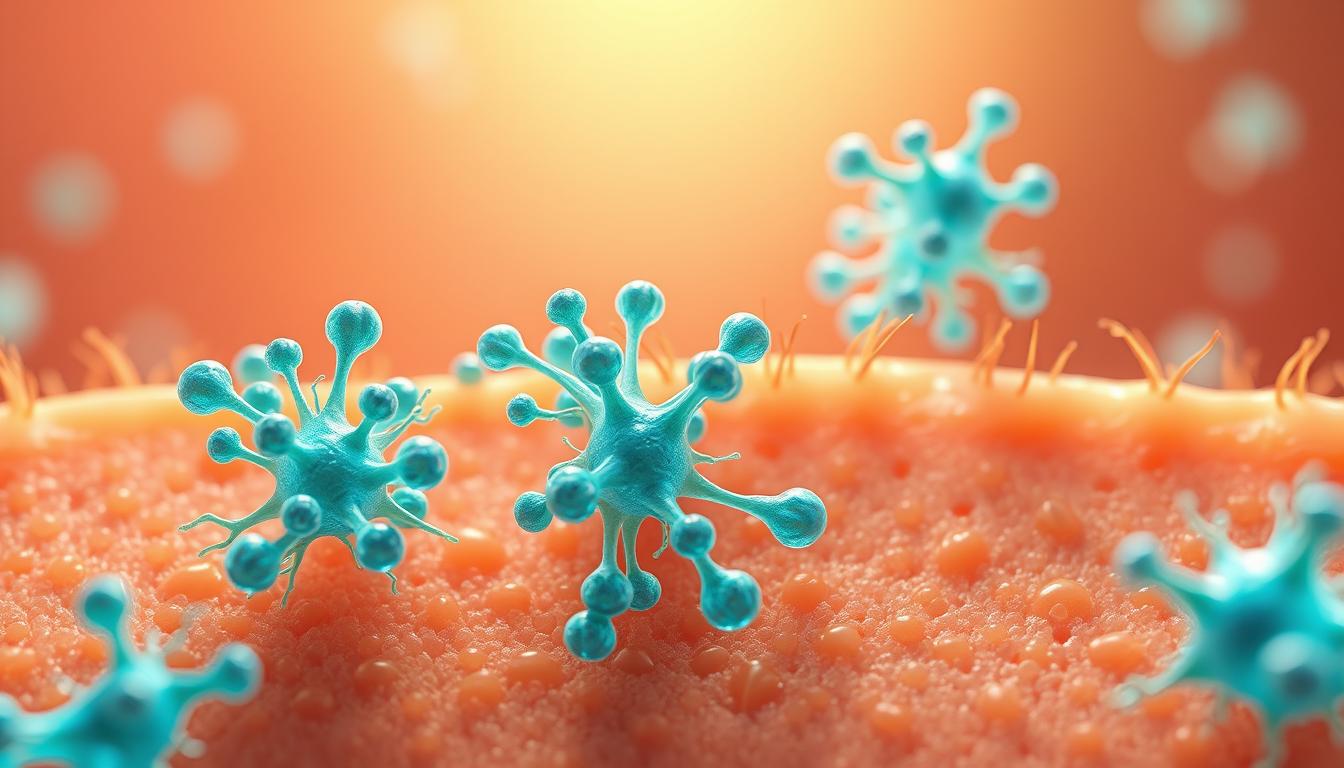
Skin bacteria act as a first line of defense against pathogens, preventing the growth of harmful germs and helping maintain the skin's environmental balance.
Key Takeaways
- Skin bacteria play an important role in protecting the body.
- They act as a first line of defense against germs and viruses.
- They help maintain the balance of the skin environment.
- They prevent the growth of harmful germs.
- They are an integral part of the immune system.
What is Skin Bacteria and How It Forms
The skin microbiome is a collection of microbes that live on the skin and form part of our biological system. These microbes, including bacteria, play an important role in protecting our skin and promoting its health.
Definition of the Skin Microbiome
The skin microbiome includes a diverse group of bacteria that live on the surface of the skin. These bacteria are not only harmless but also play a vital role in protecting the skin from harmful microbes.
How Bacteria Colonize Human Skin
Bacteria colonize human skin through a natural process that begins at birth. Environmental and genetic factors influence the types of bacteria that colonize the skin.
Factors Affecting Skin Bacteria Formation
The formation of skin bacteria is influenced by several factors, including genetic and environmental factors and lifestyle. These factors can affect the balance of the skin microbiome.
| Influencing Factors | Effect on Skin Bacteria |
| Genetic Factors | Determine the types of bacteria that colonize the skin |
| Environmental Factors | Affect the balance of the skin microbiome |
| Lifestyle | Can affect skin health and bacterial balance |
Beneficial Bacteria on the Skin Surface
Beneficial bacteria are an essential part of the skin microbiome and contribute to protecting the skin from harmful factors. Several types exist, each playing a specific role in maintaining skin health.
Staphylococcus Positive Bacteria
Staphylococcus positive bacteria are common on the skin. They play an important role in preventing harmful bacteria from colonizing the skin by competing for resources.
Bacillus Bacteria
Bacillus bacteria are also present on the skin and help maintain the balance of the skin microbiome. They assist in producing antimicrobial substances, enhancing the skin’s natural defenses.
Other Commensal Bacteria
Other commensal bacteria live on the skin, such as lactic acid bacteria. These bacteria help maintain skin pH, protecting it from infections.
Distribution of Bacteria Across Body Areas
The distribution of bacteria varies across different areas of the body. For example, moist areas like armpits and groin host specific types of bacteria more than dry areas.
Human Skin Bacteria: First Line of Defense Against Germs and Viruses
Skin bacteria are the first line of defense against harmful microbes. They play a critical role in protecting the skin from infection and supporting local immunity.
How Skin Bacteria Work as a Protective Barrier
Mechanism of Skin Bacteria as a Protective Barrier
Beneficial skin bacteria act as a protective barrier through several mechanisms. First, they compete with harmful microbes for resources and space on the skin surface, preventing their colonization. Second, skin bacteria produce antimicrobial substances that help kill or inhibit harmful microbes.
Role in Preventing Pathogen Colonization
Beneficial skin bacteria prevent pathogen colonization in multiple ways, including producing antimicrobial compounds and modifying the skin environment to make it unsuitable for harmful microbes.
Interaction Between Skin Bacteria and the Immune System
The interaction between skin bacteria and the immune system enhances overall immunity. Skin bacteria help activate immune cells and stimulate them to respond to potential threats, improving the body’s ability to fight infections effectively.
Role of the Skin Microbiome in Protecting the Body from Infection
The skin microbiome contributes to body protection from infections in multiple ways. It plays a vital role in boosting immunity and defending against harmful microbes.
Regulation of Local Immune Response
The skin microbiome regulates the local immune response, helping maintain immune system balance. This balance prevents overactive or insufficient immune reactions, protecting the body from potential damage.
Production of Antimicrobial Substances
Some skin bacteria produce antimicrobial substances, such as antimicrobial peptides. These compounds help kill or inhibit harmful microbes, enhancing skin protection.
Competition for Resources with Pathogens
A healthy skin microbiome competes with pathogenic microbes for nutrients and space on the skin surface. This competition reduces opportunities for harmful microbes to colonize, protecting the body from infection.
Researchers have noted that "a balanced skin microbiome plays a crucial role in protecting the body from infections and various skin disorders."
How Skin Bacteria Boost Immunity
Skin bacteria enhance body immunity through multiple mechanisms. They play a critical role in protecting the skin from infection and stimulating immune responses.
Stimulating Immune Cell Production
Skin bacteria stimulate the production of immune cells such as macrophages and T cells, which are essential for recognizing and eliminating pathogens.
Training the Immune System to Recognize Threats
Skin bacteria train the immune system to distinguish between beneficial and harmful microbes, enhancing effective immune responses.
Immune Role of Antimicrobial Peptides in Skin
Skin bacteria produce antimicrobial peptides that play a key role in killing pathogens and maintaining the balance of the skin microbiome.
"Skin bacteria are not just commensals; they are an essential part of the body’s defenses against infection."
Defense Mechanisms of Skin Bacteria Against Viruses
Recent research shows that skin bacteria play an important role in defending against viral infections. They not only protect the skin from infection but also boost systemic immune responses.
Production of Antiviral Substances
Skin bacteria produce antiviral substances that prevent virus replication on the skin. These include antimicrobial peptides and interferons, which inhibit viral activity.
Enhancing Antiviral Immune Responses
Skin bacteria enhance the body’s antiviral immune responses by interacting with immune cells and activating both innate and adaptive immunity, improving the body’s ability to combat viral infections.
Examples of Protection Against Common Viruses
There are many examples of how skin bacteria protect against common viruses. Some strains have been shown to protect against cold and influenza viruses.
| Virus | Protection Mechanism | Role of Skin Bacteria |
| Common Cold Virus | Production of antiviral substances | Inhibits viral replication |
| Influenza Virus | Enhancing immune response | Activates immune cells |
In conclusion, skin bacteria play a crucial role in protecting the body from viral infections through multiple mechanisms. Understanding these mechanisms can help develop new prevention and treatment strategies.
Skin Microbiome and Prevention of Seasonal Viral Infections
During cold and flu seasons, the skin microbiome becomes more active in resisting infections. This is due to its ability to adapt to seasonal changes and strengthen the skin’s defenses against viruses.
Role of Skin Bacteria in Resisting Cold and Flu Viruses
Skin bacteria play a crucial role in resisting cold and flu viruses by producing antiviral substances and enhancing immune responses. Some beneficial bacteria produce compounds that prevent viral attachment to skin cells, reducing infection risk.
Seasonal Effects on Skin Microbiome Activity
Seasonal changes influence skin microbiome activity. During winter, the microbiome may become more active in resisting viral infections, while in summer, its composition adapts to resist microbes associated with heat and humidity.
Strategies to Enhance Skin Immunity During Epidemic Seasons
To boost skin immunity during epidemic seasons, strategies include maintaining skin hygiene, using appropriate moisturizers, consuming nutrient-rich foods that support microbiome health, and applying topical probiotics to support bacterial balance.
Importance of Bacterial Balance for Skin Health
Maintaining bacterial balance on the skin is essential for overall skin health. The skin is the first line of defense against pathogens, and bacterial balance plays a crucial role in this defense.
Concept of Bacterial Symbiosis
Bacterial symbiosis refers to the balanced relationship between beneficial bacteria and the skin. This relationship promotes skin health by preventing harmful bacteria growth and strengthening local immunity.
Signs of Bacterial Imbalance
Bacterial imbalance can lead to various skin problems. Some signs include:
- Acne breakouts
- Persistent skin irritation
- Dry skin
- Increased sensitivity
How to Restore Natural Bacterial Balance
To restore bacterial balance, the following guidelines can be followed:
| Strategy | Description |
| Use appropriate skincare products | Choose products that do not disrupt bacterial balance |
| Avoid overusing antibiotics | Use antibiotics only when necessary |
| Eat a healthy diet | Consume foods rich in probiotics |
Additionally, topical probiotics can help support skin bacterial balance. Maintaining skin hydration and avoiding excessive cleaning also contributes to preserving bacterial balance.

In conclusion, maintaining the balance of skin bacteria is vital for skin health. By understanding the concept of bacterial symbiosis, recognizing signs of imbalance, and following strategies to restore balance, skin health can be preserved and protected from diseases.
Factors Contributing to the Killing of Beneficial Skin Bacteria
Factors that affect beneficial skin bacteria include a wide range of causes that can lead to microbiome imbalance. This imbalance can result in various skin problems.
Topical and Systemic Antibiotics
Excessive use of antibiotics can lead to the killing of beneficial skin bacteria, disrupting the natural balance of the skin microbiome. Antibiotics should be used cautiously and under medical supervision.
Harsh Cleansers and Chemicals
Harsh cleansers and chemicals present in some skincare products can negatively affect beneficial skin bacteria. It is recommended to use skincare products that are gentle on the skin.
Environmental Factors and Pollution
Exposure to environmental pollution and chemicals in air and water can affect the health of beneficial skin bacteria. It is important to take measures to reduce exposure to these factors.
In conclusion, it is essential to take measures to maintain the balance of beneficial skin bacteria. This may include using appropriate skincare products, avoiding excessive use of antibiotics, and minimizing exposure to environmental pollution.
The Effect of Soap and Sanitizers on Natural Skin Bacteria
Maintaining skin hygiene is essential, but we must be aware of the impact of soap and sanitizers on the skin microbiome. Natural skin bacteria play a vital role in protecting our skin from infections and enhancing immunity.
Difference Between Cleaning and Sanitizing
Cleaning removes dirt and germs from the skin surface using water and soap, while sanitizing kills germs using chemicals. Excessive use of sanitizers can kill beneficial skin bacteria.
Types of Cleansers and Their Effects
There are different types of cleansers, some gentle on the skin and do not significantly affect skin bacteria, while others can be harsh and disrupt the bacterial balance.
| Type of Cleanser | Effect on Skin Bacteria |
| Gentle Soap | Reduces harmful bacteria without harming beneficial bacteria |
| Alcohol-based Sanitizers | Kills most bacteria, both beneficial and harmful |
Recommendations for Safe Skin Cleaning
It is recommended to use gentle, fragrance-free soap when washing the skin and to avoid excessive use of sanitizers. It is also important to maintain skin hydration to prevent dryness and irritation.
Effect of Climate and Environment on Skin Bacteria
Skin bacteria are directly affected by climate and environmental pollution. This impact can have significant consequences on human health, as skin bacteria play an important role in protecting the body from infections and enhancing the immune system.
How Skin Bacteria Adapt to Different Climates
Skin bacteria can adapt to different climatic conditions. In hot and humid climates, some bacterial types may increase, while in cold and dry climates, they may decrease. This adaptation affects the balance of the skin microbiome.
Impact of Environmental Pollution on the Skin Microbiome
Environmental pollution can alter the composition of skin bacteria. Chemicals and pollutants can kill beneficial bacteria, leading to bacterial imbalance.
Differences in Skin Bacteria Among People in Different Regions
People in different regions have different compositions of skin bacteria due to variations in climate and exposure to pollutants. These differences can affect the overall health of individuals.
In conclusion, climate and environment have a significant impact on skin bacteria. Understanding these effects can help in developing strategies to maintain skin health and boost immunity.
The Relationship Between Skin Bacteria and Acne
Acne is a common skin problem closely related to interactions with skin bacteria. Understanding this relationship is essential for developing effective treatment strategies.
Role of Propionibacterium acnes in Acne Formation
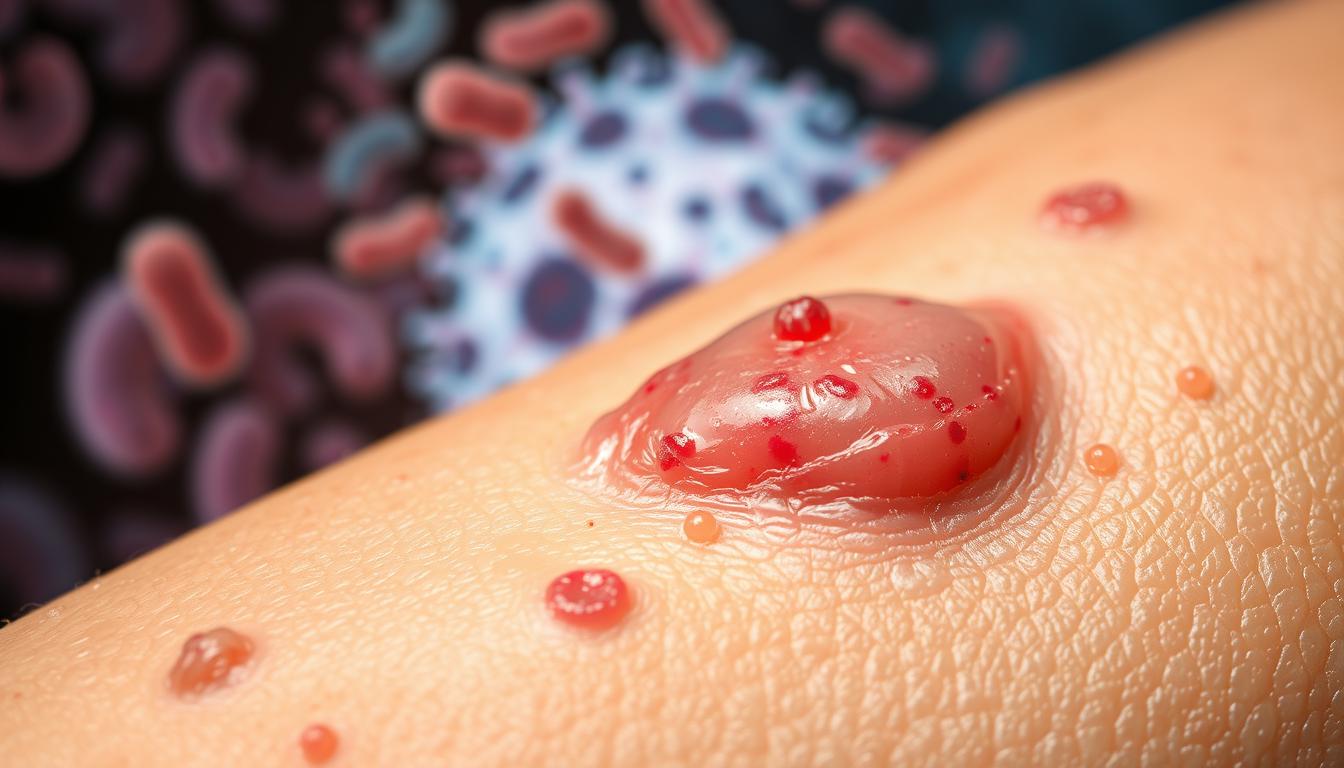
Propionibacterium acnes plays a major role in the development of acne. This bacteria does not cause infection directly but contributes to creating an environment suitable for acne formation through interaction with skin cells and local immunity.
ب
Bacterial Imbalance and Acne Exacerbation
An imbalance in skin bacteria can lead to the worsening of acne. When the skin microbiome is disrupted, the proportion of acne-causing bacteria may increase, leading to the appearance of acne.
Acne Treatment Strategies Through Microbiome Modulation
Acne can be treated through strategies that target modulation of the skin microbiome. These strategies include the use of probiotics and topical treatments aimed at restoring the natural balance of skin bacteria.
By understanding the relationship between skin bacteria and acne, more effective treatments can be developed that target the root cause of the problem rather than merely addressing the symptoms.
Differences Between Children's and Adults' Skin Bacteria and Changes With Age
The skin microbiome differs between children and adults and changes with age. These changes affect skin health and its defensive functions.
Development of the Skin Microbiome from Birth to Adolescence
From birth to adolescence, the skin microbiome undergoes significant changes. At birth, the skin is almost sterile, but it is quickly colonized by bacteria from the surrounding environment and the mother.
Characteristics of Children's Skin Bacteria
Children's skin bacteria are often more diverse and are influenced by breastfeeding and the surrounding environment. Children who are breastfed tend to have a more stable microbiome.
Changes in the Skin Microbiome With Aging
As we age, the skin microbiome becomes less diverse and may lose some beneficial bacteria. These changes can affect the skin barrier function and immunity.
Age-Appropriate Skincare Strategies
Skincare should adapt to age-related changes in the skin microbiome. Using age-appropriate and probiotic-enriched products can help maintain microbiome balance.
| Age Group | Skin Bacteria Characteristics | Skincare Strategies |
| Children | Bacterial diversity, influenced by breastfeeding | Gentle products, avoid harsh cleansers |
| Adolescents | Hormonal influence, increase in acne-causing bacteria | Use acne-fighting products, balance the microbiome |
| Adults | Less bacterial diversity, environmental factors influence | Use probiotic-enriched products, protect from pollution |
Skin Microbiome-Related Diseases and Their Treatments
Skin microbiome imbalance can lead to a wide range of skin diseases. This imbalance can occur due to changes in the balance of beneficial and harmful bacteria on the skin surface.
Eczema and Atopic Dermatitis
Eczema and atopic dermatitis are common skin conditions associated with skin microbiome imbalance. These conditions are often characterized by inflammation and redness.
Psoriasis and Immune-Mediated Skin Disorders
Psoriasis is a chronic skin condition characterized by thick, scaly layers on the skin. Evidence suggests that skin microbiome imbalance may play a role in the development of this condition.
Recurrent Skin Infections
An imbalance in skin bacteria can make an individual more susceptible to recurrent skin infections. Beneficial bacteria play a role in protecting the skin from harmful microbes.
Microbiome-Based Treatments
Several methods exist to treat diseases resulting from skin microbiome imbalance, including the use of probiotics and topical treatments aimed at restoring the natural bacterial balance.
Daily Tips for Maintaining Beneficial Skin Bacteria and Boosting Immunity
By following simple daily tips, we can promote the health of skin bacteria and strengthen our immunity. Maintaining the balance of skin bacteria is vital for protection against infections and overall health.
Microbiome-Friendly Skincare Routine
Using skincare products that do not kill beneficial bacteria is essential. Choose a gentle, moisturizing face wash suitable for your skin type.
Proper Nutrition to Support Skin Bacteria
Nutrition plays an important role in supporting the health of skin bacteria. Eating fiber-rich foods such as fruits and vegetables can promote the growth of beneficial bacteria.
Topical and Oral Probiotics
Using topical probiotics can help restore the balance of skin bacteria. Additionally, taking probiotics orally can enhance overall digestive and skin health.
Lifestyle Changes to Promote Skin Health
Small lifestyle changes can make a big difference. Reducing stress, getting enough sleep, and avoiding environmental pollutants can help maintain the balance of skin bacteria.
| Tip | Description | Benefit |
| Use a gentle face wash | Choose products free of harsh chemicals | Preserve beneficial skin bacteria |
| Eat fiber-rich foods | Fruits and vegetables | Promote growth of beneficial bacteria |
| Use topical probiotics | Apply probiotics directly to the skin | Restore skin bacteria balance |
Conclusion
Skin bacteria play a crucial role in protecting the body from germs and viruses. By understanding how these beneficial bacteria work, we can take steps to maintain the balance of the skin microbiome and enhance natural immunity.
Research shows that skin bacteria contribute to regulating immune responses, producing antimicrobial substances, and competing with pathogenic microbes. Maintaining this delicate balance through proper skincare practices and nutrition is essential.
Skin health can be enhanced through a regular skincare routine, avoiding harsh cleansers, and consuming probiotic-rich foods. This way, we can strengthen our natural defenses against infections and enjoy better skin health.
FAQ
What are skin bacteria and how do they form?
Skin bacteria are a collection of microorganisms that live on the skin surface and help protect it from germs and viruses. They form naturally from birth and are influenced by various factors.
What are the types of beneficial bacteria on the skin?
Beneficial skin bacteria include Gram-positive cocci, bacilli, and others. These bacteria play an important role in maintaining skin health.
How do skin bacteria enhance immunity?
Skin bacteria enhance immunity by stimulating immune cell production and training the immune system to recognize threats.
What is the role of the skin microbiome in protecting the body from infections?
The skin microbiome helps protect the body from infections by regulating local immune responses and producing antimicrobial substances.
How can skin bacteria balance be maintained?
Skin bacteria balance can be maintained through a proper skincare routine and by avoiding harsh cleansers and chemicals.
What factors contribute to killing beneficial skin bacteria?
Factors that contribute to killing beneficial skin bacteria include topical and systemic antibiotics, harsh cleansers, chemicals, and environmental factors.
How does nutrition affect human skin bacteria?
Nutrition affects human skin bacteria by providing essential nutrients for their growth and activity.
What is the immune role of antimicrobial peptides in the skin?
Antimicrobial peptides play an important role in protecting the skin from infections by killing pathogenic microbes.
How can skin bacteria be naturally strengthened?
Skin bacteria can be naturally strengthened through a balanced diet and the use of topical and oral probiotics.
What is the relationship between skin bacteria and acne?
Skin bacteria play a role in acne formation, especially Propionibacterium acnes.
How does the skin microbiome change with age?
The skin microbiome changes with age due to hormonal changes and environmental exposure.
What are the diseases caused by skin microbiome imbalance?
Diseases caused by skin microbiome imbalance include eczema, atopic dermatitis, and psoriasis.
How can skin health be enhanced through microbiome modulation?
Skin health can be enhanced by modulating the microbiome using probiotics and appropriate skincare.