Unlock the Power of Amino Acids: A Simple Guide to Their Health Benefits
Technology
Its components are the building blocks of the rabbit in the body, and they are part of its role in enjoying general health.
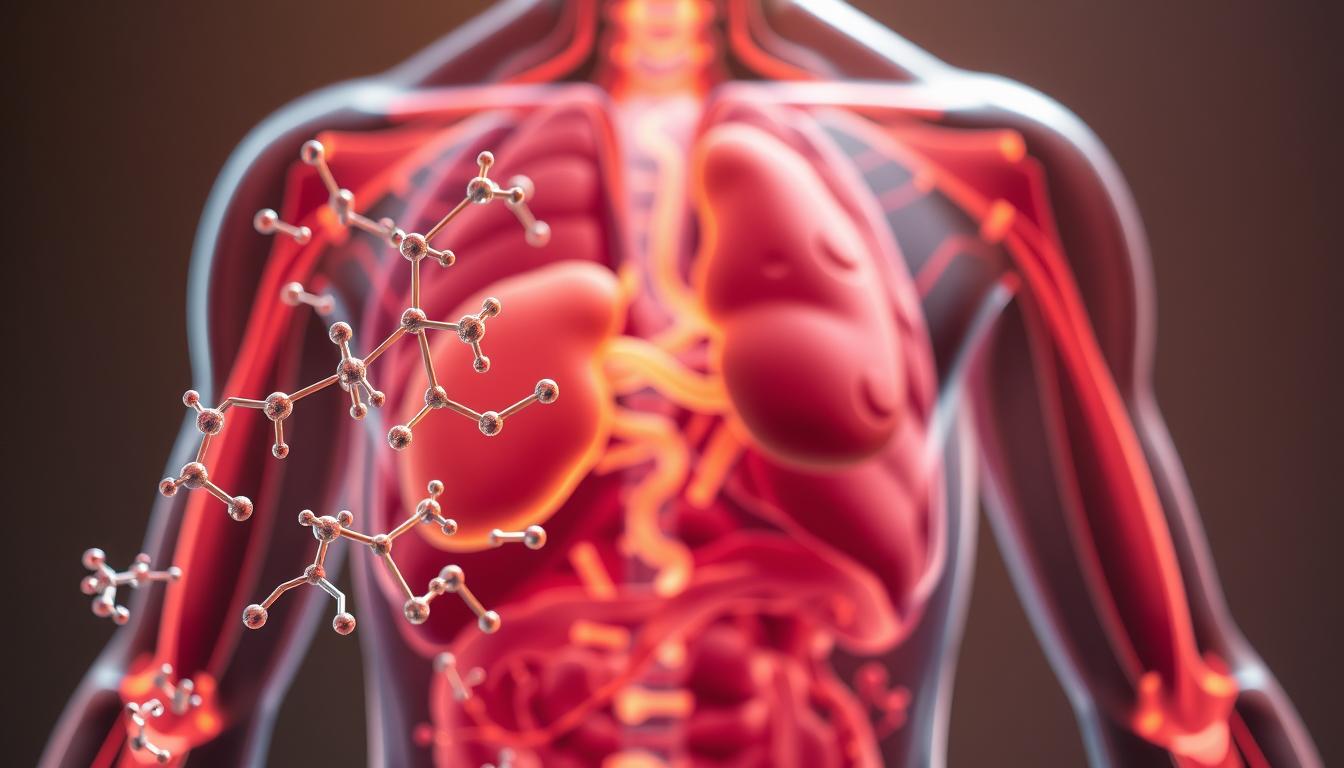
Amino acids play an important role in many vital processes, including muscle building and tissue repair.
Amino acids are essential for the body's vital processes and contribute to maintaining overall health.
Key Takeaways
- Amino acids are essential for building proteins in the body.
- They play a vital role in maintaining overall health.
- They contribute to muscle building and tissue regeneration.
- Essential for various biological processes in the body.
- Help maintain overall health.
What Are Amino Acids and Their Importance to the Body
Amino acids are biochemical compounds that form the basis for the creation of proteins, enzymes, and hormones. These compounds play a crucial role in many biological processes within the human body.
Definition of Amino Acids and Their Chemical Structure
Amino acids are organic compounds containing an amino group and a carboxyl group. They are composed of carbon, hydrogen, oxygen, nitrogen, and sometimes sulfur. The chemical structure of amino acids determines their functions and characteristics.
The chemical structure of amino acids may vary, but they all share essential characteristics. This diversity in structure allows amino acids to perform multiple functions in the body.
| Amino Acid | Chemical Formula | Function |
| Alanine | C3H7NO2 | Energy source for muscles |
| Glycine | C2H5NO2 | Role in collagen synthesis |
| Glutamine | C5H10N2O3 | Supports gut and immune health |
Their Role as Building Blocks of Proteins
Amino acids are the building blocks of proteins, linking together in chains to form proteins. These proteins play a vital role in building and regenerating tissue in the body.
Biological Functions of Amino Acids in the Body
Amino acids play a crucial role in many biological processes, including enzyme and hormone production, and supporting immune system health. They also play a role in nerve signaling and neurotransmitter synthesis.
Thus, amino acids are not only building blocks for proteins but also essential components for overall body health and function.
The Importance of Amino Acids to the Body: A Simple Guide to Their Essential Health Benefits
Amino acids play a critical role in supporting the body's vital functions, making them essential for general health. These organic compounds are not only protein building blocks but also participate in many important physiological processes.
How Amino Acids Support the Body’s Vital Functions
Amino acids support vital functions through multiple mechanisms. They are used in building proteins necessary for tissue growth and repair. They also participate in enzyme and hormone production, which regulate bodily processes. For example, amino acids like glutamine and arginine play a role in enhancing immune function.
Why the Body Cannot Do Without Amino Acids
The body cannot do without amino acids because they are required for several vital functions. Some amino acids cannot be synthesized by the body and are known as essential amino acids. Without sufficient intake from food, the body may suffer deficiencies leading to health problems.
The Role of Amino Acids in Metabolism
Amino acids play an important role in metabolism. They participate in the formation of proteins and enzymes that regulate metabolic processes. For example, methionine plays a role in fat metabolism regulation.
| Amino Acid | Role in the Body |
| Glutamine | Enhances immunity and supports gut health |
| Arginine | Supports blood flow and vascular function |
| Methionine | Regulates fat metabolism |
As noted
by the renowned physician, Dr. Mohammed Al-Najjar: “Amino acids are the foundation of life, and without them, the body would not be able to function properly.”
This highlights the importance of getting enough amino acids through the diet.
The Difference Between Essential and Non-Essential Amino Acids
Understanding the difference between essential and non-essential amino acids helps improve overall health. Amino acids are the building blocks of proteins and play a critical role in many biological processes within the human body.
Essential Amino Acids That the Body Cannot Produce
Essential amino acids are those that the human body cannot synthesize and must be obtained through the diet. These amino acids play vital roles in protein synthesis and other bodily functions.
List of Essential Amino Acids and Their Functions
There are nine essential amino acids: histidine, isoleucine, leucine, lysine, methionine, phenylalanine, threonine, tryptophan, and valine. Each has specific functions, such as muscle building and hormone and enzyme production.
Sources of Essential Amino Acids
Essential amino acids can be obtained from foods such as meat, fish, eggs, dairy products, and legumes. A balanced diet ensures adequate intake of these amino acids.
Non-Essential Amino Acids Produced by the Body
Non-essential amino acids are those that the body can synthesize even without dietary intake. These include alanine, arginine, asparagine, aspartic acid, and others.
Conditionally Essential Amino Acids and Their Importance
Conditionally essential amino acids are those that the body can produce under normal circumstances, but extra amounts may be required during stress, illness, or growth. Examples include arginine and glutamine.
The Role of Amino Acids in Muscle Building
Amino acids play a crucial role in building and repairing muscles. Without these essential compounds, the body cannot build or repair muscle tissue effectively.
How Amino Acids Contribute to Muscle Growth
Amino acids are the building blocks of proteins, which are vital for muscle growth. When amino acids are consumed, they are used to repair and regenerate muscle tissue. Sufficient intake of essential amino acids supports healthy muscle development.
Importance of Amino Acids for Athletes and Bodybuilders
For athletes and bodybuilders, amino acids are particularly important. They help enhance strength, endurance, and recovery after intense training. Taking amino acids before or after exercise can positively impact athletic performance.
Timing Amino Acid Intake for Maximum Muscle Benefits
Timing amino acid intake plays an important role in maximizing muscle benefits. It is recommended to consume amino acids before and after workouts for optimal results. The following table explains timing and benefits:
| Timing | Benefit |
| Before Workout | Provides energy and enhances performance |
| After Workout | Enhances recovery and muscle growth |
| Before Sleep | Supports recovery during sleep |
In conclusion, the role of amino acids in building and regenerating muscles is crucial for athletes and bodybuilders. Understanding how amino acids contribute to muscle growth and the importance of timing intake can help improve performance and enhance overall health.
The Effect of Amino Acids on Daily Energy Levels
Understanding the effect of amino acids on energy levels can help improve daily performance. Amino acids are not only protein building blocks, but they also play essential roles in physiological processes that affect energy levels.
The Role of Amino Acids in Energy Production
Amino acids contribute to energy production through various metabolic processes. Some amino acids, such as carnitine, directly help transport fatty acids into mitochondria, where they are burned for energy.
How Amino Acids Help Reduce Fatigue and Exhaustion
Fatigue and exhaustion may result from deficiency or imbalance in essential amino acids. Some amino acids, such as tryptophan, play a role in producing neurotransmitters that affect energy levels and mood.
Important Amino Acids for Improving Energy Levels
Several amino acids help improve energy levels, including essential amino acids such as lysine and threonine, and non-essential amino acids like glutamine.
In conclusion, amino acids play a major role in determining daily energy levels. Understanding how they affect energy production and help combat fatigue can improve daily performance and energy.
The Role of Amino Acids in Boosting the Immune System
Amino acids play a critical role in boosting the immune system. The immune system is the body's first line of defense against infections and diseases, and amino acids support its functions.
How Amino Acids Support Immune Functions
Amino acids are essential for producing antibodies and immune cells that fight infections. Without adequate amino acids, the immune system may weaken, making the body more susceptible to illness.
The role of amino acids in producing immune cells: amino acids help produce lymphocytes, which are key immune cells.
Important Amino Acids for Immunity
Several amino acids play key roles in supporting immunity.
Glutamine and Its Immune-Boosting Role
Glutamine serves as a fuel source for immune cells and helps maintain gut integrity, which is an important component of the immune system.
Arginine and Lysine and Their Effects on Immune Cells
Arginine is important for nitric oxide production, which helps kill bacteria and viruses, while lysine supports antibody production.
How to Boost Immunity Through an Amino-Acid-Rich Diet
To boost immunity, it's important to eat a diet rich in essential amino acids. These can be obtained from various food sources.
| Food Source | Amino Acids Present |
| Red Meat | Glutamine, Arginine |
| Fish | Lysine, Methionine |
| Dairy Products | Lysine, Phenylalanine |
The Relationship Between Amino Acids and Hormone Production
Amino acids play a critical role in hormone production. Hormones are chemical messengers regulating many bodily functions, including growth, metabolism, and reproduction. Without amino acids, the body cannot synthesize hormones properly.
The Role of Amino Acids in Hormone Synthesis
Amino acids are the building blocks of proteins, and many hormones such as insulin and adrenaline are made from amino acids. Without adequate amino acids, hormone production may be negatively affected.
The table below shows some hormones synthesized from amino acids:
| Hormone | Function | Amino Acids Used |
| Insulin | Regulates blood sugar levels | Alanine, Glutamine |
The Role of Amino Acids in Cell Regeneration and Accelerating Healing
Amino acids are essential for enhancing the body's ability to heal and regenerate damaged tissues. These compounds play a crucial role in many biological processes that affect an individual's health and well-being.
How Amino Acids Contribute to Tissue Repair Processes
Amino acids contribute to tissue repair by providing the building blocks needed to construct proteins essential for repairing damaged cells. Glutamine and arginine are examples of amino acids that play a vital role in this process.
Amino acids also help reduce inflammation and promote wound healing, which contributes to speeding up the healing process.
The Importance of Amino Acids During Recovery After Illness or Injury
During recovery periods after illness or injury, amino acids become even more important in supporting healing and tissue regeneration. Proteins made from amino acids play a critical role in rebuilding muscles and damaged tissues.
Experts emphasize the necessity of consuming adequate amounts of essential amino acids during these periods to ensure fast and complete recovery.
Amino Acids and Their Role in Wound Healing
Amino acids such as arginine and glutamine play an important role in promoting wound healing.
“Amino acids play a crucial role in supporting healing processes and tissue regeneration.”
These amino acids help increase blood flow to the injured area and reduce infection, thereby enhancing the wound healing process.
Amino Acids and the Health of Hair, Skin, and Nails
Amino acids play a vital role in maintaining the health of hair, skin, and nails. These essential compounds not only serve as building blocks for proteins but also contribute significantly to maintaining the beauty and appearance of our external features.
The Role of Amino Acids in Forming Keratin and Collagen
Keratin and collagen are essential proteins that contribute to the health of hair, skin, and nails. Amino acids such as cysteine, glycine, and proline play important roles in forming these proteins. Cysteine, for example, contains sulfur that helps strengthen hair and nails.
Keratin formation: Keratin is the main protein in hair and nails. Amino acids like cysteine play a crucial role in forming keratin, contributing to the strength and resilience of hair and nails.
Collagen formation: Collagen is the most abundant protein in the body and is responsible for skin elasticity. Amino acids such as glycine, proline, and hydroxyproline play important roles in collagen production, helping maintain youthful and radiant skin.
How Amino Acids Improve the Appearance of Skin and Hair
Amino acids not only support the health of hair, skin, and nails but also improve their appearance. By supporting the formation of keratin and collagen, amino acids help enhance skin elasticity, hair shine, and nail strength.
Improving skin appearance: Amino acids such as glycine and proline help improve skin elasticity and promote cell regeneration, leading to a more youthful complexion.
Essential Amino Acids for Hair and Nail Health
Many amino acids play crucial roles in maintaining hair and nail health. Some of these include:
- Cysteine: Helps strengthen hair and nails.
- Methionine: Plays a role in keratin production.
- Lysine: Helps with calcium absorption, enhancing nail health.
Below is a table illustrating important amino acids for the health of hair, skin, and nails:
| Amino Acid | Function |
| Cysteine | Strengthens hair and nails |
| Glycine | Collagen formation |
| Proline | Collagen formation |
Signs of Amino Acid Deficiency in the Body
Amino acids play vital roles in many bodily functions, and their deficiency can cause various health problems. In this section, we will discuss the signs and symptoms that may indicate amino acid deficiency.
Physical Symptoms of Amino Acid Deficiency
Amino acid deficiency can lead to several physical symptoms, including:
- Constant fatigue and exhaustion
- Unexplained weight loss
- Muscle weakness
- Skin, hair, and nail problems
These symptoms may result from a deficiency in one or more essential amino acids that the body needs.
Psychological and Mental Symptoms of Amino Acid Deficiency
Amino acid deficiency not only affects physical health but may also affect mental and psychological well-being. Some psychological symptoms include:
- Depression
- Anxiety
- Mood swings
- Difficulty concentrating
Amino acids play a role in producing neurotransmitters that regulate mood and behavior.
Groups Most at Risk of Amino Acid Deficiency
Certain groups are more prone to amino acid deficiency, including:
| Group | Reasons |
| Vegetarians | Lack of essential amino acid sources in the diet |
| People with eating disorders | Inadequate nutrition |
| Athletes | Increased amino acid needs due to intense physical activity |
These groups should be aware of their amino acid needs and meet them through a balanced diet or supplements when necessary.
Best Dietary Sources Rich in Essential Amino Acids
Essential amino acids are the building blocks of proteins and many other vital compounds. To maintain good health, it is crucial to obtain these amino acids through the diet.
Animal Sources of Amino Acids
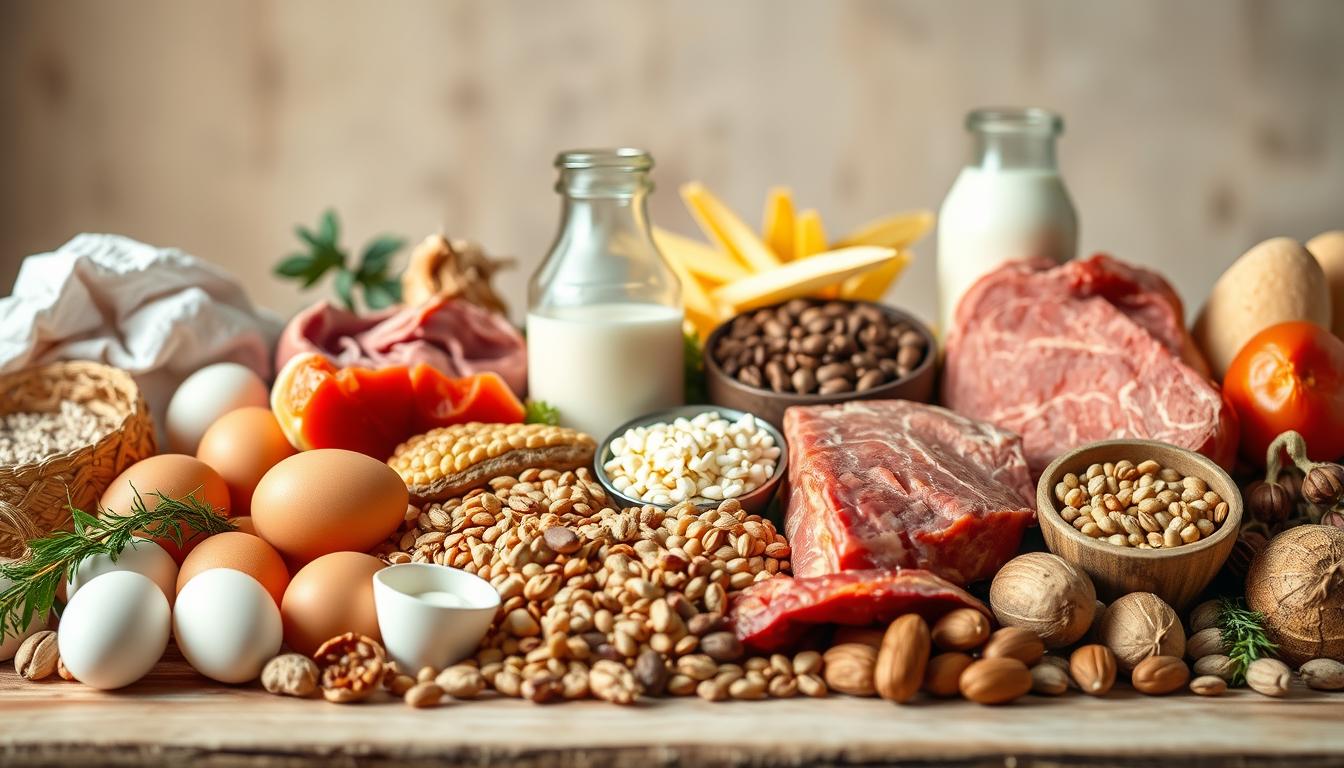
Animal sources are among the richest providers of essential amino acids. These sources include:
- Red meat
- Poultry
- Fish
- Eggs
- Dairy products
These foods provide a complete profile of essential amino acids required by the body.
Plant Sources of Amino Acids
Although plant sources may not provide all essential amino acids in a single meal, they are still valuable sources. Plant sources include:
- Legumes (such as beans and lentils)
- Whole grains
- Nuts and seeds
- Soy and its products
Vegetarians can obtain all essential amino acids by consuming a variety of these foods.
How to Balance Amino Acid Intake from Food
To achieve balance, it is recommended to diversify food sources. In a vegetarian diet, this can be achieved by combining legumes and whole grains.
| Food Source | Essential Amino Acids |
| Red Meat | Lysine, Leucine, Isoleucine |
| Legumes | Lysine, Arginine |
| Whole Grains | Methionine, Tryptophan |
By understanding different sources of essential amino acids and diversifying the diet, individuals can ensure they obtain all amino acids the body needs.
Benefits of Amino Acid Supplements and When to Use Them
Amino acid supplements provide multiple benefits for the body, including supporting muscle building and enhancing vital functions. These supplements are used to improve athletic performance and overall health. In this section, we will discuss the types of available amino acid supplements, safe usage guidelines, and situations that may require their use.
Types of Available Amino Acid Supplements
Amino acid supplements come in several forms, including:
- BCAA supplements (Branched-Chain Amino Acids)
- EAA supplements (Essential Amino Acids)
- Complete amino acid supplements
Each type of supplement has its own benefits and can meet specific needs.
Guidelines for Safe Use of Amino Acid Supplements
To ensure safe use of amino acid supplements, it is recommended to follow these guidelines:
- Consult a doctor before starting any dietary supplement.
- Follow the recommended dosages.
- Monitor the supplement’s effect on your body.
Cases That May Require Amino Acid Supplements
Amino acid supplements may be beneficial in the following cases:
- Athletes seeking performance improvement.
- Individuals with amino acid deficiencies.
- Those following a vegetarian diet.
As stated:
Amino acids are the building blocks of proteins, and they are essential for many vital processes in the body.
This highlights the importance of amino acid supplements in supporting overall health.
Do Athletes Need More Amino Acids?
Do athletes need larger amounts of amino acids to enhance their performance? This is a common question among athletes seeking improvement in their physical performance. Amino acids play a crucial role in muscle building and tissue repair, making them essential for athletes.
Athletes’ Special Amino Acid Needs
Athletes have special amino acid requirements due to their high energy and protein demands for muscle building and repair. Essential amino acids such as lysine, valine, and leucine are particularly important because they cannot be synthesized by the body and are needed by athletes to improve performance.
Strategies for Meeting Athletes’ Amino Acid Needs
Athletes can meet their amino acid needs by following specific dietary strategies. Consuming protein-rich foods such as meat, eggs, and fish can provide sufficient amino acids. Additionally, amino acid supplements can be used to meet daily requirements.
Timing Amino Acid Intake for Athletes
Timing amino acid intake plays an important role in maximizing benefits for athletes. It is recommended to consume amino acids before and after exercise to enhance performance and support recovery. This helps in building muscles and repairing damaged tissues.
The Role of Amino Acids in Improving Sleep and Reducing Stress
Amino acids play a crucial role in improving sleep quality and reducing stress levels, as they contribute to the production of neurotransmitters that regulate these vital processes.
There are many amino acids that help improve sleep and reduce stress. Among these are:
Amino Acids That Promote Relaxation and Sleep
Amino acids such as tryptophan and glycine are important nutrients that support relaxation and improve sleep quality.
- Tryptophan: It is converted into serotonin and melatonin, hormones that regulate sleep.
- Glycine: Acts as an inhibitory neurotransmitter, helping relaxation and reducing nervous system activity.
How to Use Amino Acids to Reduce Stress and Anxiety
Amino acids can be used to improve mental health and reduce stress by including them in the daily diet.
Consuming essential amino acids can help reduce anxiety and stress levels, promoting a sense of calm and relaxation.
Important amino acids for stress reduction include:
- Tyrosine: Helps produce neurotransmitters such as dopamine and epinephrine.
- Glutamine: Plays a role in improving brain function and reducing fatigue.
The Relationship Between Amino Acids and Stress Hormones
Amino acids affect stress hormones such as cortisol and adrenaline.
| Hormone | Role of Amino Acids |
| Cortisol | Regulates cortisol levels by supporting the adrenal gland. |
| Adrenaline | Contributes to the production of adrenaline through tyrosine. |
In this way, amino acids play a vital role in maintaining the balance of stress hormones, helping reduce anxiety and stress levels.
Conclusion
Amino acids are essential elements in building the body and have a clear impact on many vital processes. The importance of amino acids for the body lies in supporting essential functions such as protein building, hormone production, and neurotransmitter synthesis.
Why can't the body do without amino acids? Because they are necessary for muscle growth and tissue repair, improving energy levels, and strengthening the immune system. Without sufficient essential amino acids, the body may face multiple health problems.
To ensure the body receives enough amino acids, it is recommended to follow a balanced diet that includes various sources of plant and animal proteins. In some cases, dietary supplements may be necessary to compensate for deficiencies.
In conclusion, highlighting the importance of amino acids emphasizes their vital role in maintaining general health and improving quality of life. By understanding the body’s needs for these essential compounds, individuals can take effective steps toward improving their overall health.
FAQ
What are amino acids?
Amino acids are organic compounds containing an amino group and a carboxyl group, and they are the basic building blocks of proteins in the body.
What is the role of amino acids in muscle building?
Amino acids play an important role in muscle building, as they provide the raw materials needed for muscle growth and repair.
How can essential amino acids be obtained?
Essential amino acids can be obtained by consuming protein-rich foods such as meat, poultry, fish, eggs, and dairy products.
What are the signs of amino acid deficiency in the body?
Signs of amino acid deficiency include fatigue, exhaustion, weight loss, hair loss, and weakened immunity.
Can amino acid supplements improve athletic performance?
Yes, amino acid supplements can improve athletic performance, as they help build muscles and enhance recovery.
What is the role of amino acids in boosting the immune system?
Amino acids play an important role in boosting the immune system by helping produce antibodies and activating immune cells.
How can amino acids improve brain health?
Amino acids can improve brain health by producing neurotransmitters that regulate mood and cognitive functions.
Which amino acids are important for hair, skin, and nails?
Important amino acids for hair, skin, and nails include sulfur-containing amino acids such as methionine and cysteine.
How do amino acids help improve sleep and reduce stress?
Amino acids such as tryptophan help improve sleep and reduce stress by producing serotonin and melatonin.
What are the dietary sources rich in essential amino acids?
Dietary sources rich in essential amino acids include meat, poultry, fish, eggs, and dairy products.