Early Symptoms of Type 2 Diabetes in 2026 (Complete Medical Guide to Detect Hidden Signs Early and Prevent Serious Complications)
Mental Health
Learn the early symptoms of Type 2 Diabetes in detail and how to detect the condition in its early stages to prevent complications with this evidence-based medical guide.
Early Symptoms of Type 2 Diabetes (Complete Guide 2026 for Early Detection and Prevention)
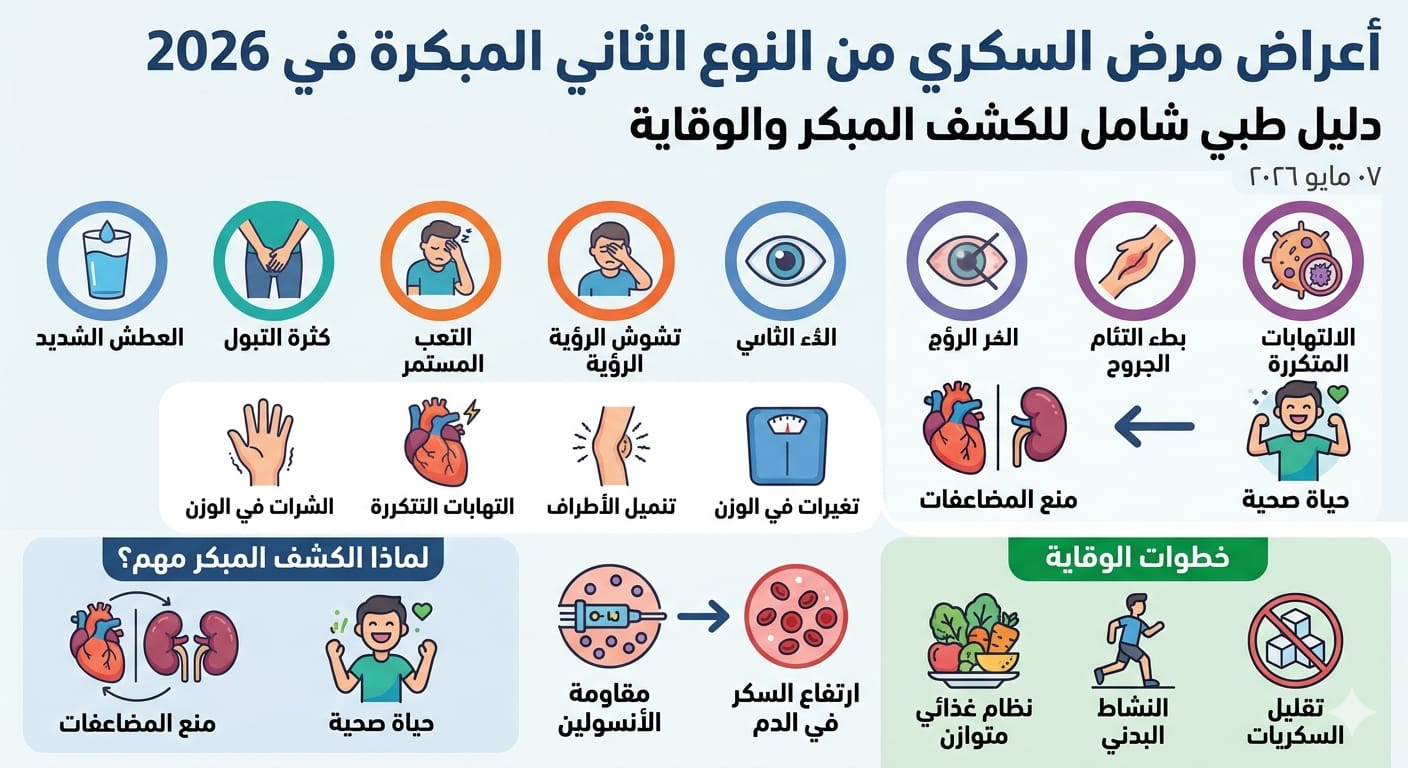
Early symptoms of Type 2 Diabetes develop gradually and include excessive thirst, frequent urination, persistent fatigue, blurred vision, and slow wound healing. Early detection helps prevent complications through lifestyle changes and proper medical care.
Introduction
Type 2 diabetes is not a sudden disease… it develops silently over years. The problem is that most people don’t notice the early symptoms because they are mild or easy to ignore. But ignoring these signs can lead to serious complications such as heart disease, nerve damage, and kidney problems.
In reality, millions of people live with undiagnosed diabetes — making early awareness critical. In this guide, you will learn:
- The early warning signs most people ignore
- The real causes behind these symptoms
- When you should be concerned
- How to prevent disease progression
This is not just an article… it’s a roadmap to understanding your body before it’s too late.
PART 1 — Understanding the Disease + Early Symptoms
What Is Type 2 Diabetes and How Does It Start?
Type 2 Diabetes is a chronic condition that occurs when the body cannot use insulin effectively, a state known as insulin resistance. At first, the body compensates by producing more insulin, but over time this system fails, leading to high blood sugar levels.
The issue is that this increase doesn’t happen suddenly — it develops gradually over years, making early detection difficult. That’s why many cases are diagnosed late, often after complications appear. Understanding how the disease begins is the first step toward prevention.
How It Develops:
- Insulin resistance
- Gradual blood sugar increase
- Pancreatic stress
- Symptom appearance
Why Are Early Symptoms So Important?
Early symptoms of Type 2 diabetes may seem minor, but they are powerful warning signals from the body. Detecting the condition early allows you to stop or even reverse its progression through simple lifestyle changes. The earlier the diagnosis, the lower the risk of serious complications like heart disease or kidney failure. Treatment is also easier and more affordable in early stages. Ignoring symptoms allows the disease to progress silently.
Importance of Early Detection:
- Prevent complications
- Easier treatment
- Lower healthcare costs
- Better quality of life
Most Common Early Symptoms
Early symptoms are often mild but persistent. They include increased thirst, frequent urination, unexplained fatigue, and increased hunger. You may also notice dry mouth or unintentional weight loss. These signs indicate that the body is trying to eliminate excess sugar from the bloodstream. Paying attention to these signals can save your health.
Key Symptoms:
- Constant thirst
- Frequent urination
- Fatigue
- Hunger
Excessive Thirst and Frequent Urination (First Signal)
When blood sugar rises, the body tries to remove excess glucose through urine, leading to fluid loss. This causes persistent thirst, even after drinking water. It also leads to frequent urination, especially at night. This is one of the clearest early symptoms, yet often ignored. If you notice this change, take it seriously.
Why It Happens:
- High blood sugar
- Fluid loss
- Kidney activity
- Imbalance
PART 2 — Less Obvious Symptoms + Deep Analysis
Blurred Vision (A Critical Early Sign)
High blood sugar can affect the eye lens, causing blurred vision. You may notice difficulty focusing or temporary visual distortion. This symptom may come and go, making it misleading. Over time, it can lead to more serious eye problems. Any change in vision should be evaluated.
Why It Happens:
- Fluid changes in the eye
- Lens distortion
- Focus issues
- Early damage
Slow Wound Healing
Another important sign is that wounds take longer to heal. High blood sugar affects circulation and weakens the immune system. This reduces the body’s ability to repair tissue. Even small cuts may take longer than usual. This is a clear sign of internal imbalance.
Causes:
- Weak immunity
- Poor circulation
- High glucose
- Slow regeneration
Frequent Infections
People with diabetes are more prone to infections, especially skin and fungal infections. High blood sugar creates an environment for bacteria and fungi to grow. You may notice repeated infections in the skin, mouth, or urinary tract. This symptom is often overlooked. But it’s a strong indicator of a deeper issue.
Types of Infections:
- Skin infections
- Fungal infections
- Urinary infections
- Gum infections
Tingling or Numbness (Early Nerve Damage)
Prolonged high blood sugar can affect nerves, causing tingling or numbness in hands and feet. This symptom may be mild at first but worsens over time. It is one of the earliest signs of diabetic nerve damage. Early intervention can prevent progression. It should never be ignored.
Signs:
- Tingling
- Numbness
- Loss of sensation
- Weak nerves
Unexplained Weight Changes
Some people experience sudden weight changes. Weight loss may occur despite eating, due to poor glucose usage. Weight gain may occur due to insulin resistance. This change should be medically evaluated. It may indicate early diabetes.
Explanation:
- Metabolic dysfunction
- Insulin resistance
- Energy imbalance
- Storage issues
PART 3 — When to Act + Prevention
When Should You See a Doctor?
If you notice multiple symptoms, consult a doctor immediately. Especially if symptoms persist or worsen. Early testing is simple and can detect the disease quickly. Don’t wait for complications to appear. Early action makes all the difference.
Warning Signs:
- Multiple symptoms
- Long duration
- Worsening condition
- Family history
How to Prevent Type 2 Diabetes
Prevention is possible — and in some cases, the condition can be reversed early. This depends on improving lifestyle habits like healthy eating and regular exercise. Weight loss can significantly improve insulin sensitivity. Reducing sugar and refined carbs is essential. Consistency is the key.
Prevention Steps:
- Healthy diet
- Regular exercise
- Reduce sugar
- Maintain weight
Role of Regular Testing
Tests like HbA1c help detect diabetes early. Even without symptoms, blood sugar may be high. Regular screening is important, especially for high-risk individuals. It helps in making early decisions. And it can save your life.
Key Tests:
- Blood glucose test
- HbA1c
- Blood panel
- Regular checkups
FAQ (People Also Ask)
Can I really buy a house with zero down? Yes. Programs like VA and USDA allow eligible buyers to finance 100% of the purchase price.
What credit score do I need? Many programs may work with scores around 580–620, though stronger scores usually improve terms.
Does no down payment mean no closing costs? No. Closing costs usually still apply unless covered by assistance or seller concessions.
Is buying with no down payment risky? It can be riskier if monthly payments stretch your budget. It works best when planned carefully.
Is USDA only for rural farmland? No. Many suburban communities also qualify.
Conclusion
Type 2 diabetes doesn’t appear overnight… it sends early warning signs. The problem is not the disease — it’s ignoring those signals. Every small symptom may be a message from your body. If you understand it early, you can take full control. Start today — because your health is not optional… it’s essential.