Postpartum Depression: Causes, Symptoms, and Effective Treatment Options
Mental Health
The birth of a child is often described as one of the happiest moments in life. However, for many mothers, the period after childbirth can bring emotional challenges that are difficult to manage. One of the most common mental health conditions during this time is postpartum depression (PPD).
Postpartum depression affects millions of women worldwide and can have a significant impact on the emotional wellbeing of both the mother and the baby. While temporary mood swings are common after childbirth, persistent feelings of sadness, anxiety, or exhaustion may indicate postpartum depression.
Understanding the causes, symptoms, and treatment options for postpartum depression is essential for early detection and effective recovery.
What is postpartum depression?
Postpartum depression is a mood disorder that affects some women after childbirth. It is characterized by persistent sadness, anxiety, fatigue, sleep disturbances, and difficulty bonding with the baby. Treatment options include therapy, lifestyle changes, support systems, and sometimes medication prescribed by a healthcare professional.
What Is Postpartum Depression?
Postpartum depression is a serious but treatable mental health condition that can develop within weeks or months after giving birth. Unlike the temporary "baby blues," which usually disappear within a few days, postpartum depression can last longer and significantly affect daily functioning.
Symptoms may include emotional distress, low energy, feelings of inadequacy, and difficulty caring for the newborn. Early recognition and professional support are key factors in successful treatment.
Causes of Postpartum Depression
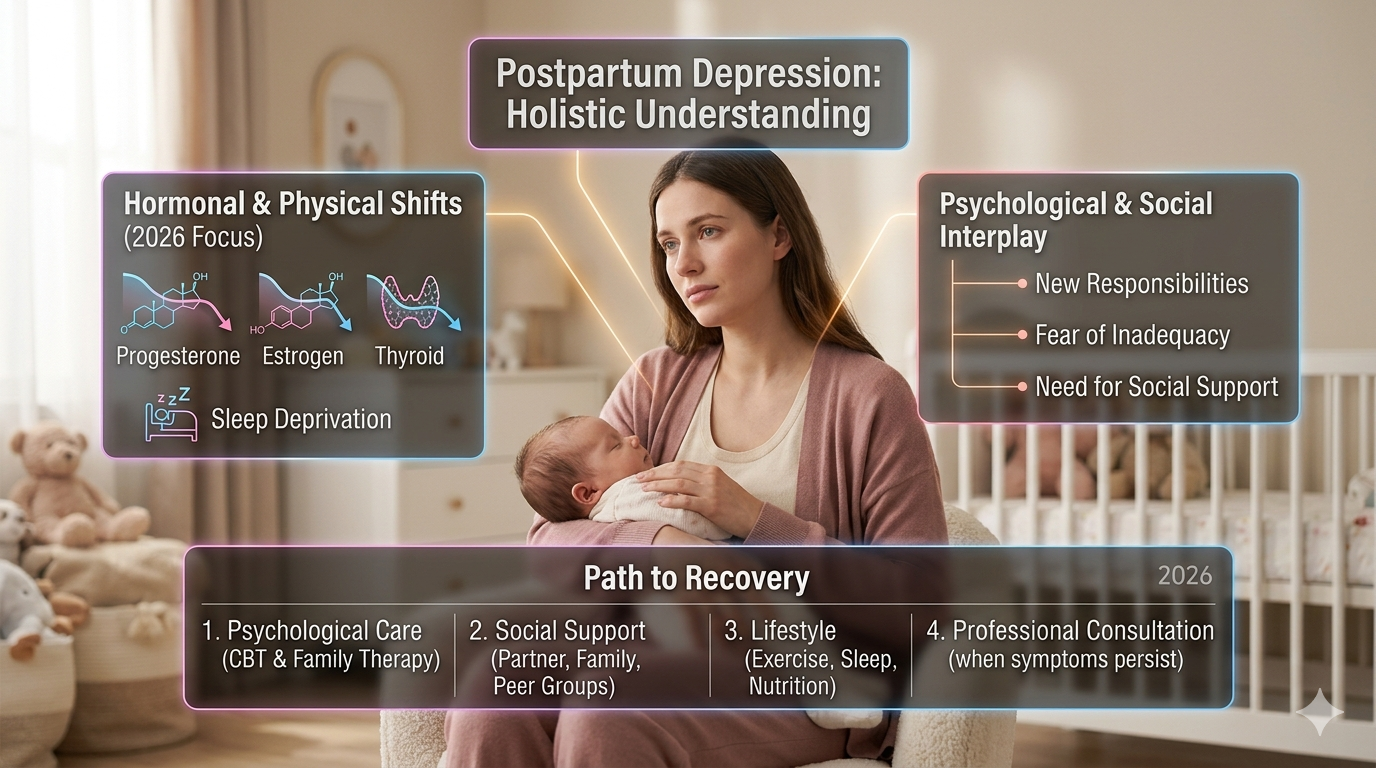
Postpartum depression rarely has a single cause. Instead, it typically results from a combination of biological, emotional, and social factors.
1. Hormonal Changes
After childbirth, hormone levels—particularly estrogen and progesterone—drop dramatically. These sudden hormonal shifts can affect brain chemistry and mood regulation, increasing the risk of depression. Changes in thyroid hormone levels may also contribute to fatigue and mood instability.
2. Sleep Deprivation
New mothers often experience disrupted sleep due to newborn care routines. Chronic sleep deprivation can significantly impact mental health, leading to irritability, anxiety, and depressive symptoms. Lack of rest also affects cognitive performance and emotional resilience.
3. Emotional Stress and Life Adjustments
Adjusting to motherhood can be overwhelming. New responsibilities, lifestyle changes, and concerns about parenting ability may increase emotional stress. Common stress factors include:
- Fear of not being a good mother
- Difficulty adapting to new routines
- Balancing work and family responsibilities
4. Lack of Social Support
Support from partners, family members, and friends plays a crucial role in emotional recovery after childbirth. Women who feel isolated or unsupported are more likely to experience postpartum depression. Strong support systems can significantly reduce stress and improve psychological wellbeing.
5. Previous Mental Health History
Women who previously experienced depression, anxiety disorders, or mood disorders have a higher risk of developing postpartum depression. Family history of mental illness may also increase vulnerability.
Symptoms of Postpartum Depression
Symptoms can vary in intensity but usually affect emotional, physical, and behavioral aspects of life.
Emotional Symptoms
- Persistent sadness or hopelessness
- Anxiety and excessive worry
- Irritability or mood swings
- Feelings of guilt or inadequacy
Physical Symptoms
- Extreme fatigue
- Changes in appetite
- Sleep disturbances
- Low energy levels
Behavioral Symptoms
- Withdrawal from family and friends
- Difficulty bonding with the baby
- Loss of interest in daily activities
If these symptoms persist for more than two weeks, professional support should be considered.
Effects of Postpartum Depression on Mother and Baby
Impact on the Mother
Untreated postpartum depression can lead to:
- Long-term emotional distress
- Reduced quality of life
- Difficulty managing daily responsibilities
Impact on the Baby
Maternal mental health plays a critical role in infant development. Postpartum depression may affect:
- Emotional bonding
- Infant development
- Parent-child interaction
Early treatment benefits both mother and child.
Effective Treatments for Postpartum Depression
Postpartum depression is highly treatable when addressed early.
1. Psychological Therapy
Psychotherapy is often the first recommended treatment. Effective therapy methods include:
- Cognitive Behavioral Therapy (CBT)
- Interpersonal Therapy
- Counseling sessions with mental health professionals
These therapies help mothers develop coping strategies and improve emotional regulation.
2. Social Support
A strong support system is essential during postpartum recovery. Support can come from:
- Partners and family members
- Friends and community networks
- Support groups for new mothers
Sharing experiences with others who understand the challenges can be extremely helpful.
3. Healthy Lifestyle Changes
Lifestyle improvements can significantly support recovery:
- Regular physical activity
- Balanced nutrition
- Adequate sleep whenever possible
- Stress management techniques
Even small daily habits can positively influence mental wellbeing.
4. Medication (When Necessary)
In moderate to severe cases, doctors may prescribe antidepressant medication. These medications help regulate brain chemistry and improve mood stability. Medication decisions should always be made under professional medical supervision, especially during breastfeeding.
Preventing Postpartum Depression
Although postpartum depression cannot always be prevented, certain steps can reduce the risk.
Prepare Emotionally Before Birth
Learning about postpartum mental health helps mothers understand what to expect.
Ask for Help
New mothers should not feel obligated to handle everything alone.
Maintain Social Connections
Regular communication with friends and family can reduce feelings of isolation.
Practice Self-Care
Taking time for rest, relaxation, and personal wellbeing is essential.
When to Seek Professional Help
Professional support should be considered if:
- Symptoms last longer than two weeks
- Emotional distress interferes with daily life
- There is difficulty caring for the baby
- Thoughts of self-harm or harm appear
Early treatment improves recovery outcomes.
Conclusion
Postpartum depression is a common but treatable mental health condition that affects many women after childbirth. Understanding the causes, symptoms, and treatment options allows mothers and families to recognize early warning signs and seek support.
With proper care, therapy, and social support, recovery is possible, allowing mothers to regain emotional balance and enjoy their journey into parenthood.