Causes of Depression After Divorce and How to Prevent It
Mental Health
Divorce is one of the most emotionally challenging experiences. It can lead to post-divorce depression, affecting emotional, social, and financial wellbeing. Understanding the causes and prevention strategies is key to recovery.
Featured Snippet-ready:
Question: What causes depression after divorce?
Answer: Depression after divorce is often caused by emotional loss, social isolation, financial stress, and feelings of personal failure. Awareness, social support, and self-care are essential to prevent post-divorce depression.
Psychological Factors Leading to Post-Divorce Depression
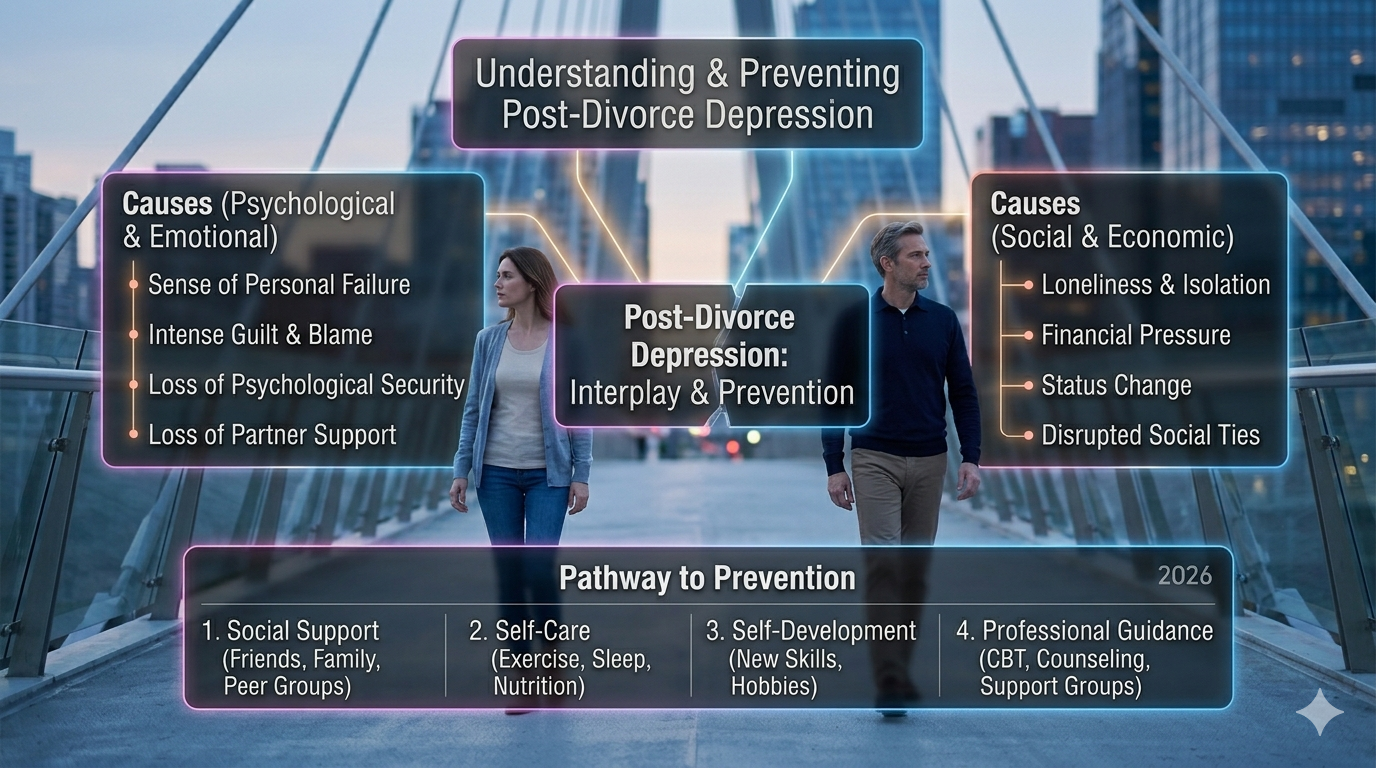
Feeling of Personal Failure
Divorce may trigger feelings of failure, lowering self-confidence and increasing the risk of depression.
Loneliness and Social Isolation
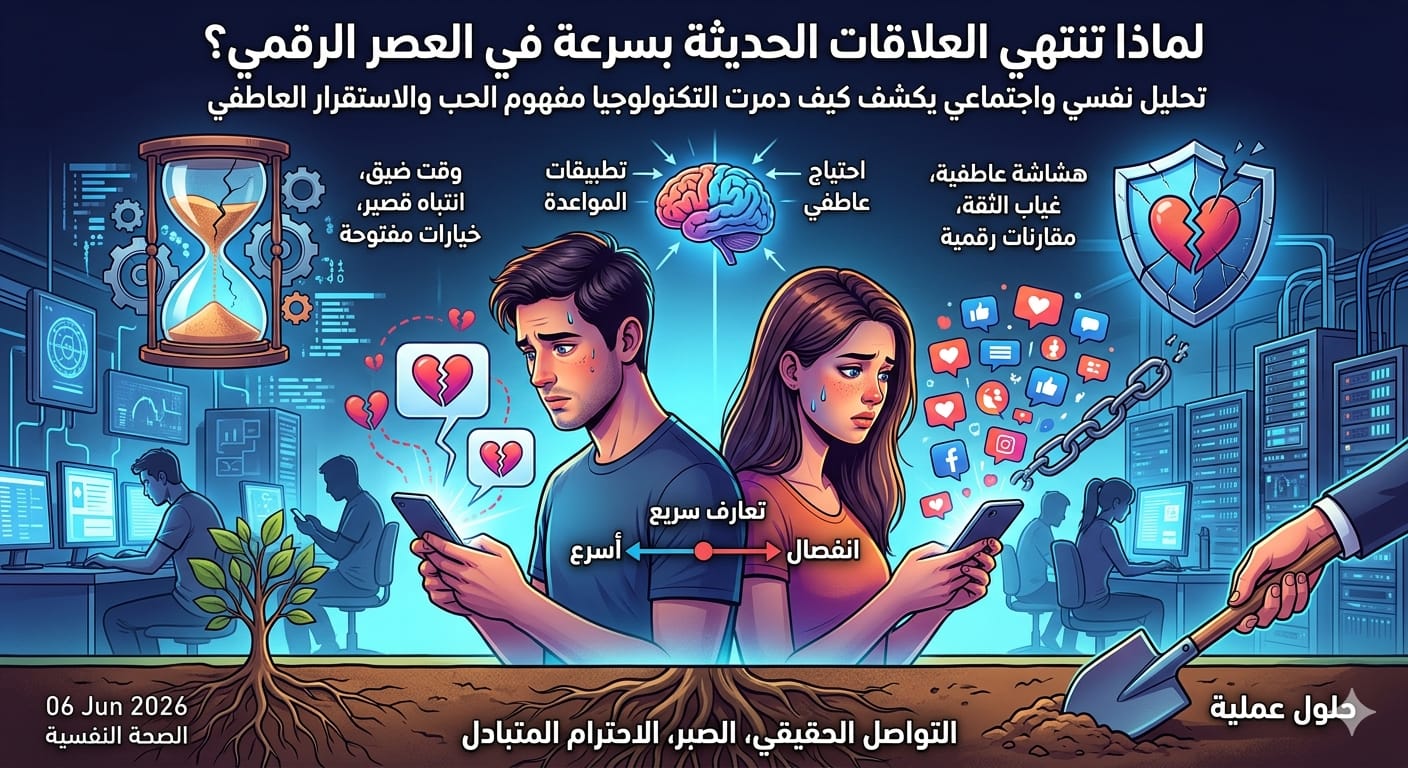
Loss of social support and changes in social circles often lead to isolation, a major depression risk factor.
Guilt and Self-Blame
Blaming oneself for divorce can create persistent negative thoughts and chronic depressive symptoms.
Social and Economic Factors
Financial Pressures
Dividing assets, alimony, or income loss can cause stress and contribute to depression.
Changes in Social Life
Divorce often affects friendships and social networks, sometimes leading to societal judgment and isolation.
Biological and Physiological Factors
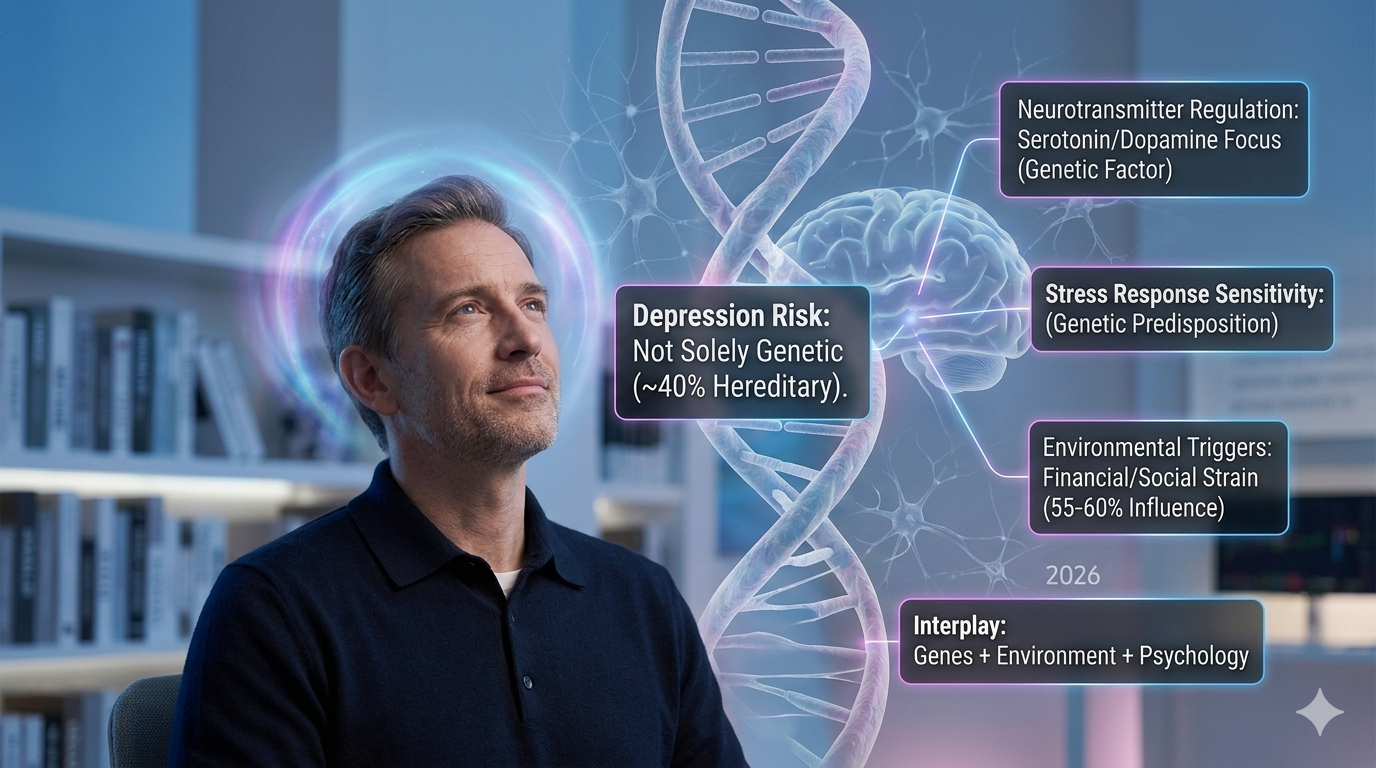
- Hormonal Changes: Stress impacts cortisol levels, increasing anxiety and depression.
- Sleep Disturbances: Insomnia or irregular sleep patterns worsen mental strain.
- Appetite and Energy Changes: Low appetite and fatigue contribute to depressive symptoms.
Signs of Post-Divorce Depression
- Persistent sadness or hopelessness
- Loss of interest in daily activities
- Appetite or weight changes
- Sleep disturbances
- Difficulty concentrating
- Withdrawal from social contacts
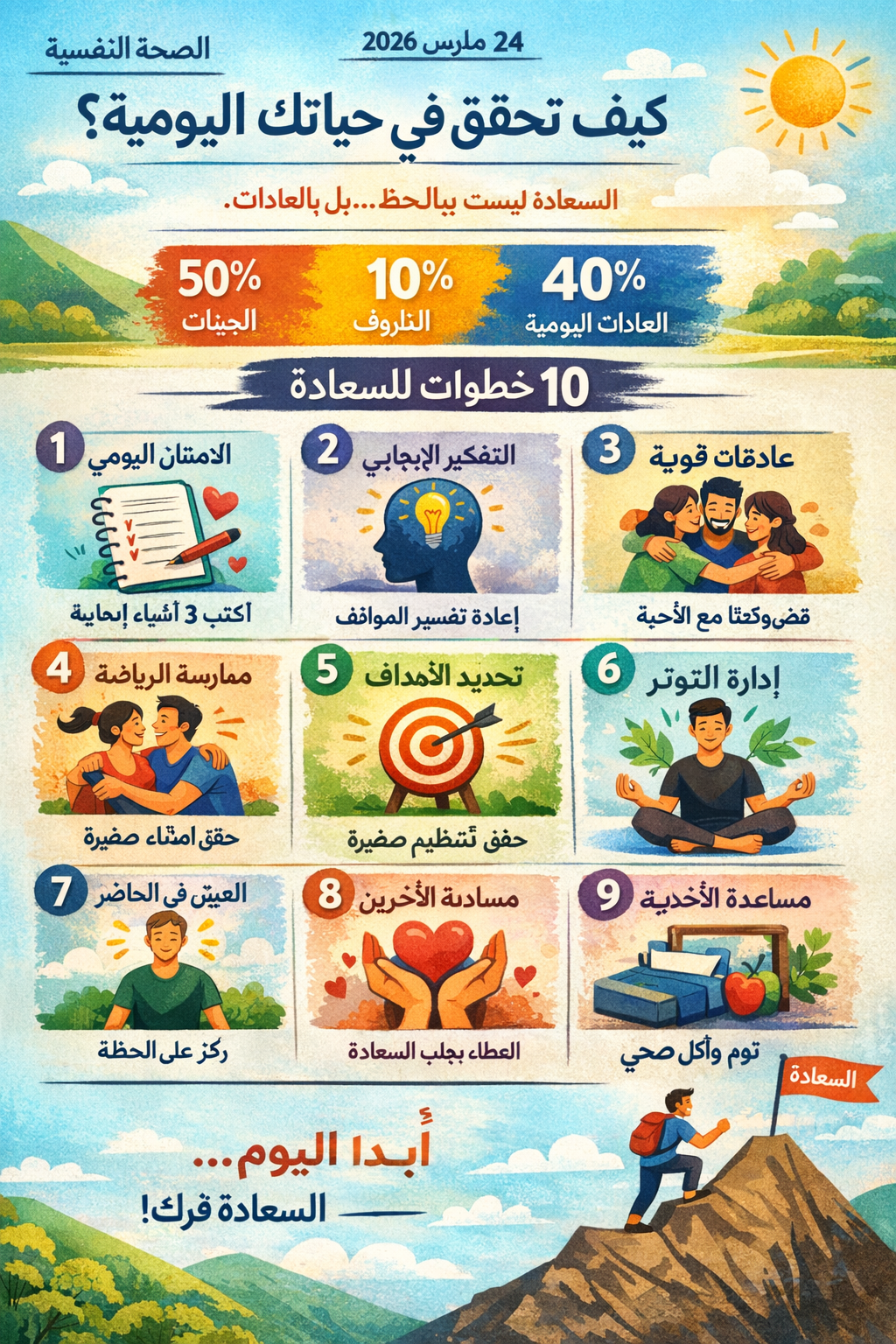
Strategies to Prevent Depression After Divorce
Psychological and Social Support
- Join support groups for divorced individuals
- Share feelings with trusted friends or family
- Seek professional therapy when needed
Physical Health Care
- Exercise regularly
- Eat a balanced diet
- Maintain a healthy sleep schedule
Personal Development
- Learn new skills or hobbies
- Set achievable goals to rebuild confidence
- Practice mindfulness and meditation
Rebuilding Daily Routines
- Plan time for work, social life, and rest
- Reduce stress via structured scheduling
Treatment Options
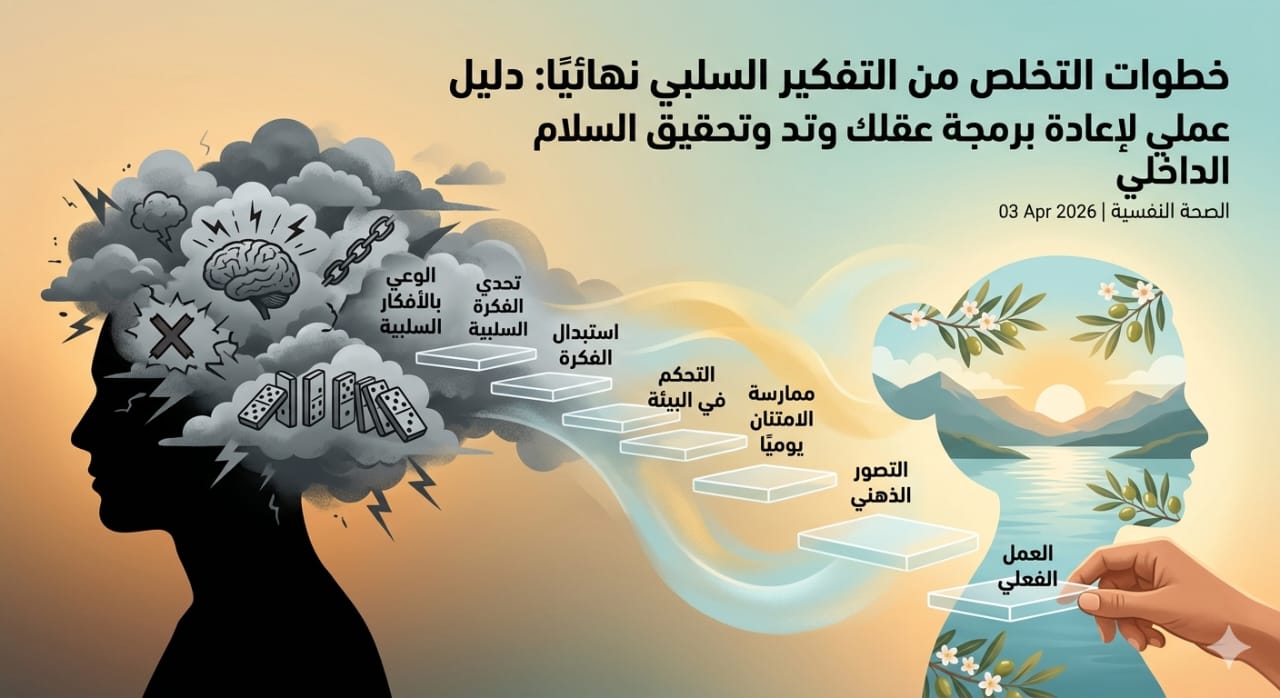
- Cognitive Behavioral Therapy (CBT): Changes negative thoughts
- Medication (if necessary): Under professional supervision
- Group Therapy: Peer support and shared experiences
Conclusion
Understanding the causes of depression after divorce and implementing prevention strategies helps individuals recover emotionally and psychologically. Social support, self-care, therapy, and awareness are essential to avoid post-divorce depression.