Depression and Mood Disorders: Causes and Effective Treatment
Mental Health
07 Mar 2026
Depression and mood disorders are among the most common mental health issues worldwide, significantly affecting quality of life. This article explains the psychological, biological, and social causes of these disorders, in addition to the most effective methods of treatment, including psychotherapy, medication, and lifestyle support.
What Are Depression and Mood Disorders?
Depression is a mood disorder characterized by persistent sadness, loss of interest in daily activities, sleep and appetite disturbances, and feelings of guilt or worthlessness.
Mood disorders include a range of conditions such as:
- Major depressive disorder
- Dysthymia (Persistent depressive disorder)
- Bipolar disorder
All these conditions affect thinking, behavior, and social relationships.
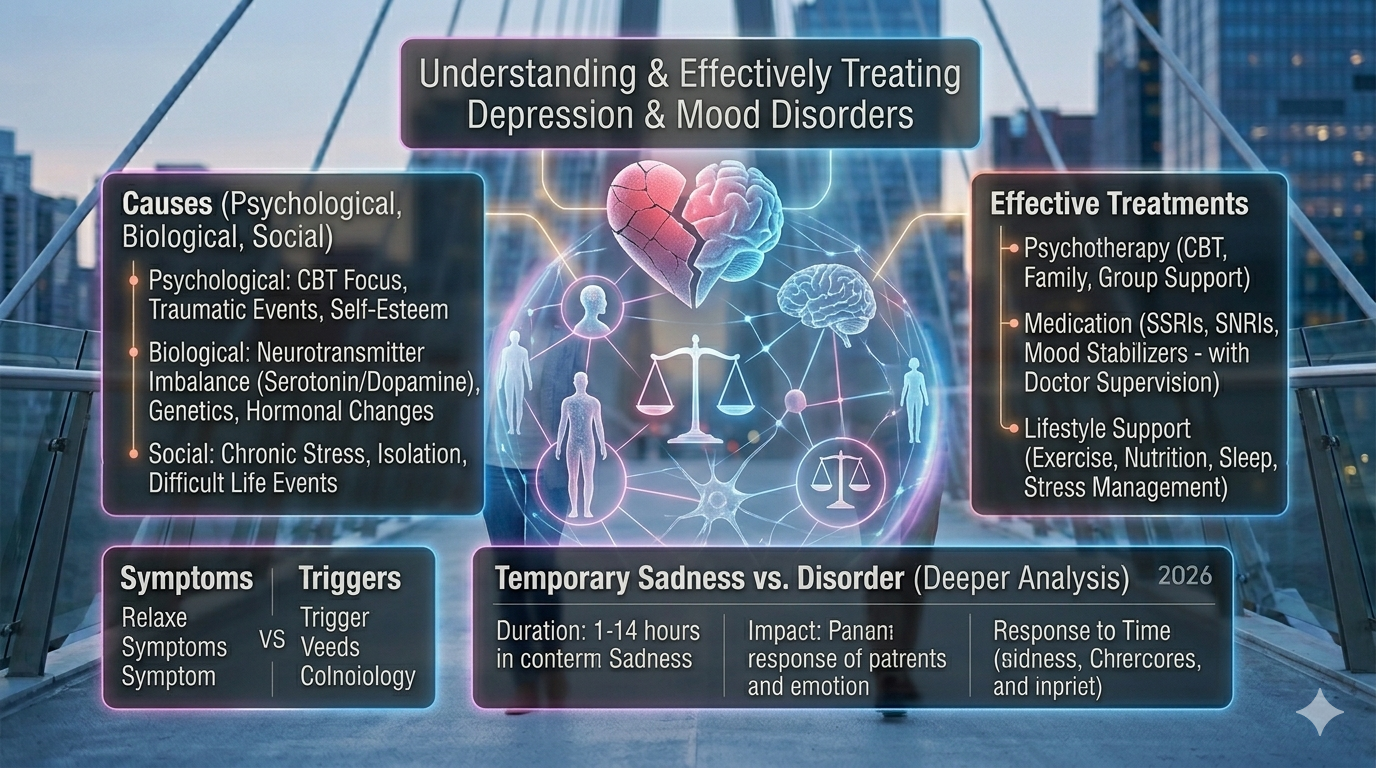
Causes of Depression and Mood Disorders
1. Psychological Factors
- Chronic Anxiety: Continuous stress can trigger depression.
- Psychological Trauma: Experiences like loss of a loved one or abuse.
- Low Self-Esteem: Continuous criticism or negative comparison with others.
2. Biological Factors
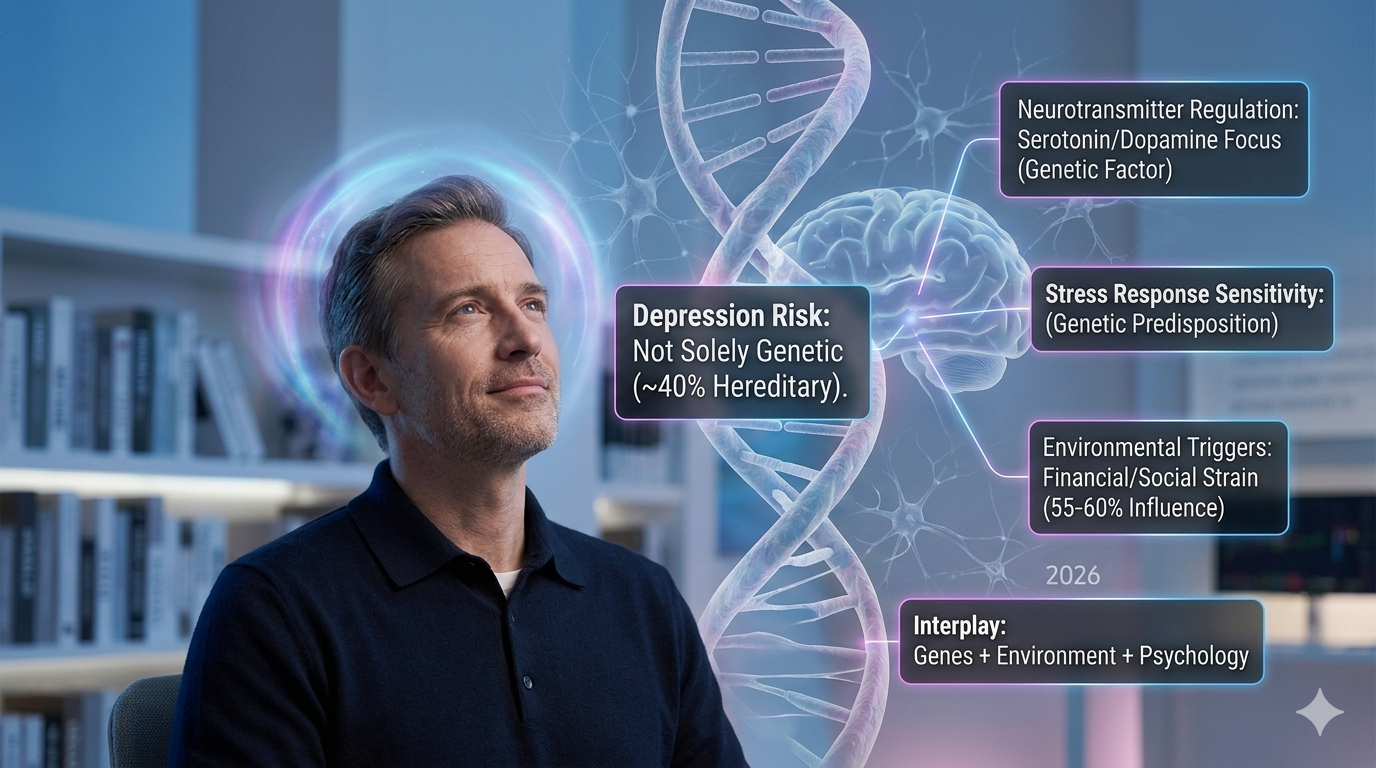
- Chemical Imbalances in the Brain: Low serotonin and dopamine levels.
- Genetics: Family history of depression or mood disorders.
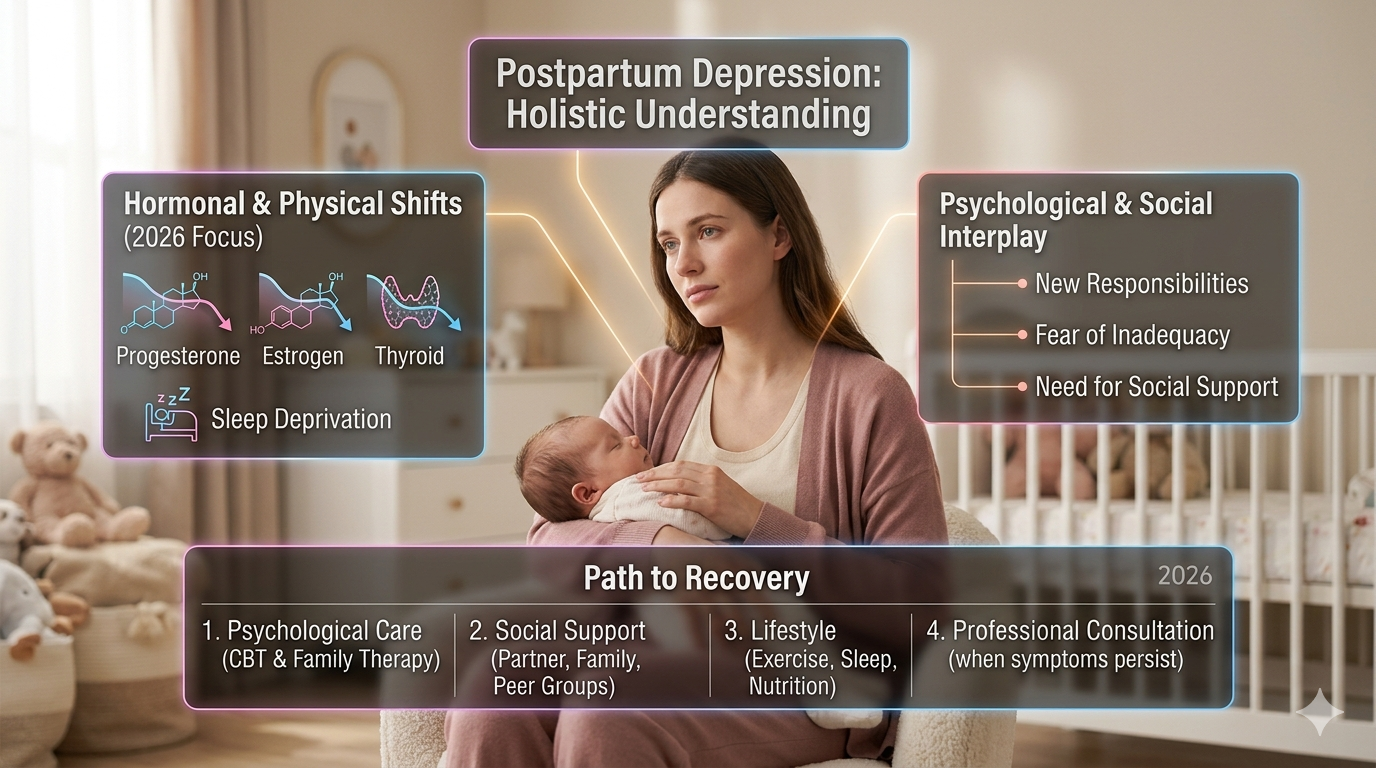
- Hormonal Changes: During adolescence, pregnancy, or menopause.
3. Social and Environmental Factors
- Academic or work-related pressures
- Social isolation or disconnection
- Life stressors such as unemployment or financial difficulties
Symptoms of Depression and Mood Disorders
- Persistent sadness or emptiness
- Loss of interest in enjoyable activities
- Appetite and weight changes
- Sleep disturbances (insomnia or hypersomnia)
- Difficulty concentrating and making decisions
- Feelings of guilt or worthlessness
- In severe cases: thoughts of self-harm
Difference Between Temporary Sadness and Mood Disorders
| Temporary Sadness | Depression & Mood Disorders |
|---|---|
| Short-term, triggered by a specific event | Persistent, affecting daily life |
| Usually fades over time | Worsens without treatment |
| Minimal physical symptoms | Clear psychological and physical symptoms |
Prevention Strategies
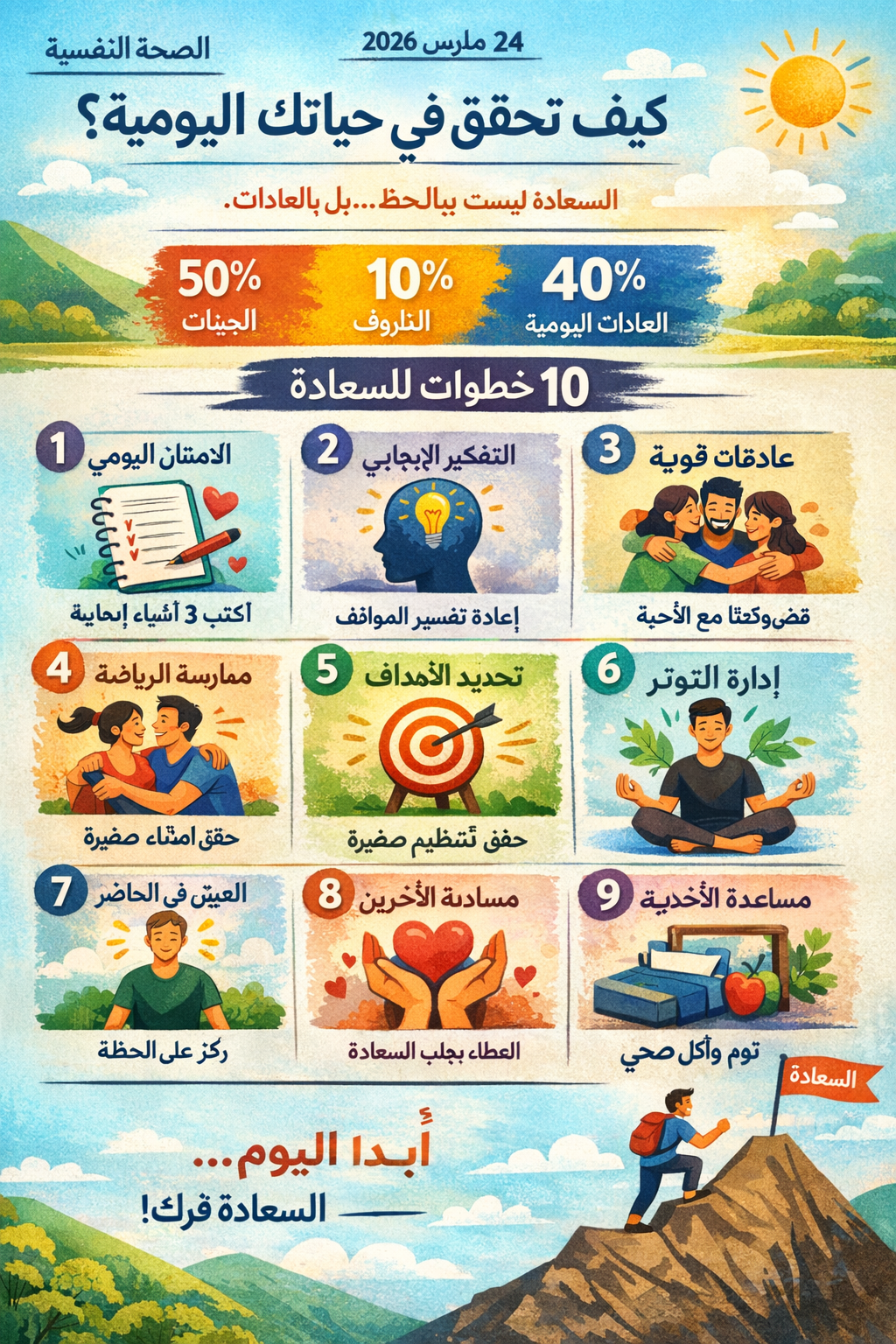
- Regular physical activity
- Healthy sleep routines
- Balanced nutrition
- Social connection and family support
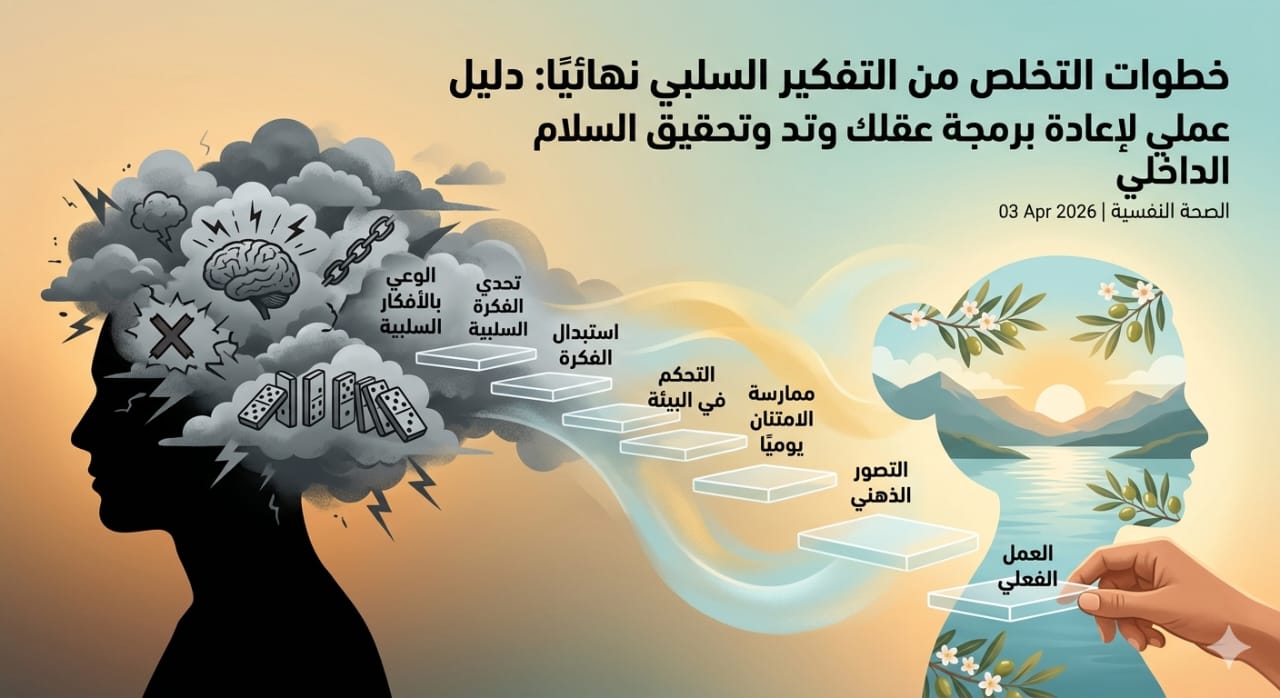
- Learning stress management skills
- Early psychological intervention if needed
Effective Treatment Methods
Psychotherapy
- Cognitive Behavioral Therapy (CBT): Helps change negative thinking and behaviors.
- Family and Group Therapy: Reduces stress and strengthens social support.
Medication
- Antidepressants like SSRIs and SNRIs
- Mood stabilizers for bipolar disorder
- Prescribed and monitored by a qualified physician
Lifestyle Support
- Engaging in hobbies and enjoyable activities
- Maintaining a daily routine
- Limiting social media exposure that causes stress
When to Seek Professional Help
- Symptoms persist for more than two weeks
- Academic or work performance declines
- Social withdrawal increases
- Thoughts of self-harm appear
Early intervention improves recovery outcomes.