The Link Between Chronic Stress and Depression: Key Evidence
Mental Health
Chronic stress and depression are closely connected. Scientific studies show that prolonged exposure to stress increases the risk of depression and affects brain and nervous system functions.
Understanding the link between chronic stress and depression helps with prevention, early intervention, and improving overall mental well-being.
What Is Chronic Stress?
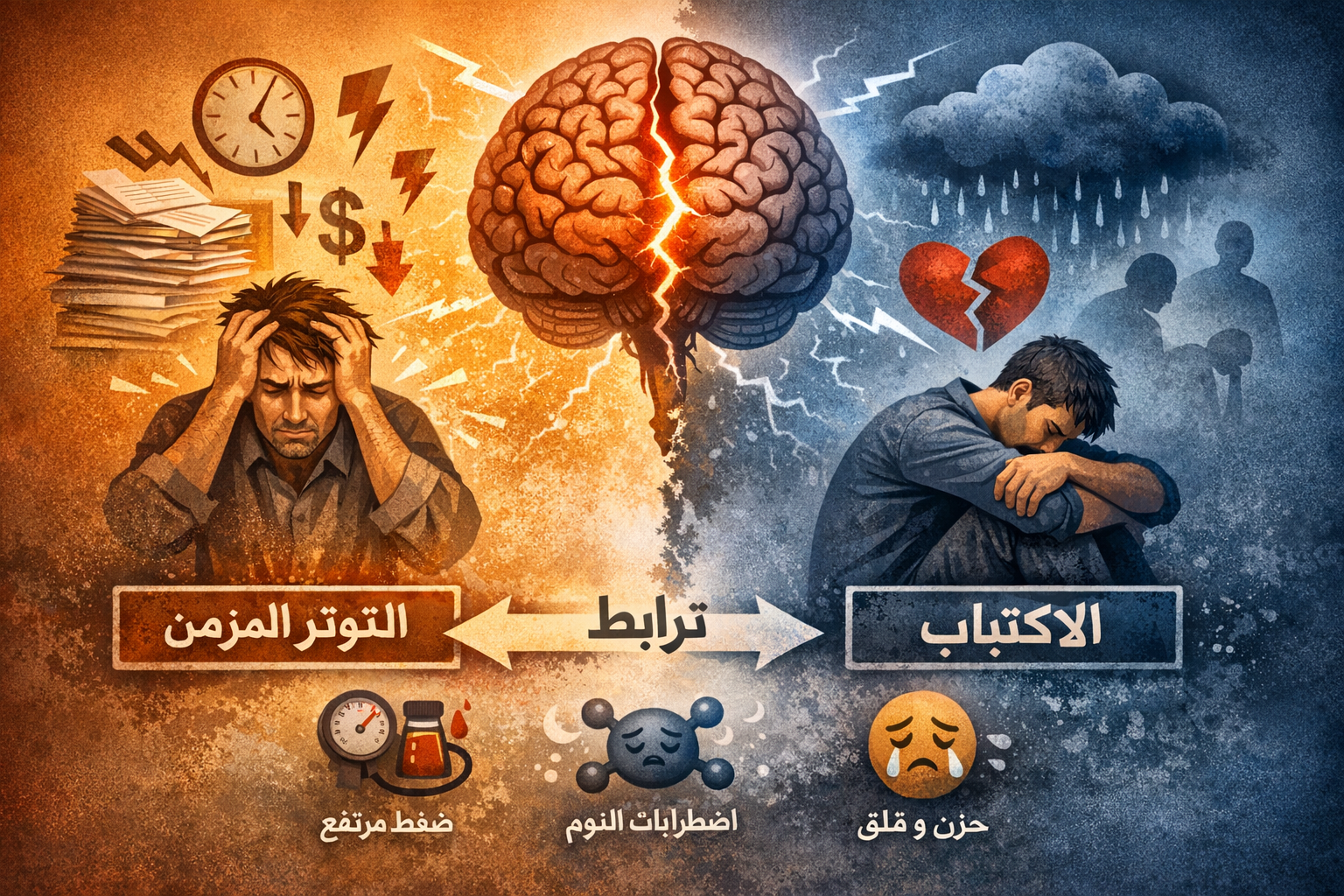
Chronic stress is a state of continuous psychological pressure resulting from work, study, social relationships, or challenging life events.
It differs from temporary stress due to its persistence and impact on mental and physical health, including:
- High blood pressure
- Weakened immune system
- Sleep disturbances
- Mood changes
What Is Depression?
Depression is a mood disorder characterized by persistent sadness, loss of interest in daily activities, sleep and appetite disturbances, low energy, and feelings of guilt or worthlessness.
Chronic depression impacts social, academic, and professional performance and may interact with other chronic physical conditions.
The Link Between Chronic Stress and Depression
1. Impact on the Brain
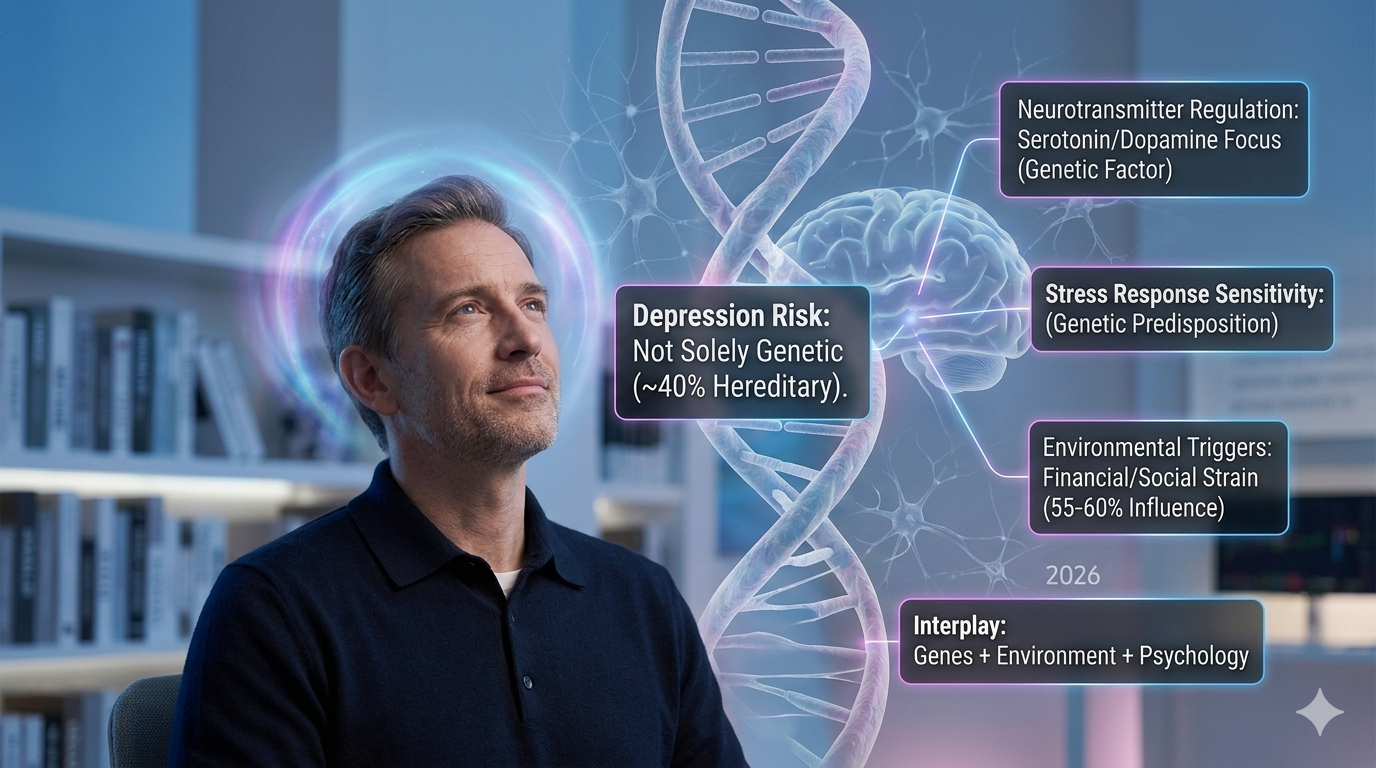
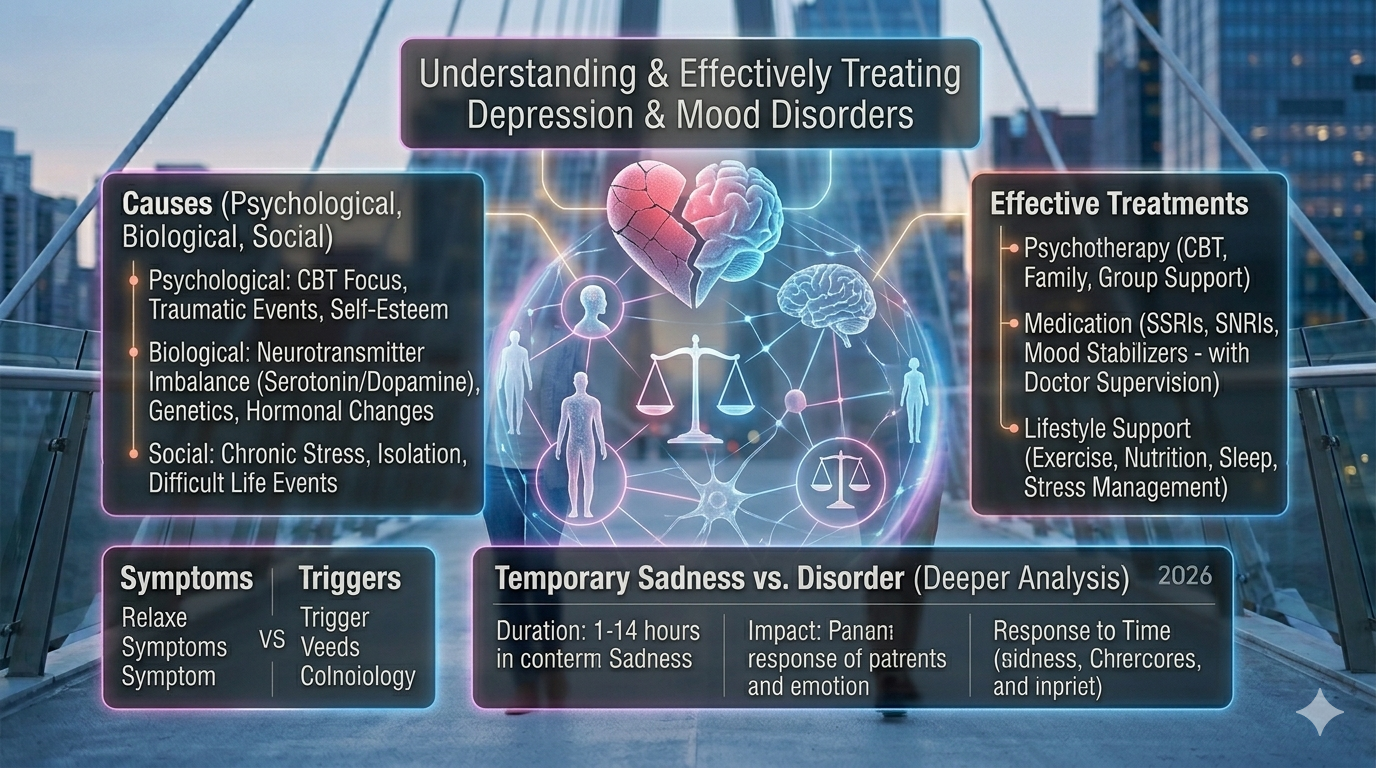
Chronic stress increases cortisol levels, affecting brain areas responsible for emotion regulation, such as:
- Hippocampus
- Amygdala
- Prefrontal cortex
These changes raise susceptibility to depression.
2. Neurochemical Changes
Chronic stress affects serotonin and dopamine levels, neurotransmitters linked to happiness and stable mood. Their imbalance increases depression risk.
3. Psychological Factors
- Persistent anxiety
- Negative thinking patterns
- Poor coping skills
These psychological factors amplify depression in stressed individuals.
4. Physical Factors
- Sleep disturbances
- Weakened immunity
- Chronic fatigue
These physical consequences of chronic stress also negatively affect mental health and increase depression likelihood.
Key Scientific Evidence
- Individuals exposed to chronic stress for more than six months have a 2–3 times higher risk of developing depression.
- Elevated cortisol levels are strongly associated with depressive symptoms.
- Early stress management interventions can reduce depression risk by up to 40%.
Symptoms of Chronic Stress Linked to Depression
- Persistent sadness or emptiness
- Loss of interest in usual activities
- Insomnia or excessive sleep
- Decline in academic or work performance
- Difficulty concentrating
- Constant fatigue
Prevention Strategies
- Time and Stress Management: Organizing tasks to reduce psychological pressure.
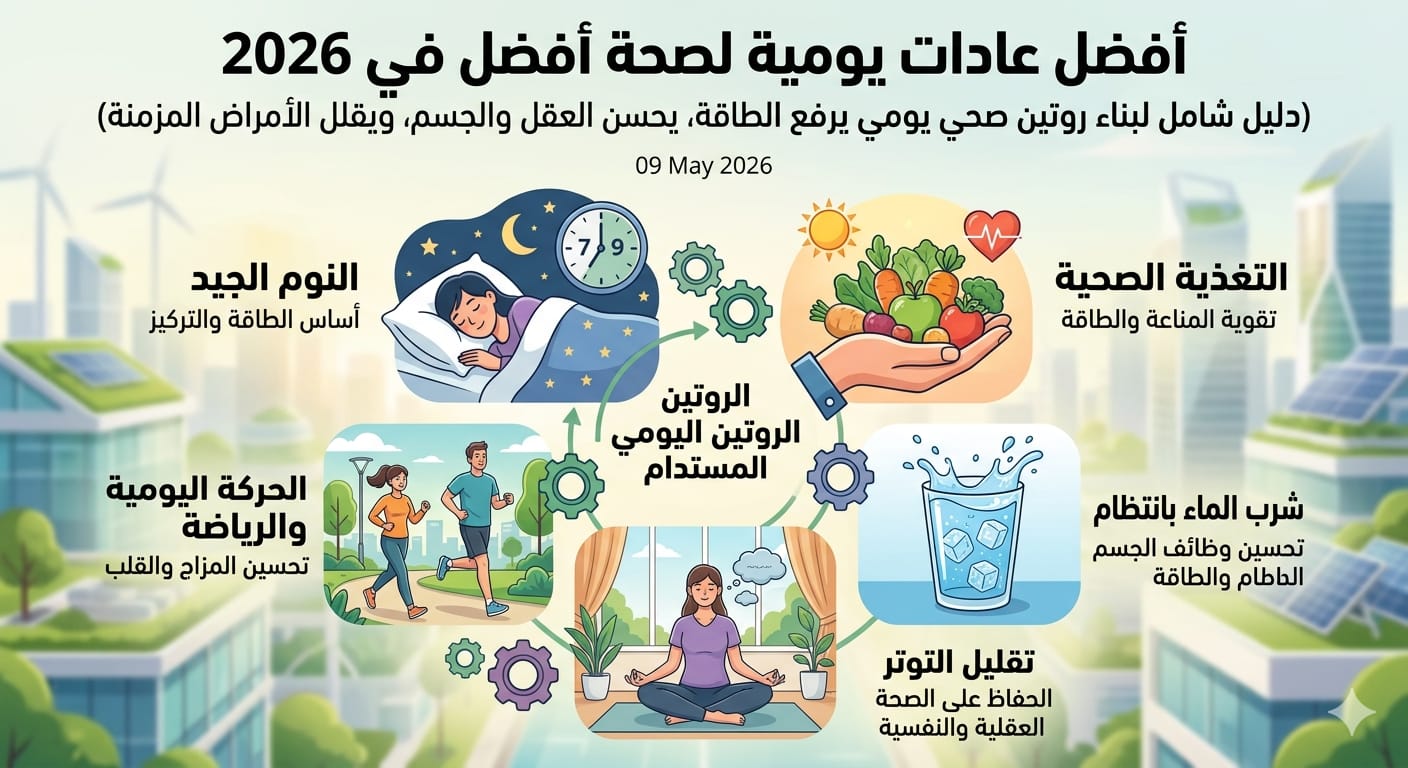
- Regular Exercise: Boosts happiness hormones and reduces stress.
- Healthy Sleep: 7–8 hours of sleep per night.
- Balanced Nutrition: Foods rich in omega-3 and essential vitamins.
- Social Support: Family and friends help buffer stress.
Effective Treatment Methods
Psychotherapy
- Cognitive Behavioral Therapy (CBT): Helps change negative thoughts and strengthen stress coping skills.
- Family and Group Therapy: Enhances social support and communication.
Medication
- Antidepressants (SSRIs and SNRIs)
- Mood stabilizers for complex mood disorders
- Should be prescribed and monitored by a qualified physician
Lifestyle Support
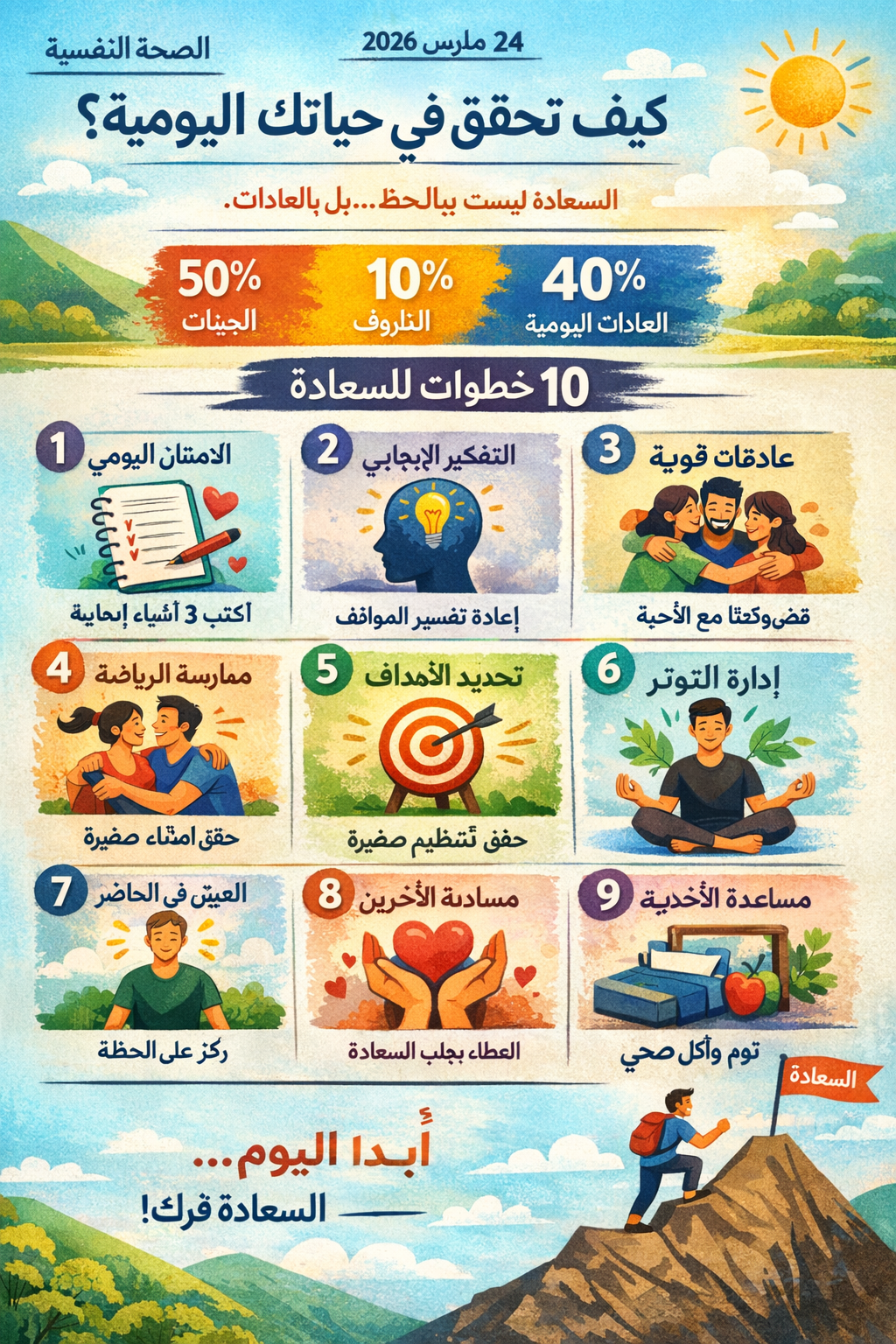
- Engaging in hobbies and leisure activities
- Maintaining a structured daily routine
- Relaxation techniques and meditation
- Limiting excessive social media exposure
When to Seek Professional Help
- Symptoms persist for more than two weeks
- Academic or work performance declines
- Increased social withdrawal
- Thoughts of self-harm
Early intervention improves recovery outcomes.