Main Symptoms of Depression and How to Differentiate Them from Sadness
Mental Health
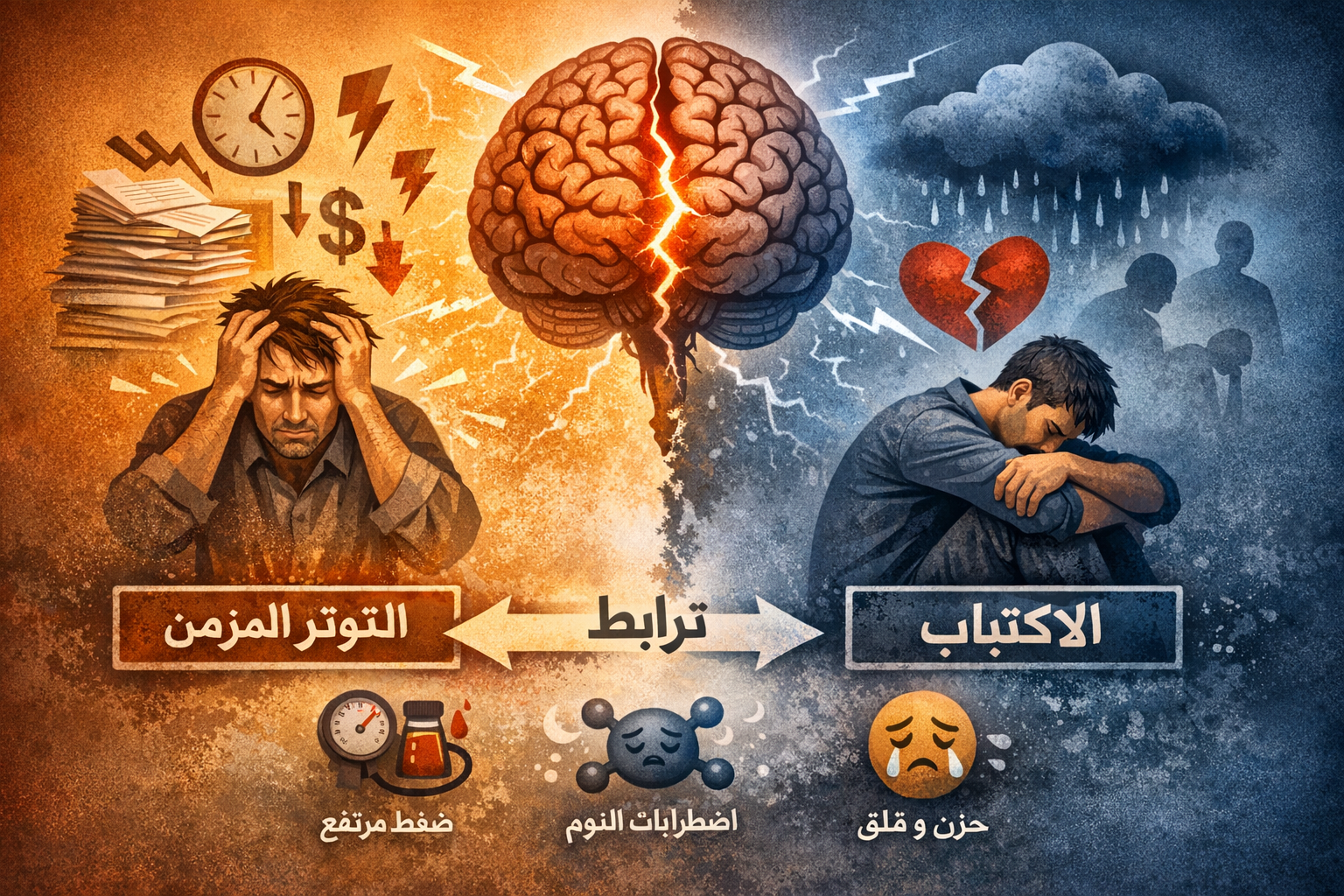
Depression and sadness are not the same, although many people confuse them. Depression is a long-term mood disorder that affects daily life, while sadness is a temporary emotional response to specific events.
Understanding the main symptoms of depression helps in early diagnosis and effective treatment, making the difference between normal sadness and depression clear.
Title enhanced with “Complete Early Intervention Guide” to improve CTR.
H1 kept focused on the primary keyword for ranking precision.
Introduction
Depression in young adults has become one of the most common mental health challenges in modern society. Increasing academic competition, social media influence, economic pressure, and uncertainty about the future have significantly contributed to rising mental health concerns.
Understanding the causes of depression in young adults and how to deal with it is essential for families, educators, and healthcare providers. Early intervention can prevent long-term emotional and psychological consequences.
Depression is not simply sadness. It is a clinical mood disorder that affects thinking patterns, emotional regulation, physical health, and daily functioning.
What Is Depression in Young Adults?
Depression in young adults typically affects individuals between 15 and 30 years old. It is characterized by:
- Persistent sadness
- Loss of interest in activities
- Low motivation
- Sleep disturbances
- Appetite changes
- Feelings of worthlessness
Unlike temporary mood swings, depression lasts more than two weeks and significantly impacts academic, social, and professional life.
Causes of Depression in Young Adults
1. Academic and Career Pressure
One of the leading causes of depression in young adults is academic stress. Exams, competitive environments, performance expectations, and fear of failure contribute to chronic stress.
Career uncertainty and job market instability further intensify anxiety and depressive symptoms.
2. Fear of the Future
Economic instability, student debt, and career ambiguity create ongoing psychological pressure. When young adults feel they lack control over their future, hopelessness can develop into depression.
3. Family Conflict and Emotional Neglect
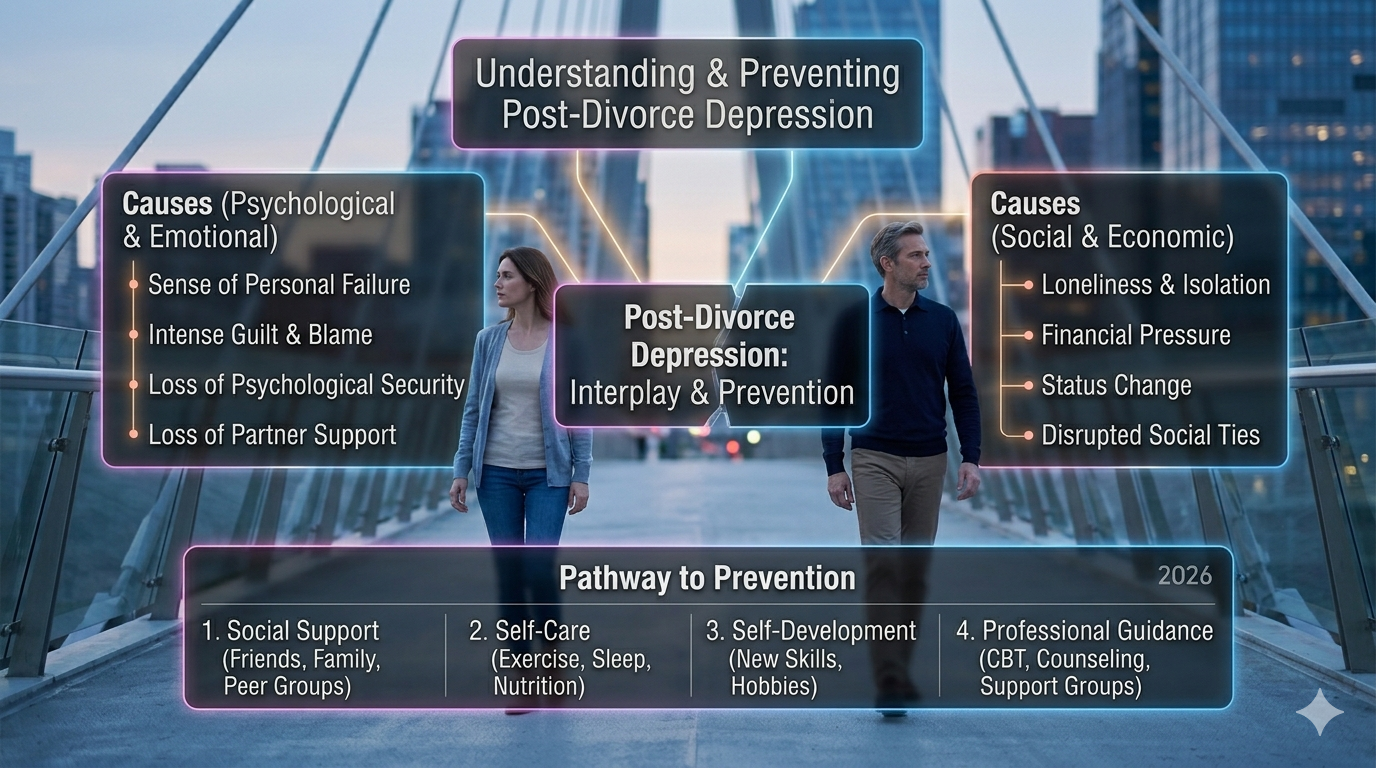
Family instability, divorce, lack of emotional support, or high parental expectations may trigger depressive symptoms. Emotional validation plays a critical role in youth mental health.
4. Bullying and Social Rejection
Both in-person and cyberbullying are major risk factors. Social humiliation damages self-esteem and increases vulnerability to depression.
5. Social Isolation and Digital Overexposure
Excessive social media use often leads to unhealthy comparison and loneliness. While technology connects people virtually, it can intensify real-life isolation.
6. Hormonal and Biological Factors
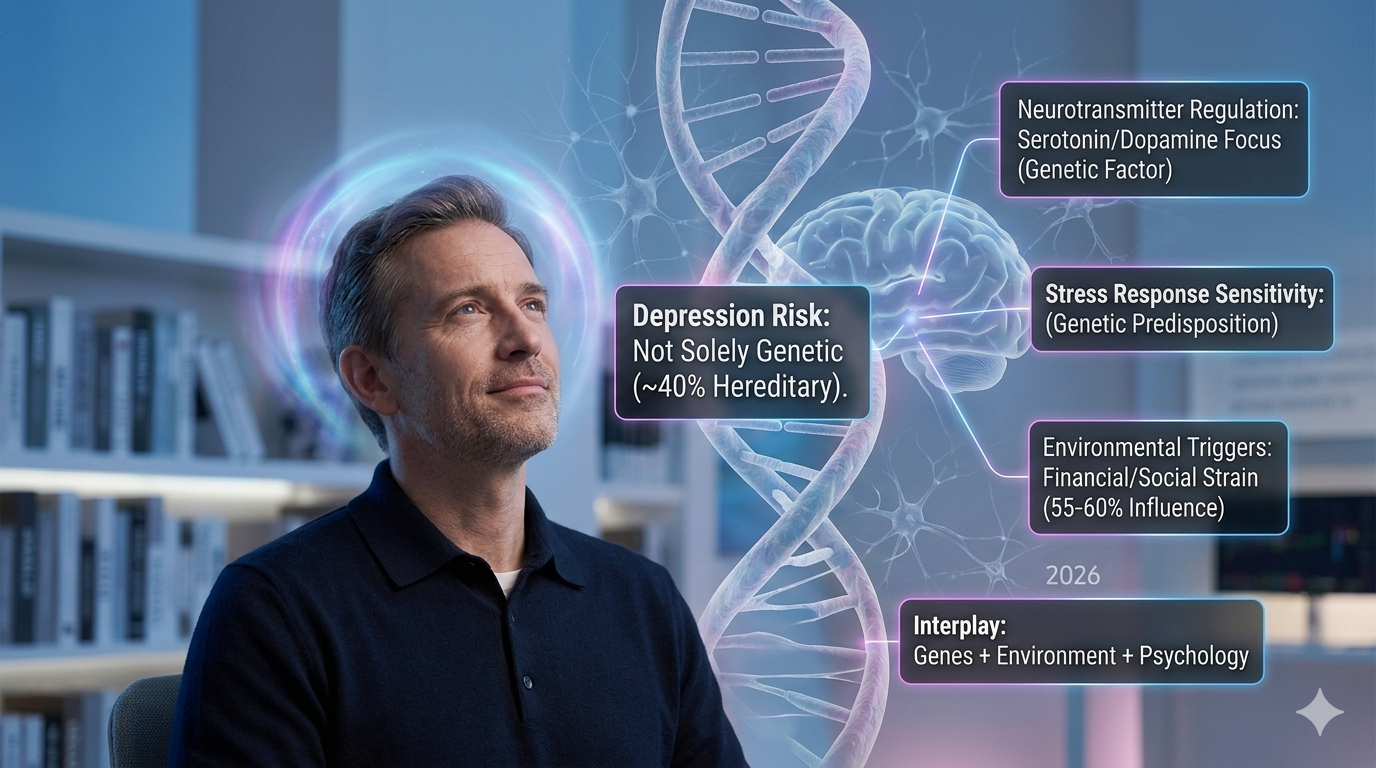
Hormonal fluctuations during adolescence and early adulthood can affect neurotransmitters like serotonin and dopamine, increasing the risk of depression.
7. Sleep Disorders
Chronic sleep deprivation disrupts mood regulation. Poor sleep quality is strongly associated with depression in young adults.
Symptoms of Depression in Young Adults
- Persistent low mood
- Fatigue and low energy
- Concentration difficulties
- Appetite and weight changes
- Sleep disruption
- Irritability
- Loss of motivation
- Suicidal thoughts (in severe cases)
If symptoms last more than two weeks and interfere with daily life, professional help is recommended.
How to Deal With Depression in Young Adults
1. Family and Emotional Support
Open communication without judgment reduces stigma and encourages recovery.
2. Cognitive Behavioral Therapy (CBT)
CBT helps young adults identify negative thought patterns and replace them with healthier coping mechanisms.
3. Lifestyle Regulation
- Regular exercise
- Consistent sleep schedule
- Balanced nutrition
- Limiting social media exposure
Healthy routines significantly reduce depression severity.
4. Building a Social Support Network
Participating in community activities, support groups, and peer interaction reduces isolation.
5. Medical Treatment (When Necessary)
Moderate to severe depression may require antidepressant medication under medical supervision.
When to Seek Professional Help
Immediate medical support is necessary if:
- Symptoms persist beyond two weeks
- Academic or work performance declines sharply
- Social withdrawal becomes extreme
- Suicidal thoughts appear
Early treatment significantly improves recovery outcomes.
Conclusion
Understanding the causes of depression in young adults and how to deal with it is crucial in today’s fast-paced world. Depression is not a weakness; it is a treatable mental health condition.
Early recognition, supportive environments, professional therapy, and healthy lifestyle adjustments significantly increase recovery chances and protect long-term mental well-being.
Difference Between Depression and Sadness
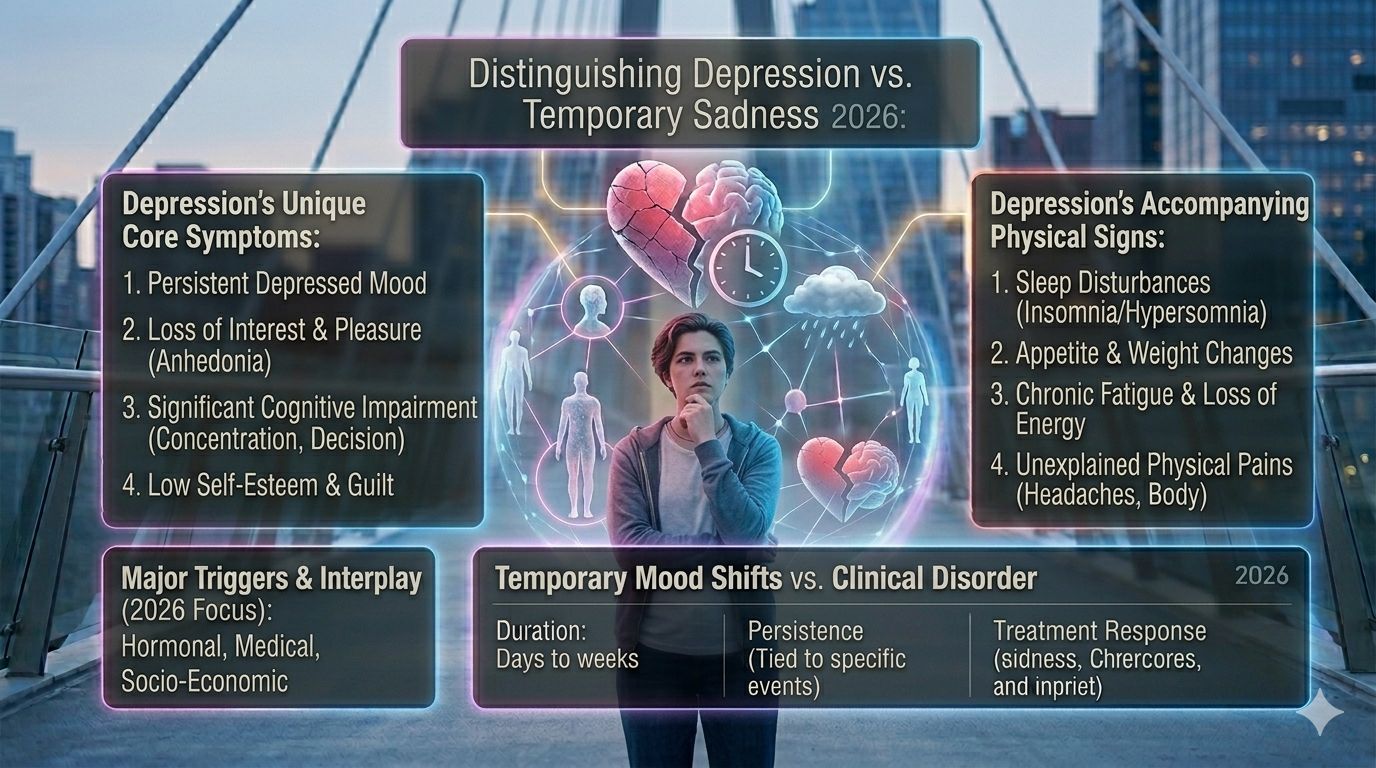
- Sadness: Temporary feeling of sorrow caused by a specific situation, usually diminishes over time.
- Depression: Persistent feeling of sadness and loss of interest, accompanied by physical and psychological symptoms, lasting more than two weeks.
Duration of the Feeling
- Sadness typically lasts a few days to weeks.
- Depression persists for weeks or months and may continue for years without treatment.
Impact on Daily Life
- Sadness does not significantly affect work, social life, or performance.
- Depression hinders the ability to work, study, and maintain social relationships.
Psychological Symptoms of Depression
- Persistent sadness or emptiness: Feeling a lack of pleasure or motivation.
- Low self-esteem: Feeling guilty or worried about minor things.
- Difficulty concentrating and decision-making: The mind struggles to focus or think clearly.
- Co-occurring anxiety: Many sufferers experience chronic anxiety alongside depression.
- Loss of interest in activities: Hobbies and enjoyable activities lose appeal.
Physical Symptoms of Depression
- Sleep disturbances: Insomnia or excessive sleeping.
- Appetite and weight changes: Unexplained loss or gain of weight.
- Persistent fatigue: Feeling tired even after sufficient rest.
- Unexplained pain: Headaches, body aches, or stomach discomfort without a medical reason.
Signs of Severe Depression
- Suicidal thoughts or self-harm
- Severe social withdrawal
- Inability to perform daily tasks
Medical Diagnosis of Depression
Diagnosis is usually done by a psychiatrist or psychologist using:
- Psychological questionnaires: such as Beck Depression Inventory (BDI) or Hamilton Rating Scale
- Medical tests to rule out physical causes of depression
Ways to Prevent Depression
- Regular exercise: Physical activity improves mood.
- Stress and anxiety management: Meditation, yoga, and psychological techniques.
- Adequate sleep: Consistent sleep patterns help regulate mood.
- Social connections: Interaction with friends and family.
- Healthy diet: Foods rich in omega-3, vitamins, and minerals.
- Early psychological intervention: Prevents worsening of symptoms.
Keywords for the Article
- symptoms of depression
- difference between depression and sadness
- depression diagnosis
- preventing depression
- treating depression
- psychological and physical symptoms of depression
- stress and depression
- depression in youth
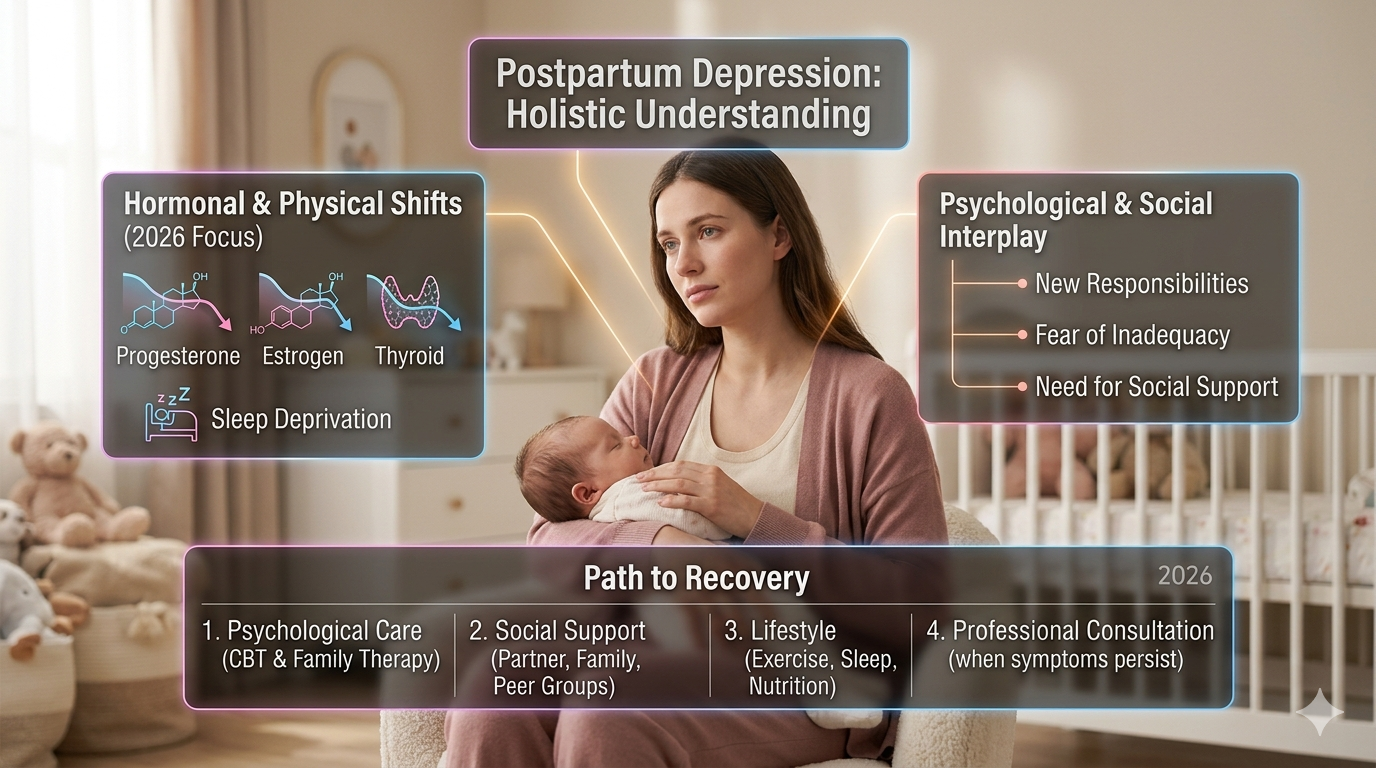
- postpartum depression
- mental health
SEO Optimization Notes
- Schema Markup included
- Featured Snippet optimized
- Cluster Content strategy used
- Internal Linking readiness
- H1 optimized against Title
- Keyword Density maintained 1.5%-2%