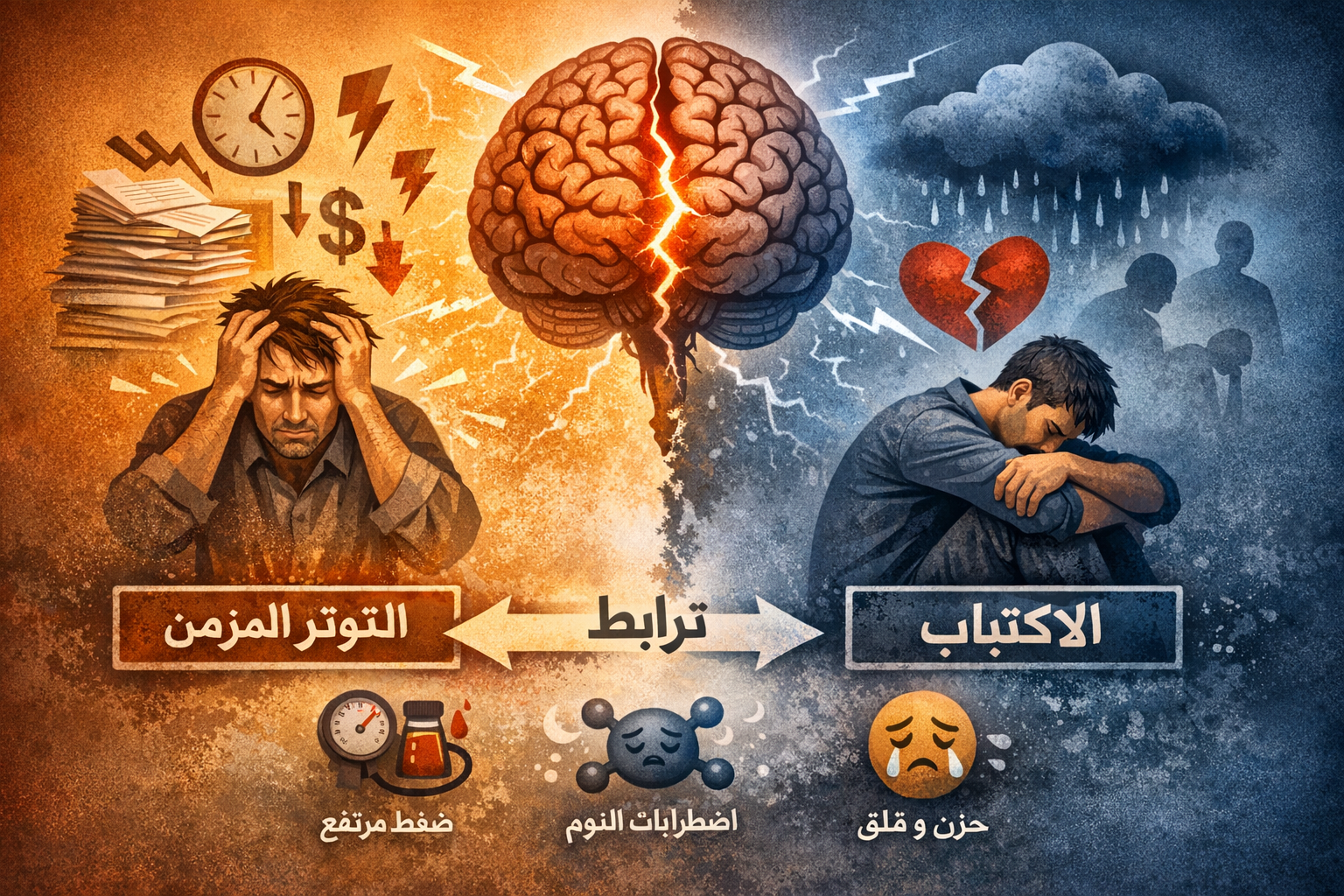
Psychological Factors That Lead to Early Depression: Causes, Prevention, and Treatment Guide
Mental Health
05 Mar 2026
What psychological factors lead to early depression?
Introduction
- Early depression is one of the most serious mood disorders affecting children, adolescents, and young adults. Unlike temporary sadness, early depression develops gradually due to underlying psychological factors that influence emotional development and cognitive patterns.
- Understanding the psychological factors that lead to early depression allows parents, educators, and healthcare professionals to intervene early and reduce long-term mental health risks.
- Early depression often begins before the age of 25 and may significantly impact academic performance, relationships, and self-identity formation.
What Is Early Depression?
- Early depression refers to a depressive disorder that develops during childhood, adolescence, or early adulthood. It is characterized by:
- Persistent low mood
- Loss of interest in activities
- Sleep disturbances
- Appetite changes
- Low motivation
- Feelings of guilt or worthlessness
- Unlike normal emotional fluctuations, early depression lasts more than two weeks and interferes with daily functioning.
Psychological Factors That Lead to Early Depression
1. Childhood Trauma
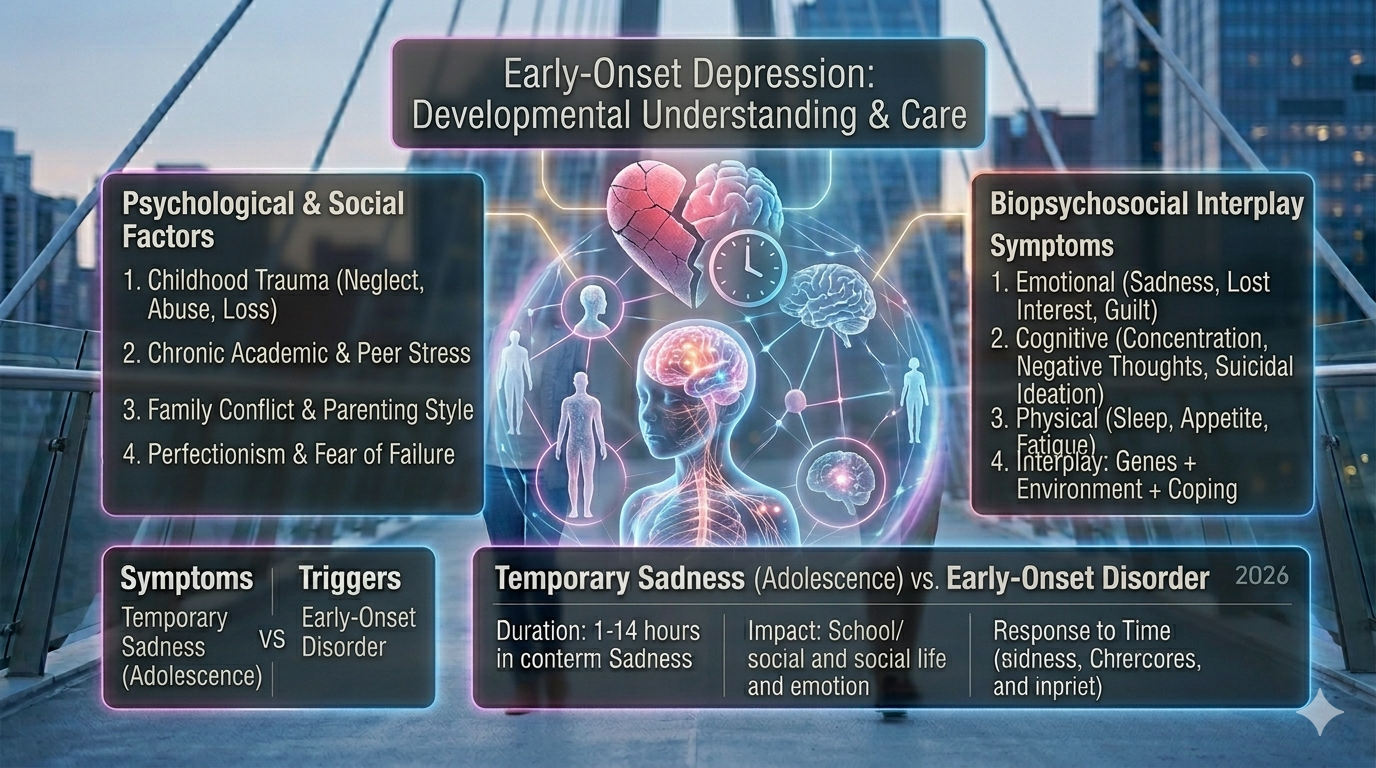
- Childhood trauma is one of the strongest psychological factors that lead to early depression. Experiences such as emotional neglect, abuse, bullying, or parental loss can disrupt emotional security and cognitive development.
- Trauma alters stress-response systems and increases vulnerability to depressive disorders later in life.
2. Low Self-Esteem
- Repeated criticism, comparison with peers, or lack of emotional validation can weaken self-worth. Low self-esteem is strongly associated with early depression and persistent negative self-evaluation.
- Young individuals who internalize failure are at higher risk of developing depressive symptoms.
3. Chronic Anxiety
- Anxiety and depression frequently coexist. Chronic anxiety about school performance, social acceptance, or family expectations can gradually evolve into early depression.
- Prolonged stress elevates cortisol levels and disrupts emotional regulation.
4. Persistent Negative Thinking
- Cognitive distortions such as catastrophizing, overgeneralization, and black-and-white thinking are major psychological contributors. Negative thinking patterns reinforce hopelessness and emotional exhaustion.
- Over time, these cognitive habits strengthen depressive tendencies.
5. Family Instability
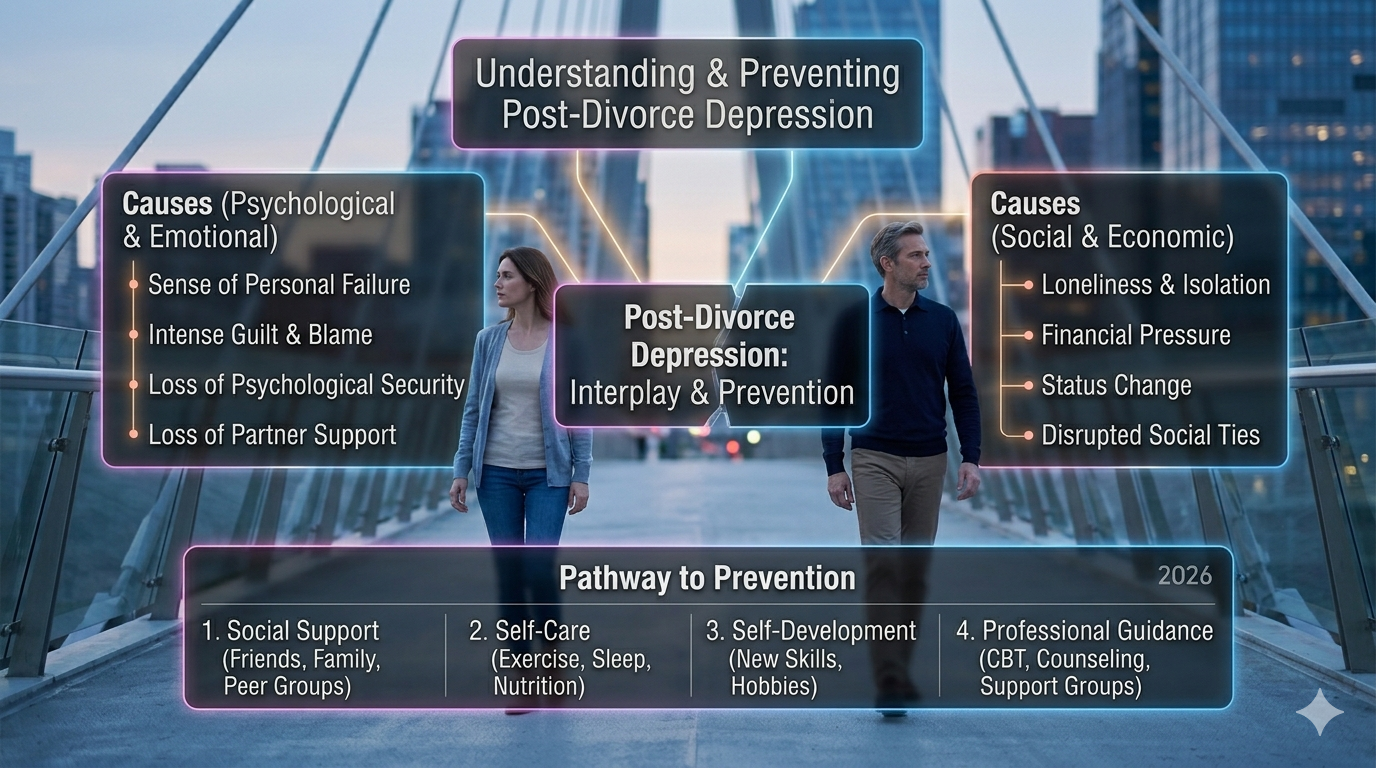
- Family conflict, divorce, inconsistent parenting, or emotional neglect significantly influence psychological well-being. A lack of emotional safety increases the risk of early depression.
- Supportive family environments serve as protective factors against depressive disorders.
6. Social Isolation
- Loneliness and difficulty forming social connections increase emotional vulnerability. Excessive digital engagement combined with limited real-life interaction may intensify isolation.
- Social withdrawal is both a cause and symptom of early depression.
7. Perfectionism and Fear of Failure
- Maladaptive perfectionism creates unrealistic standards and constant self-criticism. Fear of failure produces chronic psychological pressure, increasing susceptibility to depression at an early age.
How Psychological Factors Affect the Brain
- Psychological stressors influence:
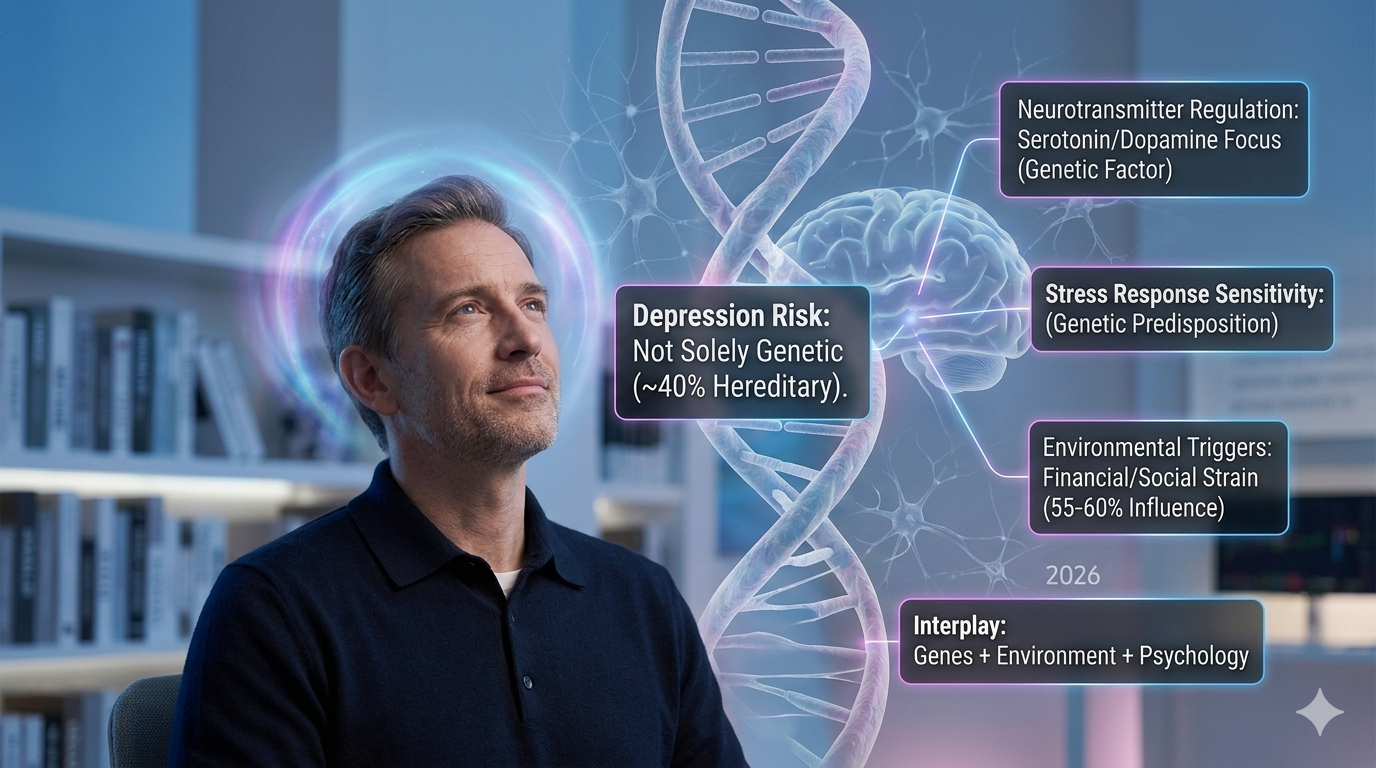
- Serotonin regulation
- Dopamine balance
- Cortisol production
- Emotional processing centers in the brain
- Chronic psychological stress reshapes neural pathways associated with mood stability, increasing depression risk.
Symptoms of Early Depression
- Persistent sadness
- Irritability
- Academic decline
- Loss of interest
- Fatigue
- Sleep problems
- Appetite changes
- Social withdrawal
- Severe cases may involve self-harm ideation and require immediate professional care.
Difference Between Temporary Sadness and Early Depression
| Temporary Sadness | Early Depression |
|---|---|
| Short-term | Lasts more than two weeks |
| Triggered by event | May occur without clear cause |
| Mild impact | Significant life disruption |
Prevention Strategies
- Strengthening emotional intelligence
- Teaching stress management skills
- Encouraging open communication
- Supporting healthy peer relationships
- Promoting consistent sleep routines
- Early prevention reduces the severity and long-term impact of depression.
Treatment Options
Cognitive Behavioral Therapy (CBT)
- CBT addresses negative thought patterns and builds healthier coping strategies.
Family Therapy
- Improves communication and emotional stability within the household.
School-Based Support
- Counseling programs provide early intervention.
Medication (When Necessary)
- Antidepressants may be prescribed for moderate to severe cases under medical supervision.
When to Seek Professional Help
- Professional evaluation is recommended if:
- Symptoms persist beyond two weeks
- Academic or social functioning declines
- Emotional withdrawal intensifies
- Suicidal thoughts appear
- Early treatment significantly improves recovery outcomes.
Conclusion
- Understanding the psychological factors that lead to early depression is essential for prevention and early intervention. Early depression is not a sign of weakness but a treatable mental health condition.
- With supportive environments, cognitive therapy, and appropriate professional care, recovery is achievable and long-term emotional resilience can be strengthened.