What is Depression and Its Main Psychological and Physical Causes
Mental Health
Depression is a psychological and physical condition that affects mood, thinking, and energy, leading to significant changes in daily life. Depression is more than just feeling sad; it includes feelings of emptiness, loss of interest, and disturbances in sleep and appetite.
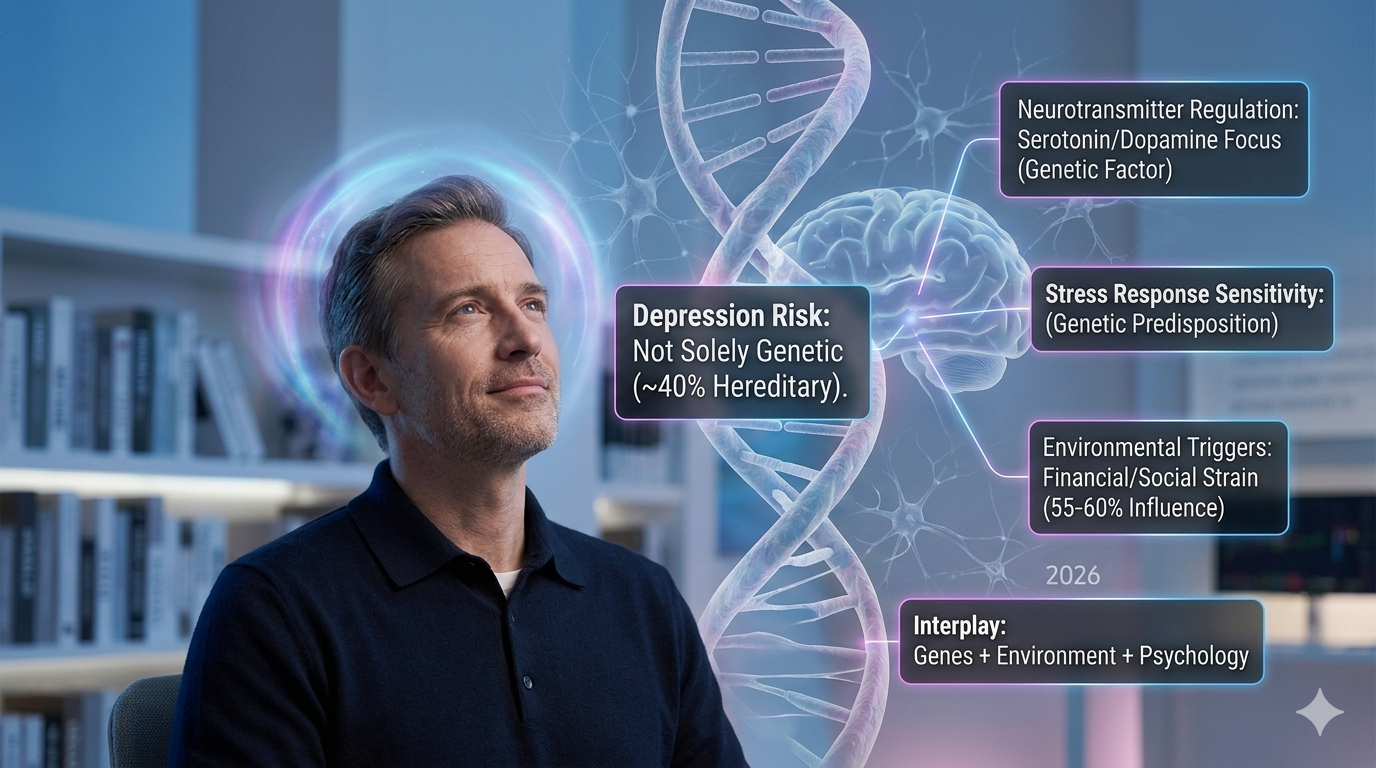
Modern psychological studies show that depression can arise from psychological, biological, and environmental factors, often cumulatively. Understanding these causes helps in prevention and effective treatment.
Definition of Depression and Its Types
Depression is not a temporary sadness but a persistent mood disorder affecting mental and physical functions. Its main types include:
- Major Depression: Characterized by prolonged periods of sadness and loss of interest.
- Persistent Depressive Disorder: Less severe than major depression but long-lasting.
- Seasonal Affective Disorder: Appears during specific seasons, usually winter.
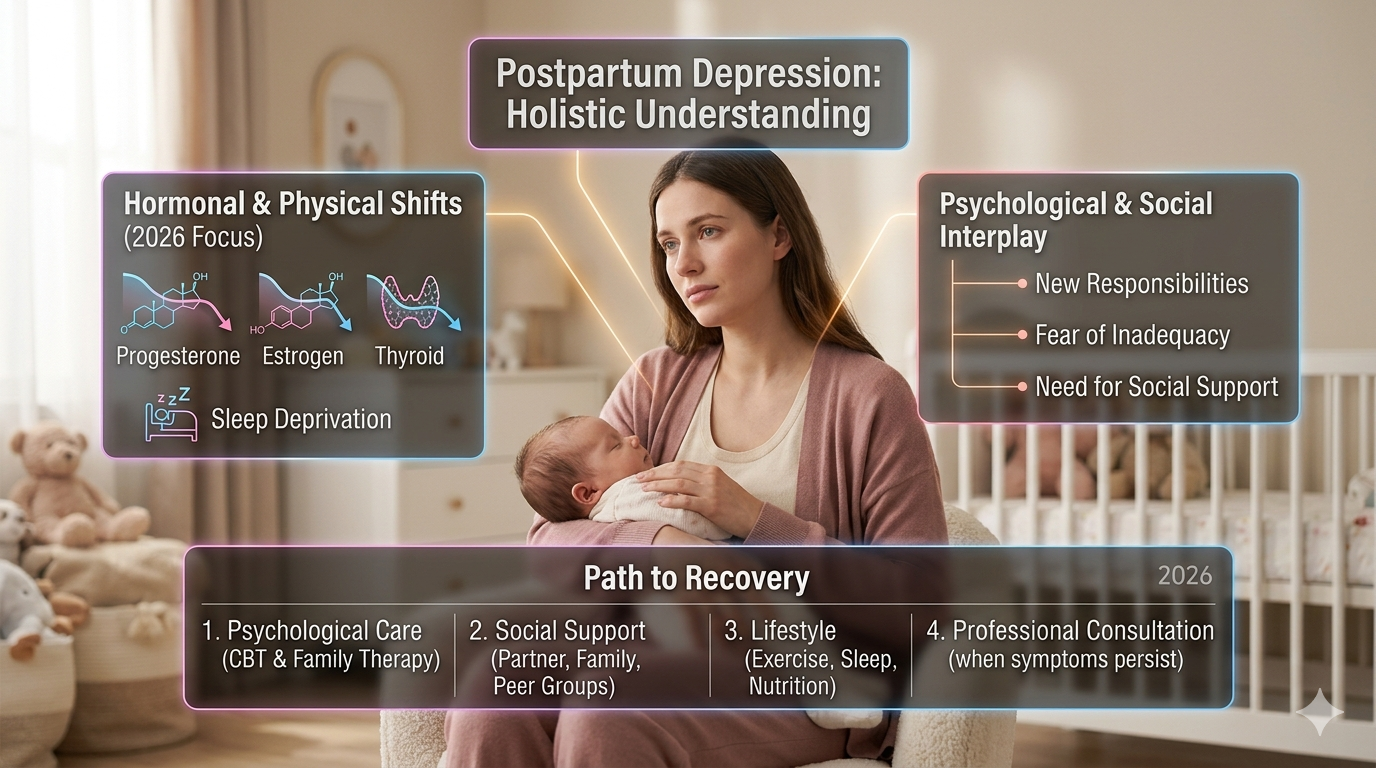
- Postpartum Depression: Occurs after childbirth due to hormonal and psychological changes.
Psychological Causes of Depression
Psychological Trauma and Chronic Stress
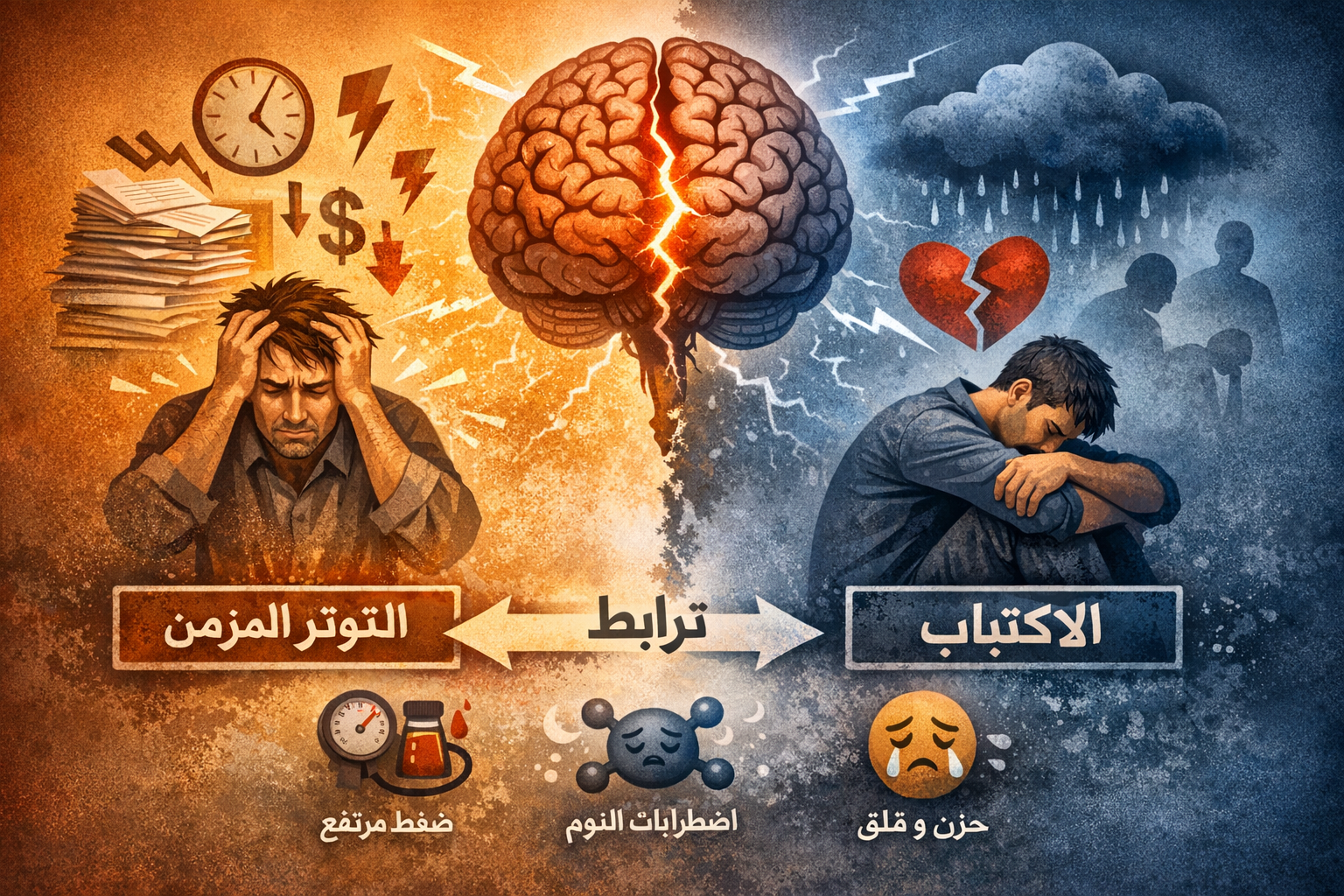
Experiencing psychological trauma, such as losing a loved one, abuse, or continuous stress at work or school, is a major cause of depression. Chronic stress alters brain chemistry, leading to mood disorders.
Persistent Anxiety and Emotional Mismanagement
People with chronic anxiety or difficulty expressing their emotions are more prone to developing depression.
Highly Sensitive Personalities
Individuals with highly sensitive personalities tend to overthink and ruminate, making them more vulnerable to depression when facing life challenges.
Physical Causes of Depression
Hormonal Changes
Changes in body hormones, such as thyroid hormones, cortisol, and postpartum hormones, can cause mood disturbances and depression.
Chronic Illnesses
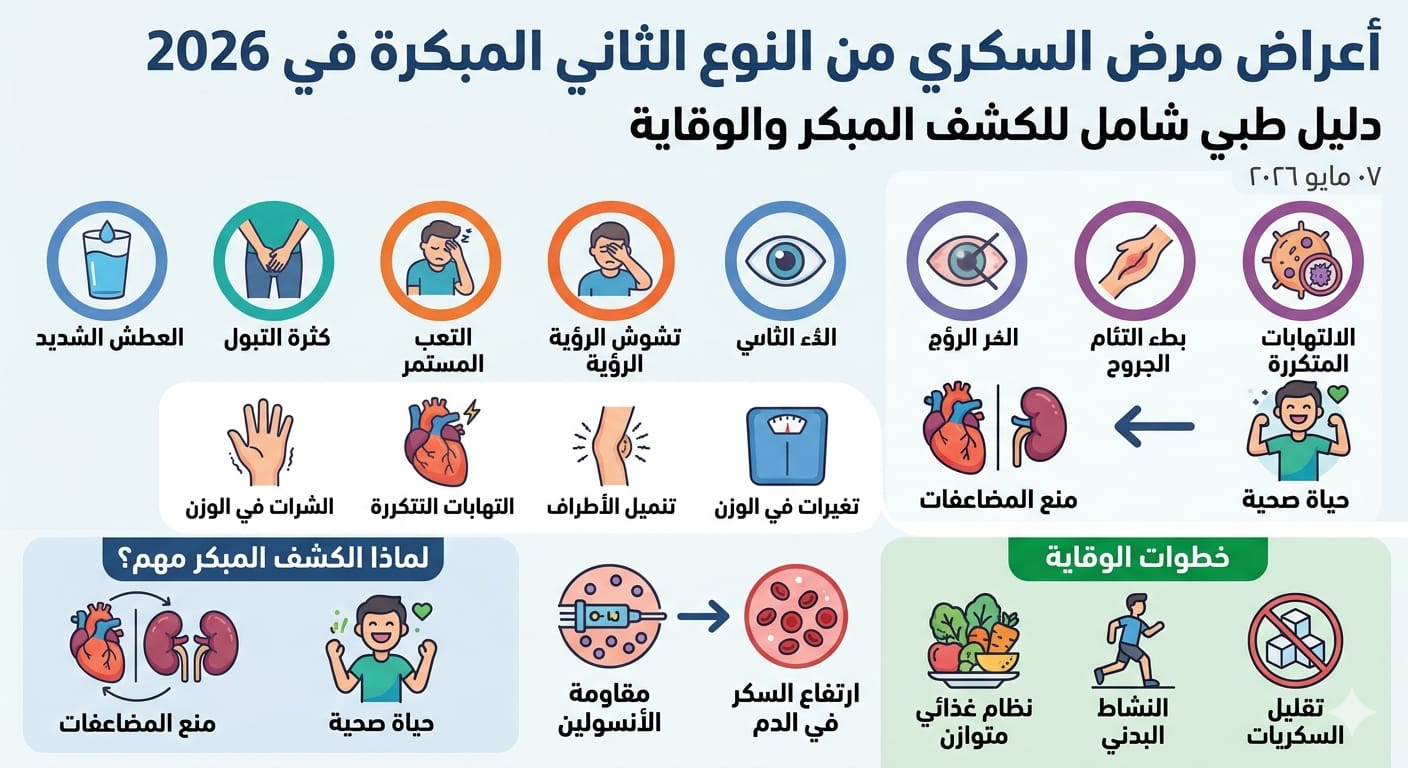
Diseases like diabetes, heart disease, cancer, or chronic pain can lead to depression due to ongoing physical and psychological stress.
Deficiency of Brain Chemicals
Lack of chemicals such as serotonin and dopamine, which regulate happiness and motivation, increases the risk of depression.
Environmental and Social Factors
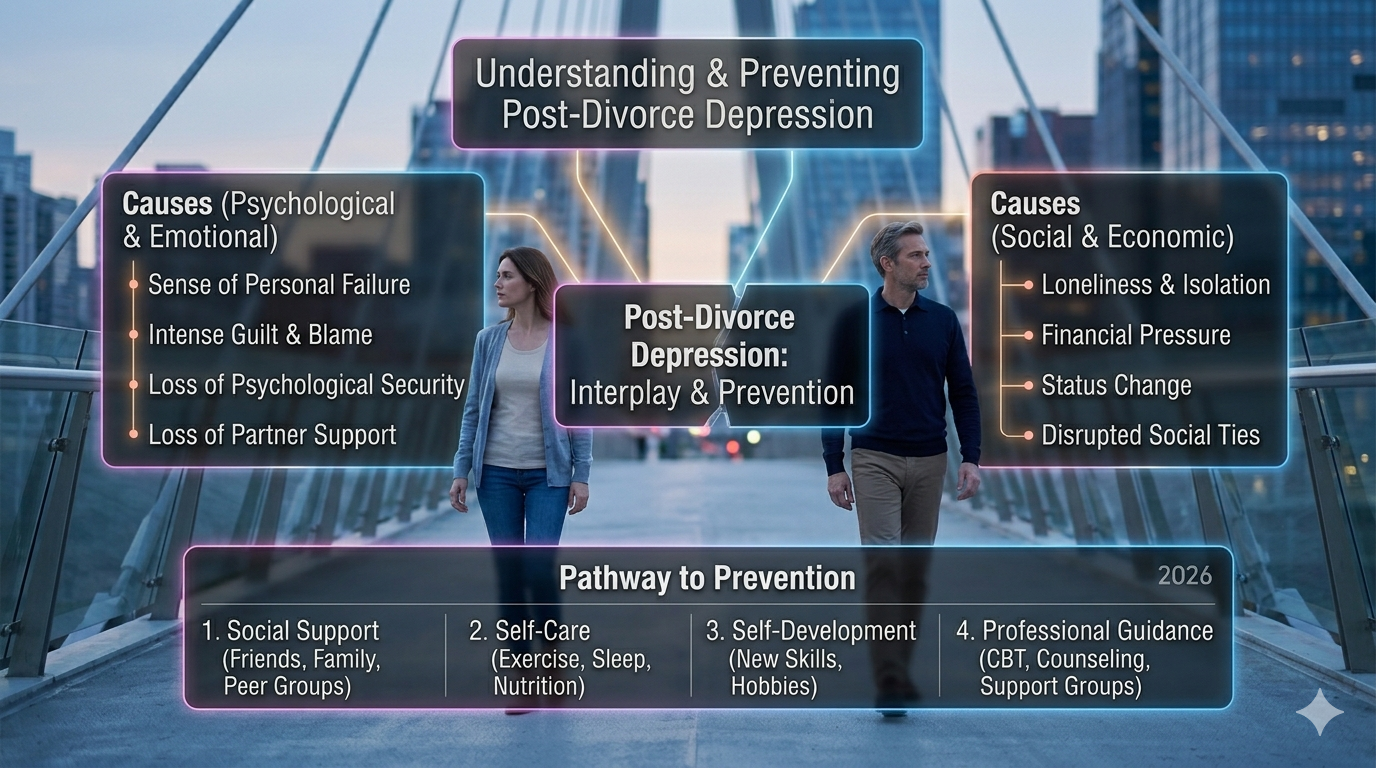
- Economic and social pressures: Poverty, unemployment, or financial insecurity can contribute to depression.
- Social isolation: Weak social connections or feelings of loneliness increase susceptibility.
- Cultural and media influences: Continuous exposure to negative news or social comparisons can lead to feelings of hopelessness.
Psychological and Physical Symptoms of Depression
Psychological Symptoms
- Loss of interest and pleasure
- Feelings of guilt or worthlessness
- Difficulty concentrating and decision-making
Physical Symptoms
- Sleep disturbances (insomnia or oversleeping)
- Appetite and weight changes
- Persistent fatigue or unexplained aches
Diagnosing Depression
Diagnosis usually involves psychological questionnaires and medical tests to exclude physical causes. Common tools include:
- Beck Depression Inventory (BDI)
- Hamilton Depression Rating Scale (HDRS)
Ways to Prevent Depression
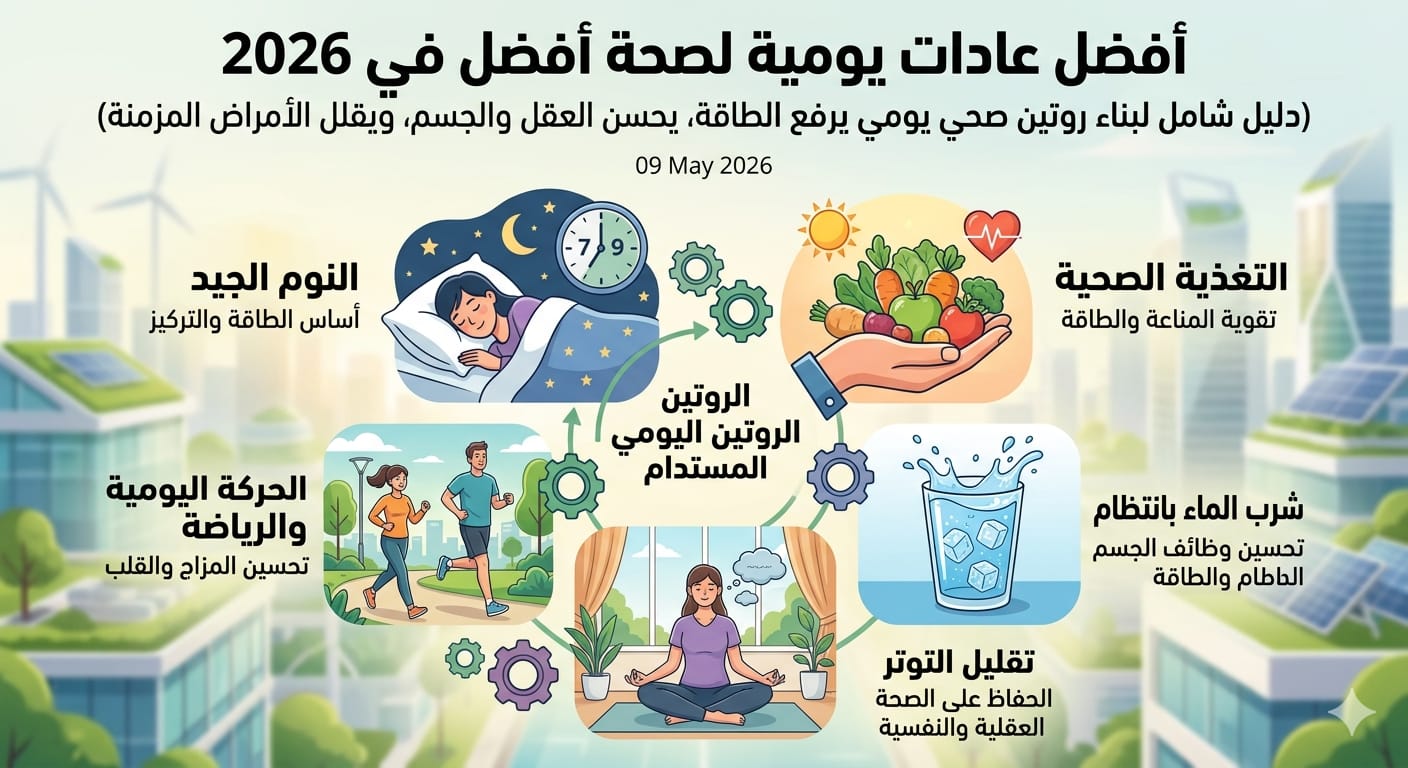
- Stress and anxiety management: Through meditation, yoga, or regular exercise.
- Adequate sleep: Maintaining a consistent sleep schedule helps mood regulation.
- Social interaction: Maintaining positive relationships and family support.
- Healthy diet: Foods rich in omega-3, vitamins, and minerals.
- Early psychological counseling: Prevents progression of depressive symptoms.
Treating Depression
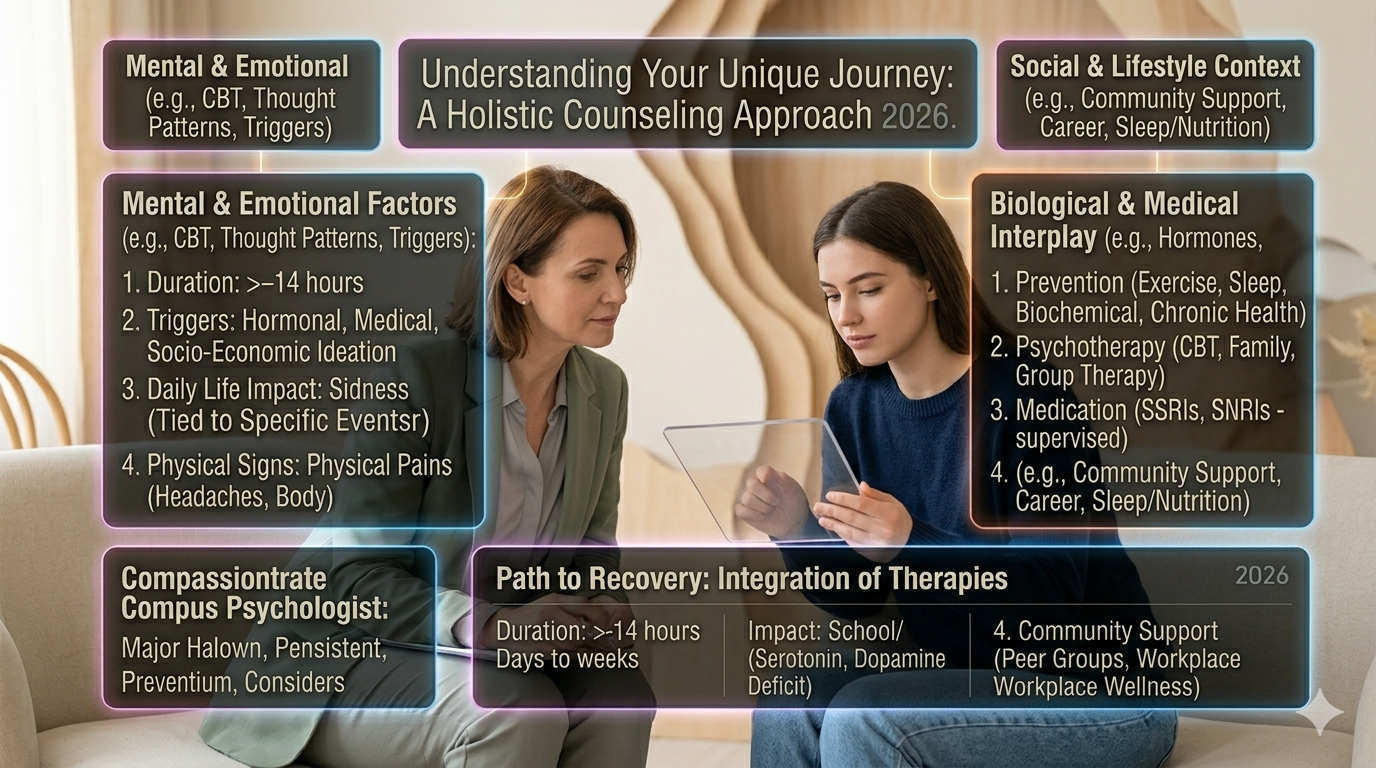
Psychological Therapy
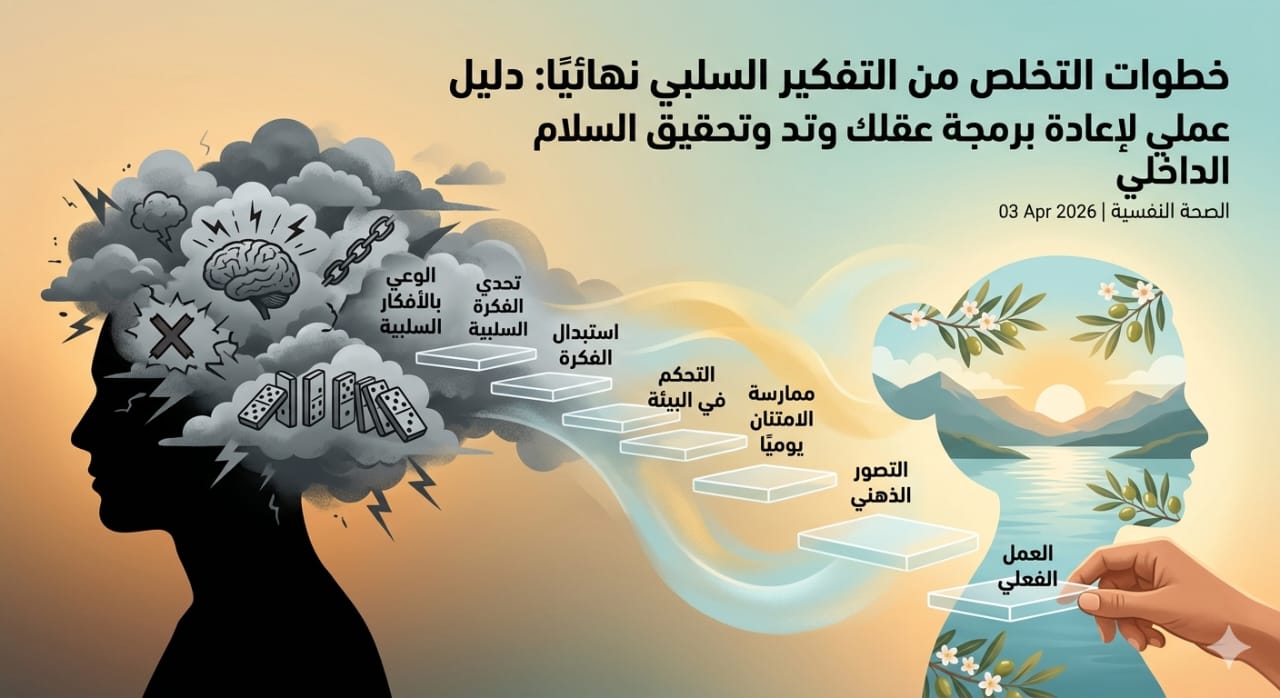
- Cognitive Behavioral Therapy (CBT): Helps change negative thought patterns.
- Group or individual therapy: Provides social support and coping skills.
Medication
- Antidepressants like SSRIs or SNRIs regulate neurotransmitter levels in the brain.
Supportive Approaches
- Regular physical activity
- Engaging in enjoyable activities
- Maintaining a healthy lifestyle
Conclusion
Depression is a complex condition influenced by psychological, physical, and environmental factors. Understanding its causes helps in prevention and treatment. Early diagnosis, psychological and social support, and appropriate therapy can significantly reduce depression's impact and restore quality of life.