America's healthcare system for immigrants 2026: A comprehensive guide to understanding insurance, treatment, and costs
Technology
Understanding Health Insurance, Treatment, and Healthcare Costs in the United States (2026 Guide for Immigrants)
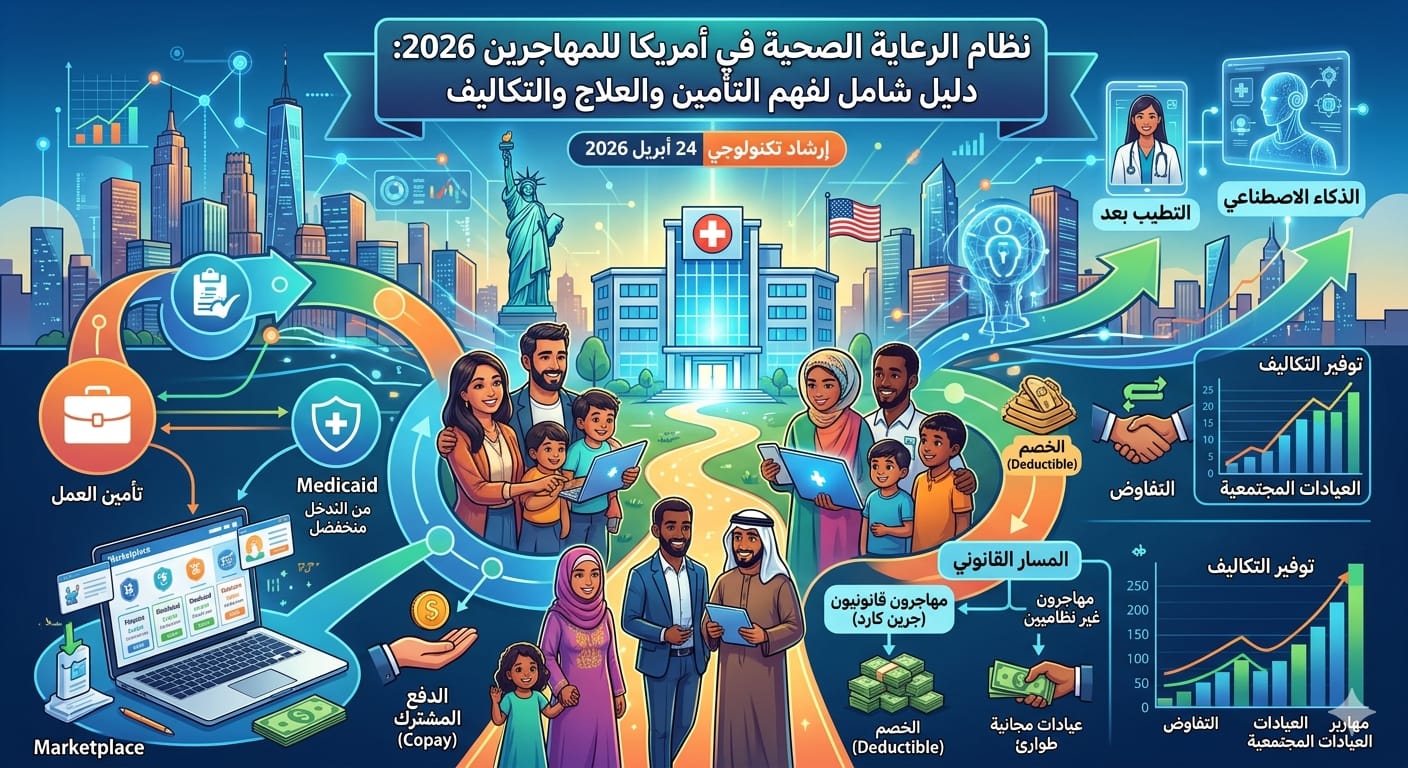
The U.S. healthcare system for immigrants is heavily based on health insurance, whether through employment or government programs like Medicaid and the Marketplace. Coverage depends on legal status and income, and healthcare costs are extremely high without insurance. This makes choosing the right plan essential to avoid medical debt.
Introduction — Why Understanding the U.S. Healthcare System Matters for Every Immigrant
The United States has one of the most complex healthcare systems in the world, especially for new immigrants who are not used to insurance-based medical care instead of free or government-funded healthcare.
Many immigrants face financial shock due to misunderstanding how the system works, resulting in medical bills that can reach thousands of dollars. In 2026, not understanding the system is no longer an option—it is a serious financial risk. Understanding healthcare is not a luxury; it is a survival skill for living in the U.S. This guide provides a practical breakdown to help you make smart healthcare decisions.
How the U.S. Healthcare System Works (Simple Explanation)
The U.S. healthcare system is not fully government-based. It is a mixed system combining private healthcare providers and public programs. Most medical services are not free and are paid through insurance or out-of-pocket. Insurance companies act as intermediaries between patients and hospitals, deciding what is covered and what is not.
Each plan includes terms such as:
- Deductible: Amount you pay before insurance starts covering costs.
- Copay: Fixed amount paid per medical visit (e.g., $20–$50).
- Out-of-Pocket Maximum: The maximum you pay in a year before insurance covers 100%.
Understanding these terms is essential to avoid unexpected costs.
Difference Between the U.S. and Other Countries
In many countries, healthcare is free or government-subsidized. In the U.S., healthcare is largely market-based. This means: High-quality care but very high costs, and a strong dependence on insurance. Financial healthcare management is a core part of life in America.
Types of Health Insurance Available for Immigrants
Immigrants in the U.S. have several insurance options depending on income, job type, and legal status.
Employer-Sponsored Insurance
- Provided through your job
- Employer pays part of the cost
- Usually good coverage
- Lost if you leave the job
Medicaid (Government Insurance)
- Designed for low-income individuals
- Availability depends on state and eligibility
- Very low cost or free
- Strict income and legal requirements
Marketplace Insurance (ACA Plans)
- Government-run insurance marketplace
- Offers financial subsidies based on income
- Ideal for freelancers or self-employed individuals
- Requires careful plan comparison
Who Is Eligible for Healthcare as an Immigrant?
Eligibility depends on immigration status.
Legal Immigrants
- Green card holders can access most insurance options
- Eligible for Marketplace and employer insurance
- May qualify for Medicaid after meeting requirements
Undocumented Immigrants
- Not eligible for most government programs
- Can use emergency care and community clinics
- May access private insurance in limited cases
The Real Cost of Healthcare in the U.S.
Healthcare in the U.S. is among the most expensive in the world.
Without Insurance
- Doctor visit: $100–$300
- Emergency room: $1,000+
- Hospital stay: thousands per day
With Insurance
- Reduced costs
- Still includes deductibles and copays
- Significant savings overall
Insurance is essential to avoid financial collapse.
Smart Strategies to Reduce Healthcare Costs (Up to 70%)
- Use community health centers
- Negotiate medical bills
- Use prescription discount programs
- Compare hospitals before treatment
Emergency Healthcare for Immigrants
Emergency care is legally required in the U.S., even without insurance.
What to do: Go immediately to the ER, receive treatment first, and deal with billing later. You can negotiate bills after treatment.
Future of Healthcare in the U.S. (2026–2030)
- Telehealth growth
- AI-driven diagnostics
- Increased digital healthcare services
- Continued cost challenges
People Also Ask (FAQ)
Can you live in the U.S. without health insurance?
Yes, but it comes with very high financial risk if you need medical care.
What is the best way to reduce medical bills?
Negotiation, using community/free clinics, and choosing the right insurance plan.
Is healthcare free for immigrants in the U.S.?
No, healthcare is insurance-based, but some limited public and charity programs exist.
Conclusion
The U.S. healthcare system is not impossible to understand—but it requires strategy. Smart immigrants treat healthcare as a financial system, not just a service. In 2026, success is not just about earning money—it is about protecting it from medical debt. 👉 Key principle: Knowledge is your strongest insurance.