Why Do You Feel Mentally Exhausted Even Without Physical Effort? The Shocking Truth Draining Your Mind Every Day
Mental Health
Discover the hidden causes of mental exhaustion despite low physical effort, and learn how social media, overthinking, digital work, and poor sleep silently drain your psychological energy and focus.
Causes of Mental Exhaustion Despite Low Physical Effort and Why the Mind Has Become More Tired Than the Body
Introduction
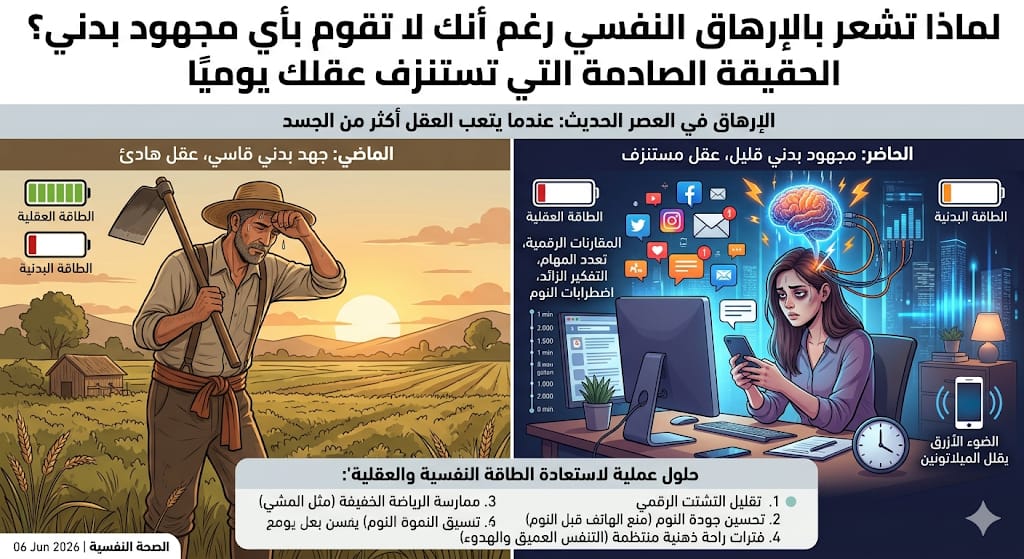
In the past, people usually felt tired after hard labor, physical movement, or exhausting daily activities. Today, however, the nature of exhaustion has completely changed. Many people spend long hours sitting at home or in front of computers and smartphones, yet they still experience severe mental fatigue as if they had completed intense physical work. This condition has become extremely common in modern society, and millions of people search every day for the causes of mental exhaustion despite low physical effort and for practical ways to restore their mental and emotional energy.
The dangerous part is that psychological exhaustion often appears gradually. It may begin as low motivation, poor concentration, emotional heaviness, or a constant desire to isolate and sleep. Over time, this exhaustion develops into chronic mental stress that affects work performance, relationships, emotional stability, and overall mental health.
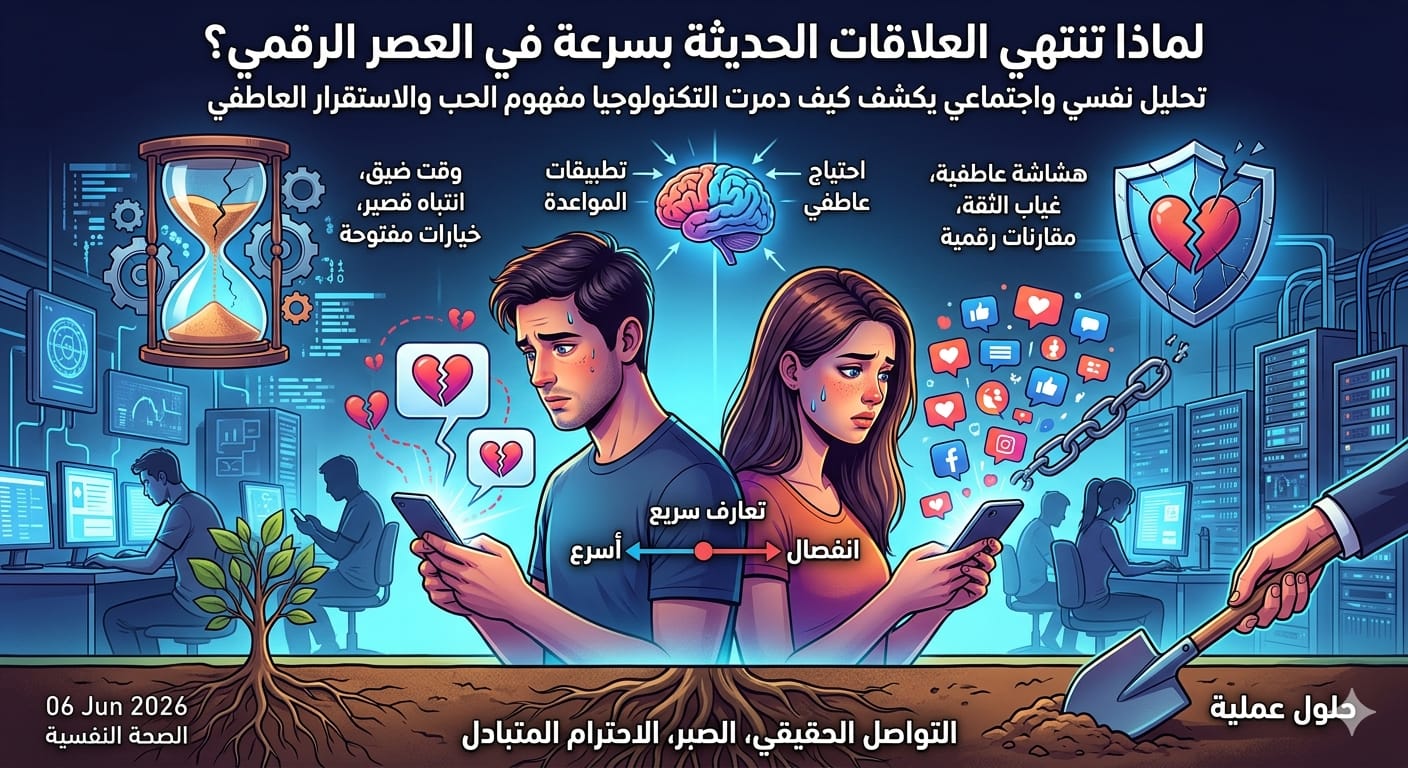
Modern life has forced the human brain to function in ways it was never designed for. The mind is now exposed daily to endless information, notifications, digital comparisons, social pressure, and invisible emotional stress. All of this silently drains mental energy even when the body remains physically inactive. As a result, mental exhaustion has become one of the most common psychological problems in the United States, Europe, and across the world, especially among young adults and digital workers.
In this article, we will deeply explore the causes of mental exhaustion despite low physical effort, and explain how technology, social media, overthinking, digital work, sleep disorders, and chronic stress affect the brain and emotional balance.
How Does the Brain Drain Your Energy Even While Sitting?
Most people associate exhaustion with physical labor, but scientific research confirms that the brain is one of the body’s highest energy-consuming organs. The human mind constantly uses glucose and oxygen for thinking, decision-making, analysis, and processing information. That is why a person may feel mentally drained even after spending the entire day sitting.
The digital age keeps the brain in a permanent state of alertness. Smartphones continuously send notifications, social media delivers endless streams of content, and digital work requires constant focus. As a result, the brain consumes mental energy nonstop without receiving real moments of recovery.
The problem becomes even worse because the brain rarely experiences true silence anymore. Many people check their phones immediately after waking up and right before sleeping, forcing the mind to move from one stimulation source to another without rest. In addition, constant worrying about the future, social comparisons, and personal problems keeps the brain overactive. Over time, this continuous activity gradually drains emotional and cognitive energy until the individual reaches a state of mental burnout.
Why Is Overthinking One of the Most Dangerous Causes of Mental Fatigue?
Overthinking is one of the hidden reasons behind modern psychological exhaustion. When people spend hours analyzing the future, replaying past mistakes, or worrying about daily decisions, the brain remains in a constant state of energy consumption. The human mind needs moments of calmness to restore emotional balance, but excessive thinking prevents the brain from entering a relaxed state. That is why many individuals feel mentally exhausted even during days when they accomplish very little physically.
The Impact of Social Media on Modern Mental Exhaustion
Social media platforms have become a central part of everyday life, but they are also one of the biggest causes of mental fatigue today. Users spend hours scrolling through videos, photos, news, and endless social comparisons without realizing how deeply this affects their psychological health. Social media keeps the brain constantly stimulated because of the fast-moving nature of digital content. Within minutes, the mind jumps between emotions, opinions, stories, and visual information, creating severe cognitive overload.
How Do Digital Comparisons Damage Mental Health?
Digital comparison has become a daily habit for millions of people. Users open social media and instantly see others traveling, succeeding, or living seemingly perfect lives. Naturally, the brain begins comparing personal reality to what appears on the screen. These comparisons increase internal stress and emotional dissatisfaction. Over time, individuals lose psychological energy trying to reach unrealistic standards created by online culture.
Why Does Digital Work Cause Severe Mental Fatigue?
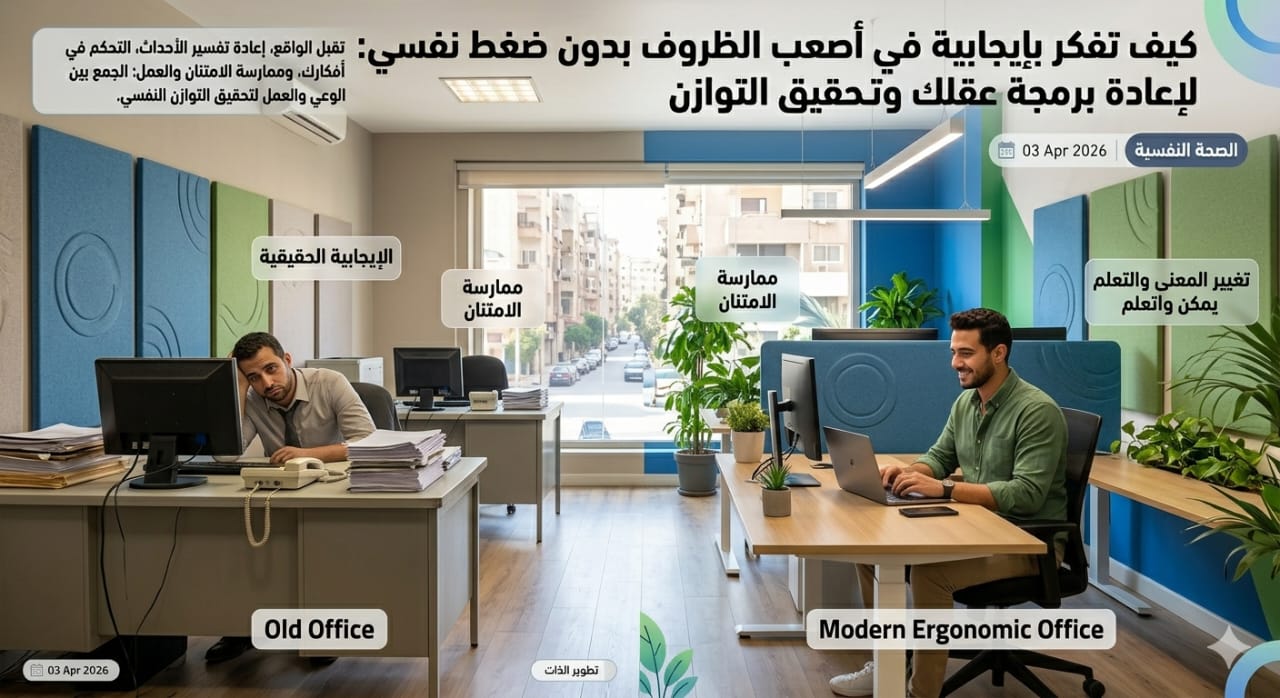
Many people believe office jobs and digital careers are comfortable because they require little physical movement. However, mental work can sometimes be more exhausting than physical labor. Modern employees constantly deal with emails, meetings, deadlines, multitasking, and productivity pressure. During digital work, the mind continuously analyzes information, solves problems, and makes decisions. This explains why many workers feel emotionally exhausted after sitting at a desk all day.
How Does Multitasking Exhaust the Brain?
Multitasking may appear productive, but neuroscience shows that it significantly drains mental energy. Every time the brain switches between emails, meetings, and tasks, it must refocus from the beginning. This constant switching creates cognitive overload, reducing concentration and increasing emotional exhaustion.
Sleep Disorders and Their Connection to Mental Exhaustion
Sleep is not only physical rest; it is also a complete recovery process for the brain and nervous system. Unfortunately, many people today suffer from poor sleep quality because of smartphones, stress, anxiety, and overthinking. Even if someone sleeps for many hours, they may still wake up mentally exhausted because the brain failed to enter deep restorative sleep stages.
Why Do Smartphones Disrupt Sleep?
Smartphones constantly send signals that keep the brain active. Blue light exposure and constant digital stimulation keep the brain alert instead of relaxed. This reduces sleep quality and increases mental fatigue the following day. Reducing smartphone usage one hour before bedtime can significantly improve sleep quality and restore mental energy.
Silent Psychological Pressure That Drains Energy Daily
Not all psychological stress comes from major life crises. Sometimes exhaustion develops because of accumulated responsibilities, fear of failure, and future uncertainty. This hidden form of stress turns into chronic mental exhaustion that affects mood and emotional stability. When the brain remains under stress, the body continuously releases stress hormones such as cortisol, creating emotional fatigue even during calm situations.
Why Does Chronic Anxiety Exhaust the Mind?
Anxiety forces the brain to constantly predict danger and prepare for problems that may never happen. This continuous mental activity drains emotional energy and weakens concentration. Learning how to manage anxiety and focus only on realistic problems can greatly reduce psychological stress.
Best Practical Solutions to Reduce Mental Exhaustion
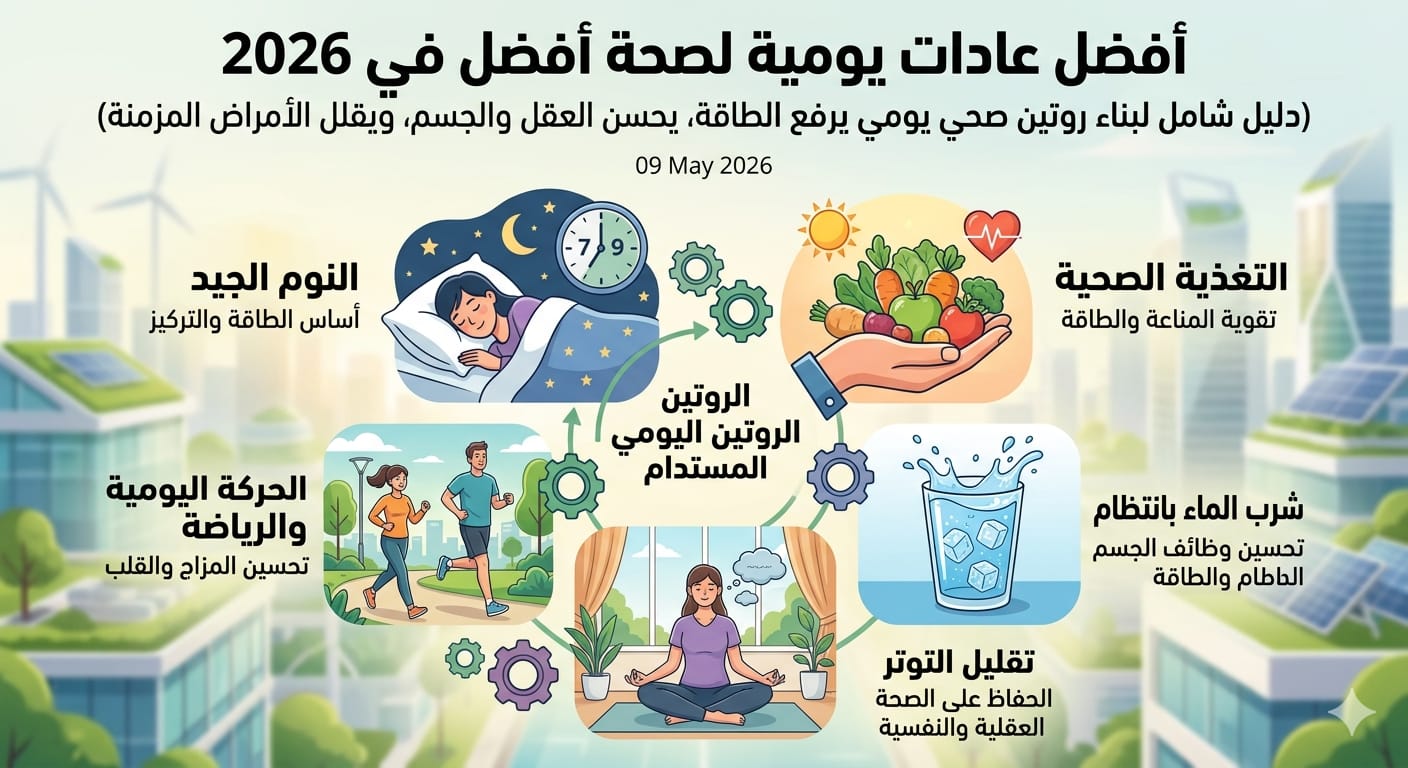
Recovering from mental exhaustion begins with identifying the real causes. One of the first steps is reducing digital distractions and giving the brain moments of silence. Improving sleep quality is also essential; consistent sleep schedules help the brain recover from daily stress. Light physical activity such as walking can lower stress hormones and improve emotional well-being.
Daily Habits That Restore Mental Energy
Spending daily time away from social media helps the brain recover from constant stimulation. Writing thoughts and emotions, practicing deep breathing, and meditation are effective techniques for calming mental activity. Healthy food, proper hydration, and quality sleep are essential foundations for maintaining strong mental health.
What Causes Mental Exhaustion Despite Low Physical Effort?
The main causes include overthinking, chronic stress, social media overload, digital work pressure, poor sleep quality, multitasking, and constant social comparison.
FAQ – People Also Ask?
Why do I feel mentally exhausted all the time?
Mental exhaustion is often caused by chronic stress, overthinking, digital overload, and emotional pressure from daily responsibilities.
Can mental exhaustion cause physical symptoms?
Yes. Mental fatigue may lead to headaches, muscle tension, sleep disorders, and emotional burnout.
How can I reduce mental fatigue quickly?
Improving sleep quality, reducing screen time, and taking regular mental breaks can significantly reduce cognitive exhaustion.
Does social media increase mental exhaustion?
Yes. Excessive social media usage increases anxiety, social comparison, and emotional overstimulation.
Conclusion
Mental exhaustion has become one of the most common problems of modern life because of digital pressure and overthinking. Today, a person may spend the entire day physically inactive while mentally draining all cognitive energy. Understanding these causes is the first step toward protecting mental health. Reducing digital overload and improving sleep are now essential for long-term psychological well-being.