Why Mushrooms Are a Superfood: Their Nutritional Value, Benefits, and How to Grow Them Yourself
Food Health Benefits
It is not an essential nutrient, which makes it highly valuable.
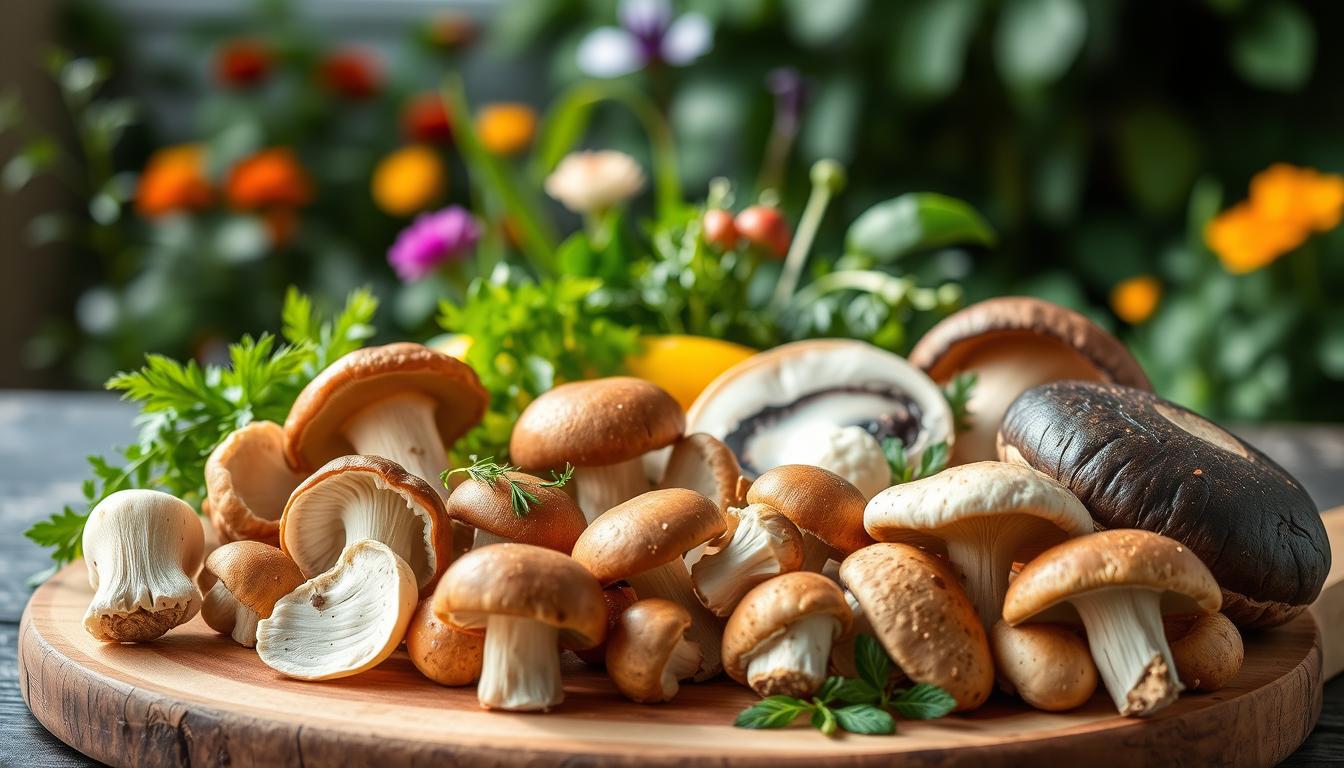
Mushrooms are known for being a rich source of vitamins and minerals, such as vitamin D and potassium, in addition to containing antioxidants.
Consuming mushrooms can help enhance overall health, as they contribute to strengthening the immune system and improving heart health.
Key Takeaways
- Mushrooms are rich in essential nutrients.
- They contain antioxidants.
- They contribute to enhancing overall health.
- They can be easily grown at home.
- They have multiple health benefits.
The High Nutritional Value of Mushrooms and Why They Are Considered a Superfood
Mushrooms are considered a superfood due to their high nutritional value. They contain a wide range of essential nutrients that make them ideal for a healthy diet.

Mushrooms are known for being a rich source of vitamins and minerals, such as vitamin D and potassium, in addition to containing antioxidants.
Consuming mushrooms can help enhance overall health, as they contribute to strengthening the immune system and improving heart health.
Key Takeaways
- Mushrooms are rich in essential nutrients.
- They contain antioxidants.
- They contribute to enhancing overall health.
- They can be easily grown at home.
- They have multiple health benefits.
The High Nutritional Value of Mushrooms and Why They Are Considered a Superfood
Mushrooms are considered a superfood due to their high nutritional value. They contain a wide range of essential nutrients that make them ideal for a healthy diet.
How Mushrooms Help Boost Immunity Naturally
Consuming mushrooms regularly can help enhance the body’s ability to fight diseases. Mushrooms are rich in compounds that boost immunity and support immune system health.
Immune-Boosting Active Compounds in Mushrooms
Mushrooms contain a variety of active compounds such as beta-glucans, which play an important role in enhancing immune cell activity. These compounds help activate immune cells such as macrophages and natural killer cells, thereby improving the body’s ability to fight infections and diseases.
How to Consume Mushrooms to Improve Immune Function
Mushrooms can be consumed in various ways to improve immune function. They can be added to soups and salads, or eaten cooked. It is recommended to consume an appropriate amount of mushrooms regularly to effectively boost immunity.
By incorporating mushrooms into the daily diet, the body’s ability to fight diseases can be enhanced and overall health improved.
The Role of Mushrooms in Improving Heart and Blood Vessel Health
Mushrooms play an important role in improving heart and blood vessel health thanks to their unique nutritional composition. They contain many nutrients that contribute to heart health and reduce the risk of cardiovascular diseases.
One of the most important heart health benefits of mushrooms is their effect on cholesterol levels. Studies have shown that consuming mushrooms can help lower harmful cholesterol levels in the blood, reducing the risk of heart disease.
The Effect of Mushrooms on Cholesterol Levels
Mushrooms are rich in dietary fiber, which plays a role in lowering cholesterol levels. They also contain compounds such as beta-glucans that help reduce cholesterol absorption in the intestines.
The Role of Mushrooms in Regulating Blood Pressure
In addition to their effect on cholesterol, mushrooms help regulate blood pressure. They contain potassium, which helps balance the effects of sodium in the body and thus helps reduce high blood pressure.
In this way, mushrooms play a multifaceted role in improving heart and blood vessel health, making them a valuable addition to a healthy diet.
Benefits of Mushrooms for Digestive Health and Overall Wellness
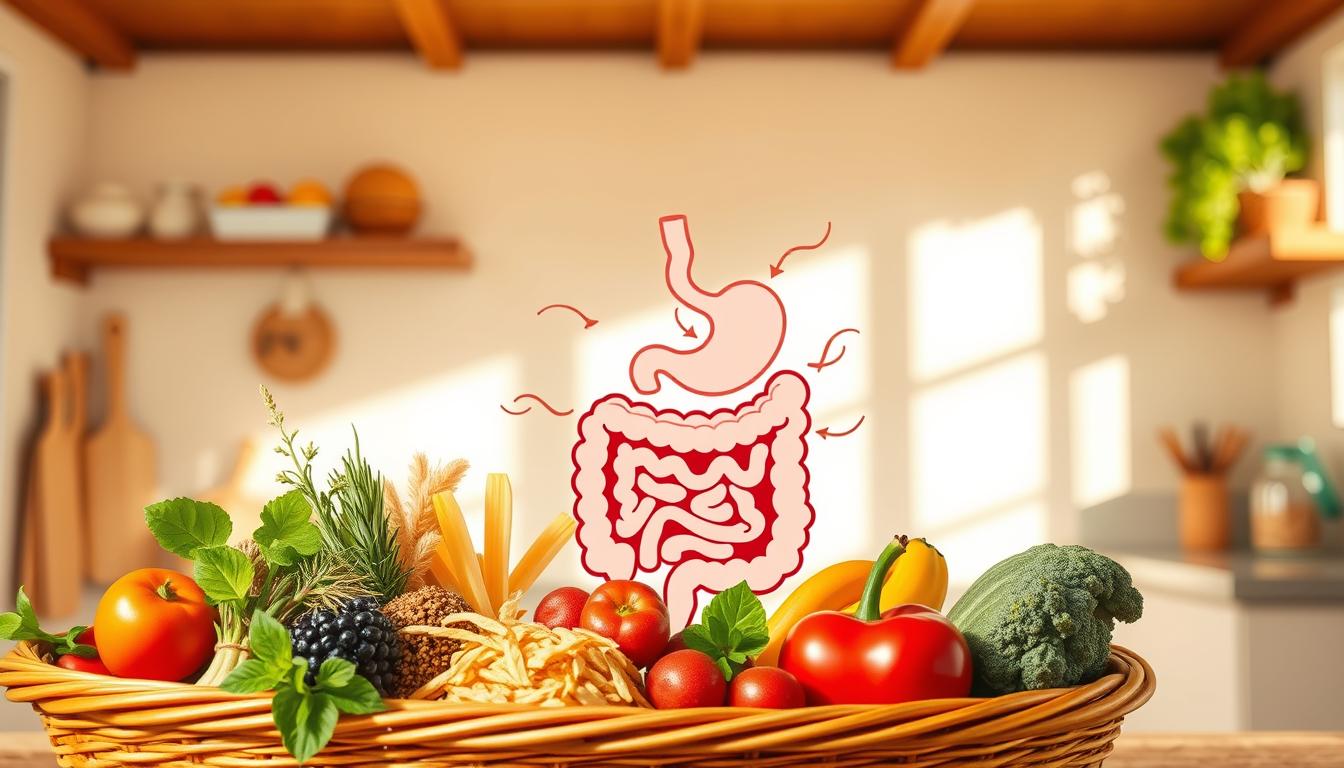
Mushrooms are rich in dietary fiber, which plays an important role in promoting digestive health. The fiber in mushrooms helps improve digestion and reduce constipation.
Dietary Fiber in Mushrooms and Its Importance for Digestion
Mushrooms contain a high amount of dietary fiber that is essential for gut health. This fiber helps to:
- Promote bowel movement and reduce the risk of constipation
- Feed beneficial gut bacteria
- Reduce the risk of digestive diseases
The Effect of Mushrooms on Beneficial Gut Bacteria
Mushrooms not only help improve digestion but also promote beneficial gut bacteria. These bacteria play an important role in:
- Boosting immunity
- Producing certain vitamins
- Maintaining digestive balance
Therefore, mushrooms are not only a good source of dietary fiber but also have a positive effect on beneficial gut bacteria, enhancing overall digestive health.
The Effect of Mushrooms on Energy Levels in the Body
Mushrooms can naturally help improve energy levels due to their rich content of essential vitamins and minerals that play a key role in energy production.
How Mushrooms Contribute to Energy Production
Mushrooms are a good source of B-complex vitamins, especially riboflavin and niacin, which are crucial for metabolism and energy production. By supporting these vital processes, mushrooms help maintain good energy levels.
Mushrooms as a Healthy Alternative to Energy Boosters
Instead of relying on artificial energy stimulants, mushrooms can be a healthy option for boosting energy. They contain natural compounds that enhance physical and mental performance without the side effects associated with synthetic stimulants.
Thanks to their rich nutritional content, mushrooms can be a valuable addition to the daily diet, contributing to improved energy levels and overall health.
Why Are Mushrooms an Ideal Choice for Healthy Diets?
Mushrooms offer numerous benefits that make them an ideal choice for healthy diets. They can be used in various dietary plans, such as vegetarian and low-carb diets.
Mushrooms in Different Diet Plans
Mushrooms can be used in many different diets. For example, they can be used in vegetarian diets as a meat substitute, and in low-carb diets as an alternative to carbohydrate-rich foods.
Mushrooms are also low in calories, making them an ideal option for people following weight-loss diets.
Benefits of Mushrooms for Those Following a Healthy Diet
Mushrooms are rich in essential nutrients such as protein, fiber, vitamins, and minerals. They also contain antioxidants that help protect the body from diseases.
An expert stated:
"Mushrooms are a superfood that can help enhance overall health and improve quality of life."
Therefore, mushrooms can be a great addition to a healthy diet, providing many health benefits without adding many calories.
Edible Mushroom Types and Their Various Benefits
There are many types of edible mushrooms, each with different nutritional and health benefits. Mushrooms are a rich source of essential nutrients such as protein, fiber, vitamins, and minerals.
The Difference Between White and Brown Mushrooms and Their Nutritional Value
Two common types of edible mushrooms are white and brown mushrooms. White mushrooms have a mild flavor and soft texture, while brown mushrooms have a stronger flavor and firmer texture. Nutritionally, both types contain similar amounts of protein and fiber, but brown mushrooms may contain higher levels of certain antioxidants.
Medicinal Mushroom Types and Their Health Benefits
There are several types of mushrooms used for medicinal purposes due to their therapeutic properties, including:
- Shiitake mushrooms
- Reishi mushrooms
Shiitake Mushrooms and Their Benefits
Shiitake mushrooms are known for their many benefits, as they boost immunity and help fight diseases. They contain compounds that stimulate immune cell production.
Reishi Mushrooms and Their Therapeutic Properties
Reishi mushrooms are among the most well-known medicinal mushrooms. They are used to improve overall health and boost immunity, and contain compounds that help reduce inflammation and improve bodily functions.
In conclusion, the variety of edible mushrooms highlights their diverse benefits, making them a valuable addition to a healthy diet.