Keto Beginner Guide: Simple Steps to Start Keto and Achieve Weight Loss
Food Health Benefits
Embarking on a keto diet can be a transformative journey towards achieving significant weight loss. The ketogenic diet, a high-fat, low-carbohydrate, moderate-protein diet, has been widely recognized for its effectiveness in helping individuals lose weight and improve their overall health.
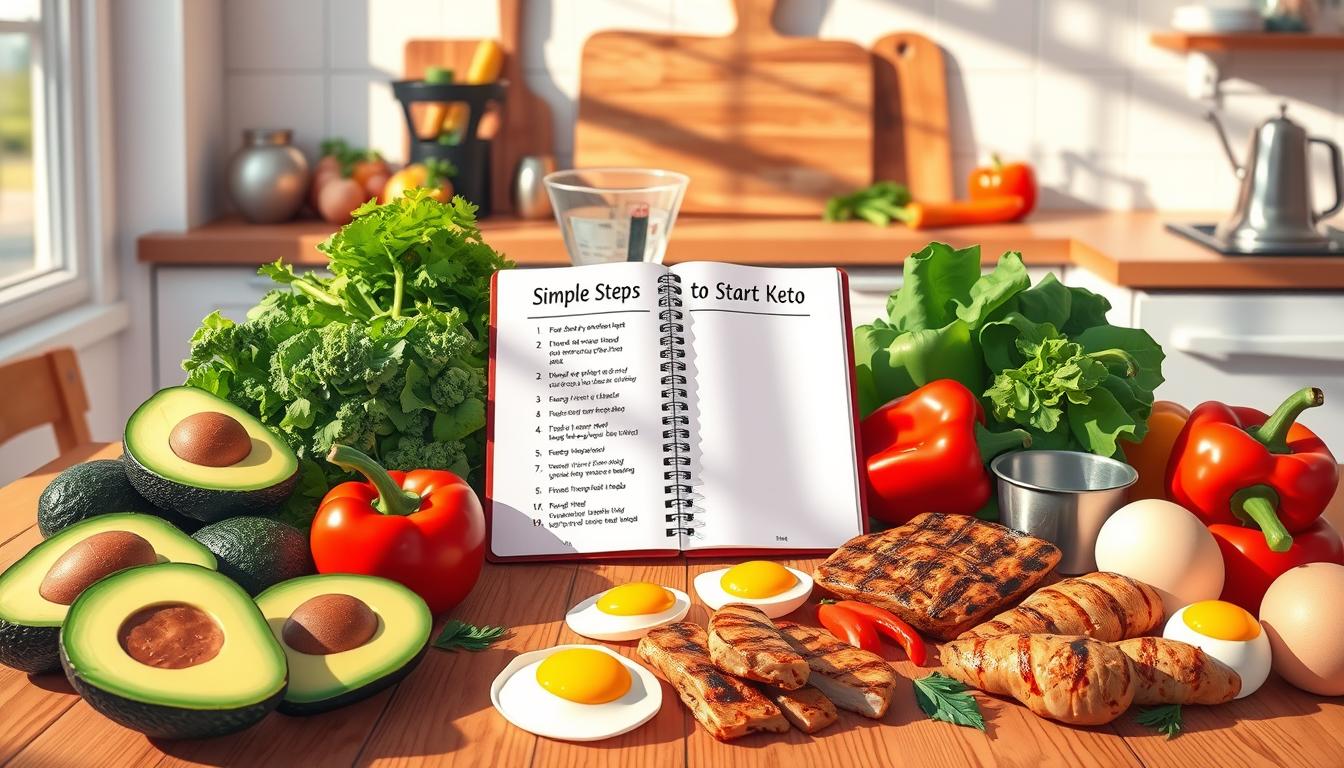
By drastically reducing the intake of carbohydrates and increasing fat consumption, the body is induced into a state of ketosis, where it burns fat for energy instead of carbs. This metabolic shift can lead to substantial weight loss and improved energy levels.
For those looking to start keto, understanding the basics and benefits of the diet is crucial. It's not just about cutting carbs; it's about adopting a new lifestyle that promotes weight loss and overall well-being.
Key Takeaways
- Understanding the keto diet is the first step towards achieving weight loss.
- The keto diet involves a high-fat, low-carbohydrate, moderate-protein intake.
- Inducing ketosis helps the body burn fat for energy.
- Adopting a keto lifestyle can lead to significant weight loss and improved health.
- Starting keto requires a commitment to changing dietary habits.
What is the Keto Diet for Beginners?
For those new to the concept, the keto diet is essentially a low-carb, high-fat diet that aims to put the body into a state of ketosis, where it burns fat for energy instead of carbohydrates. This metabolic state is achieved by drastically reducing the intake of carbohydrates and increasing the consumption of fats, thereby forcing the body to switch from relying on glucose (sugar) for energy to relying on ketones (fat).
Basics of the Keto Diet
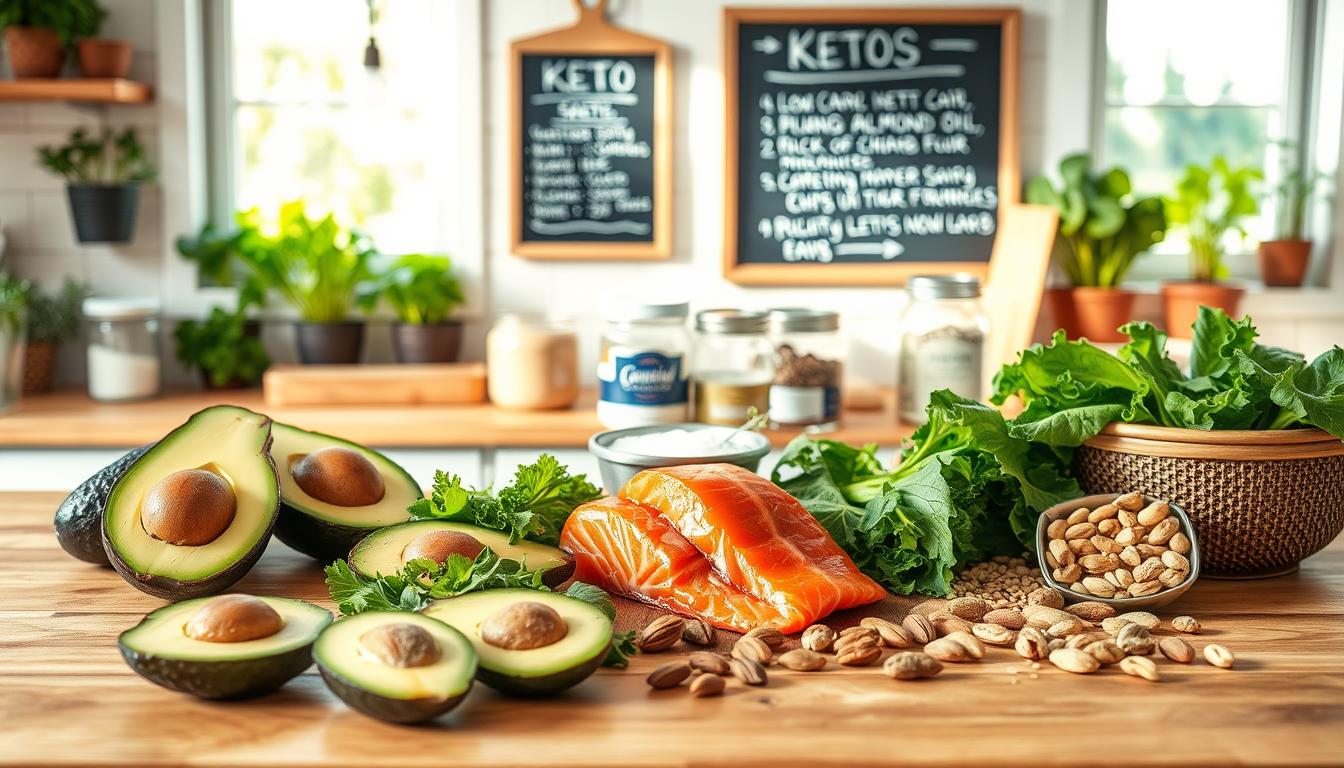
The keto diet is built around a simple yet effective principle: to induce ketosis, a metabolic state where the body burns fat for fuel. To achieve this, the diet involves a significant reduction in carbohydrate intake, moderate consumption of protein, and a high intake of dietary fats. The typical macronutrient breakdown for a keto diet is approximately 70-80% fats, 15-20% proteins, and 5-10% carbohydrates.
The diet focuses on whole, nutrient-dense foods including meats, fish, eggs, full-fat dairy products, oils, and low-carb vegetables. It's crucial for beginners to understand that the quality of the diet is paramount; hence, processed foods and sugars are to be avoided.
Differences Between Keto and Other Diets
One of the key differences between the keto diet and other diets is its focus on achieving ketosis. Unlike low-fat diets that restrict calorie intake, the keto diet promotes a high intake of fats, which can lead to a feeling of fullness and satisfaction, making it easier to adhere to.
Compared to other low-carb diets, the keto diet is distinct in its emphasis on achieving a specific metabolic state. While other diets may focus on weight loss through calorie restriction or portion control, the keto diet works by altering the body's metabolic pathway, making it a unique approach to weight management and overall health improvement.
In summary, the keto diet stands out due to its high-fat, low-carb composition and its goal of inducing ketosis. Understanding these keto diet basics is crucial for beginners to successfully embark on this dietary journey and reap its benefits.
How the Keto Diet Works Inside the Body
When starting the keto diet, the body undergoes a significant metabolic shift. Normally, the body relies on glucose, a carbohydrate-derived energy source, to fuel its various functions. However, the keto diet drastically reduces carbohydrate intake, forcing the body to seek alternative energy sources.
The Process of Ketosis and Fat Burning
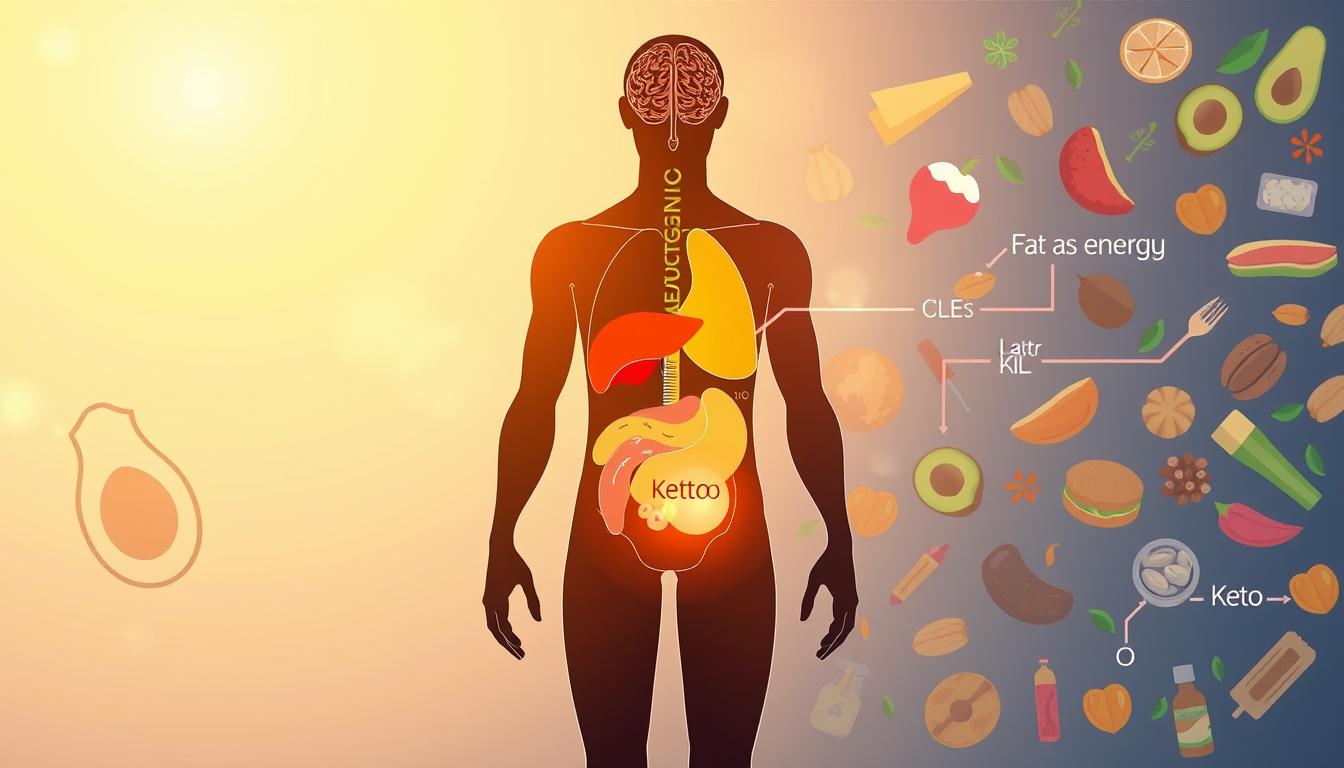
The process of ketosis is initiated when the liver begins to break down fat into molecules called ketones. This occurs due to the reduced availability of glucose. Ketones then become the primary energy source for the body, including the brain, which typically relies heavily on glucose.
The fat burning process is enhanced as the body adapts to using ketones. This adaptation involves various physiological changes that optimize the body's ability to utilize fat for energy. As a result, the body becomes more efficient at burning stored fat, leading to weight loss.
Physiological Stages of the Body During Keto
The body undergoes several physiological stages as it adapts to the keto diet. Initially, the body depletes its glucose stores. Following this, it begins to break down fat, producing ketones in the process. As ketone levels rise, the body starts to use them as its primary energy source.
- The initial stage involves glucose depletion, typically within the first 24-48 hours.
- The second stage is characterized by the onset of ketosis, where the body starts producing ketones.
- In the final stage, the body becomes fully adapted to using ketones, achieving a state of keto-adaptation.
Understanding these stages is crucial for managing expectations and navigating the challenges associated with the keto diet. By recognizing the physiological changes that occur, individuals can better prepare themselves for the journey ahead.
Benefits of the Keto Diet for Beginners in Weight Loss
The keto diet offers numerous benefits for weight loss, particularly for beginners. By drastically reducing carbohydrate intake and increasing fat consumption, the body is induced into a state of ketosis, where it burns fat for energy instead of carbs. This metabolic shift can lead to significant weight loss and other health improvements.
Short-Term Benefits
In the short term, the keto diet can lead to rapid weight loss, often noticeable within the first few weeks. This is partly due to the reduction in water retention as the body depletes its glycogen stores. Additionally, the high-fat diet helps in reducing hunger, making it easier to adhere to a calorie deficit, which is crucial for weight loss.
- Reduced Hunger: High-fat foods are more satiating, reducing the likelihood of overeating.
- Improved Blood Sugar Control: The keto diet can help stabilize blood sugar levels, benefiting individuals with type 2 diabetes.
- Increased Energy: The high-fat diet provides a sustained energy source, reducing the need for carbohydrates.
Long-Term Benefits
Long-term adherence to the keto diet can lead to sustained weight loss and other health benefits. These include improved mental clarity, reduced inflammation, and enhanced overall well-being. The diet's ability to promote fat burning and improve metabolic health can lead to a longer, healthier life.
- Improved Mental Clarity: Many report improved cognitive function and reduced brain fog.
- Reduced Inflammation: The keto diet has been shown to reduce inflammation, a key factor in many chronic diseases.
- Enhanced Metabolic Health: By improving insulin sensitivity and promoting fat burning, the keto diet can enhance metabolic health.
Overall, the keto diet provides a comprehensive approach to weight loss and improved health, offering both short-term and long-term benefits for beginners.
Foods to Avoid on the Keto Diet for Beginners
When starting a keto diet, it's crucial to know which foods to avoid to achieve success. The keto diet is highly restrictive, requiring a significant reduction in carbohydrate intake and a focus on high-fat, moderate-protein foods.
Carbohydrates to Avoid
Carbohydrates are a primary source of energy for the body, but on the keto diet, it's essential to limit carb intake to induce a metabolic state called ketosis. Foods high in carbs to avoid include:
- Sugary foods like cakes, cookies, and candy
- Grains such as wheat, rice, and oats
- Starchy vegetables like potatoes, corn, and peas
- Fruit, especially high-carb fruits like bananas and apples
Processed Foods and Sugars
Processed foods and sugars are not only high in carbs but also contain unhealthy ingredients that can hinder weight loss and overall health. Foods to limit or avoid include:
- Processed meats like sausages and hot dogs, which often contain added sugars and preservatives
- Sugary drinks such as soda, sports drinks, and sweet tea or coffee
- Packaged snacks like chips and crackers, which are typically high in carbs and low in nutrients
By avoiding these foods, individuals on the keto diet can more easily achieve and maintain ketosis, supporting their weight loss goals and improving overall health.
Allowed Foods on the Keto Diet for the First Time
Understanding the foods that are permissible on a keto diet is essential for beginners looking to adopt this lifestyle. The keto diet, which focuses on high-fat, moderate-protein, and low-carbohydrate intake, requires careful selection of foods to achieve and maintain ketosis.
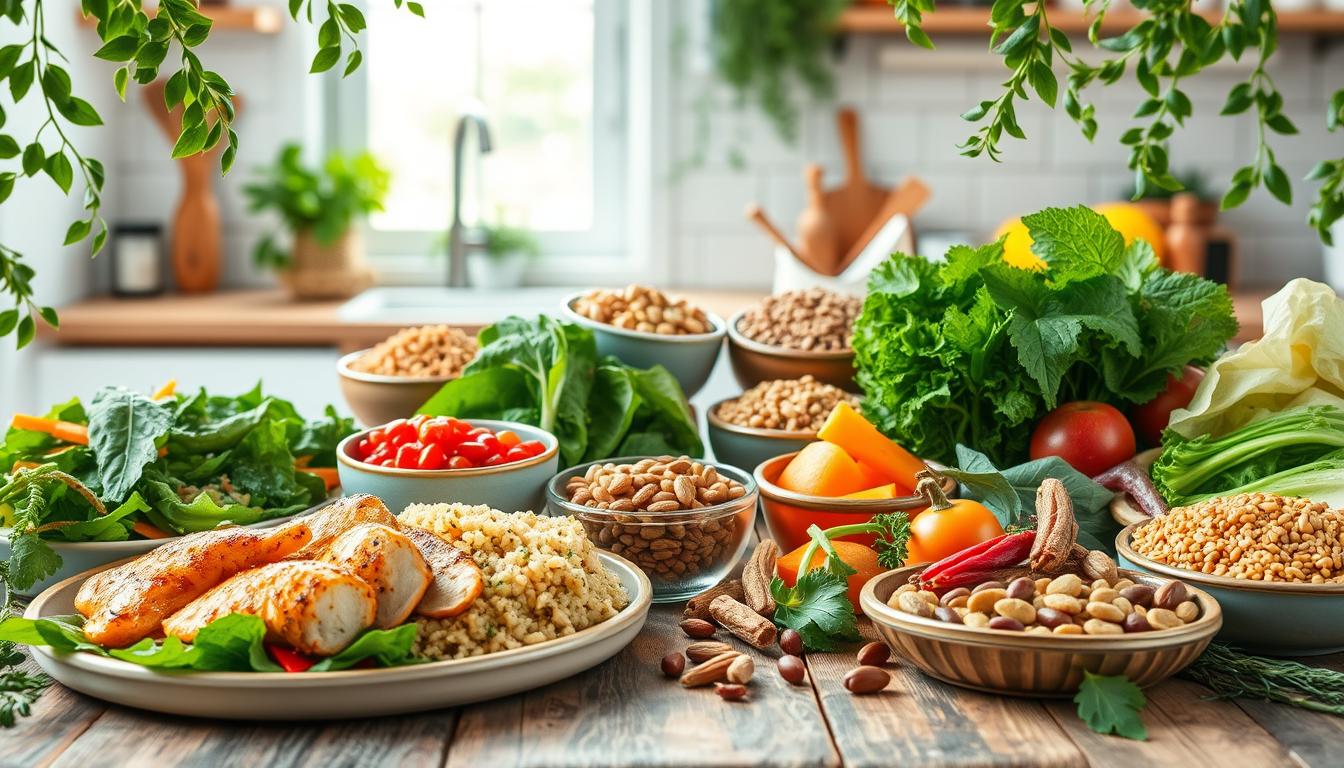
Suitable Proteins for Keto
Protein is a crucial component of the keto diet, providing the body with the necessary building blocks for muscle repair and maintenance. Suitable protein sources include:
- Fatty Fish: Salmon, tuna, and mackerel are not only rich in protein but also in healthy fats.
- Meat: Beef, pork, and lamb are excellent choices, provided they are not breaded or processed.
- Poultry: Chicken and turkey are good options, preferably consumed with the skin on for extra fat.
- Eggs: Eggs are versatile and rich in healthy fats and proteins.
- Tofu and Tempeh: For vegetarians and vegans, tofu and tempeh can be good protein sources, though care should be taken to choose low-carb options.
Low-Carb Vegetables
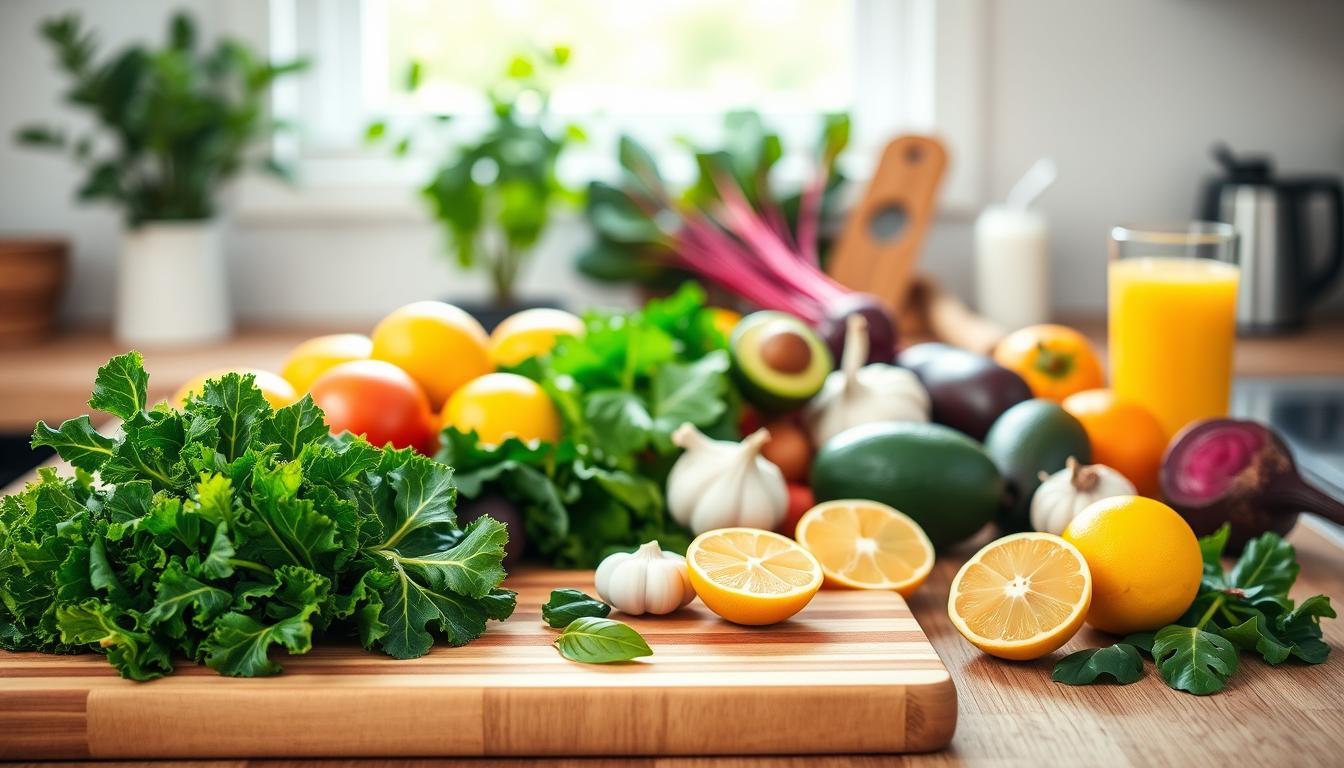
Vegetables are an essential part of a balanced keto diet, providing fiber, vitamins, and minerals. Focus on low-carb options such as:
- Leafy Greens: Spinach, kale, and lettuce are low in carbs and rich in nutrients.
- Cruciferous Vegetables: Broccoli, cauliflower, and Brussels sprouts are nutritious and can be consumed in moderation.
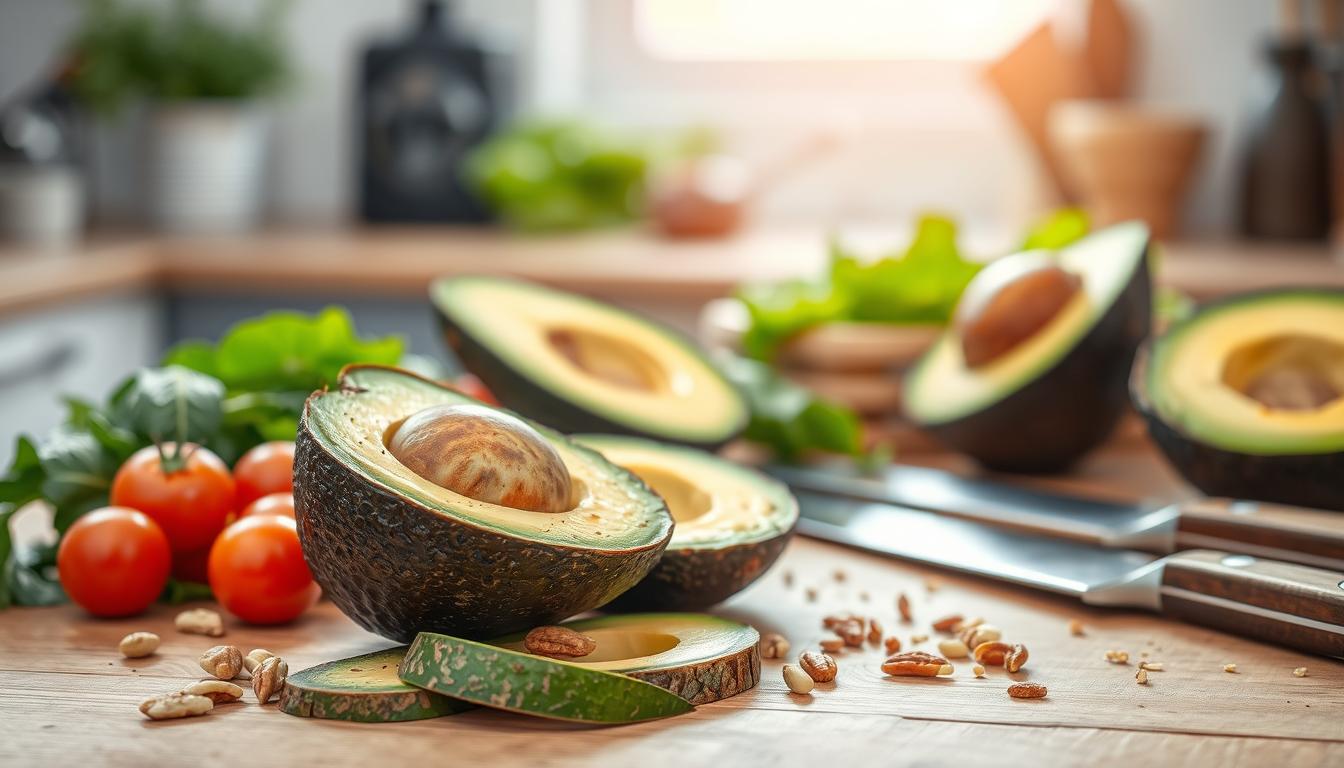
- Avocado: While technically a fruit, avocado is high in healthy fats and low in carbs, making it an ideal keto food.
- Tomatoes: Tomatoes can be consumed in limited quantities due to their carb content.
Healthy Fats Allowed
The keto diet is characterized by high-fat intake, which is crucial for achieving ketosis. Healthy fats include:
- Olive Oil: Rich in monounsaturated fats, olive oil is a staple in many keto diets.
- Coconut Oil: High in saturated fats, coconut oil is versatile and can be used for cooking and baking.
- Avocado Oil: Similar to olive oil, avocado oil is rich in healthy fats and has a high smoke point, making it ideal for cooking.
- Nuts and Seeds: Almonds, walnuts, chia seeds, and flax seeds are good sources of healthy fats, though portion control is necessary due to their carb content.
By focusing on these food groups, individuals new to the keto diet can more easily navigate the transition and set themselves up for success.
How to Calculate Net Carbs on the Keto Diet
For those new to the keto diet, understanding the concept of net carbs and how to calculate them is vital. Net carbs refer to the carbohydrates that are absorbed by the body, which is a critical measure for maintaining ketosis.
Formula for Calculating Net Carbs
To calculate net carbs, you need to understand the basic formula: Total Carbohydrates minus Fiber (and sometimes Sugar Alcohols). The formula looks like this:
Total Carbs - Fiber = Net Carbs
In some cases, sugar alcohols are also subtracted, but this can be more complex as not all sugar alcohols affect blood sugar levels equally.
- Total Carbs: The total amount of carbohydrates in a food item.
- Fiber: Dietary fiber is not fully digested and thus does not contribute to the carb load.
- Sugar Alcohols: These are carbohydrates that have a minimal impact on blood sugar levels.
Apps and Tools for Tracking Carbs
Tracking carb intake can be simplified with the right tools. Here are some popular apps and tools:
- MyFitnessPal: A widely used app for tracking diet and exercise.
- Carb Manager: Specifically designed for keto dieters, it helps track net carbs.
- Cronometer: Offers detailed nutrient tracking, including carbs.
Using these tools can make it easier to stay within keto guidelines by accurately tracking net carb intake.
By mastering the calculation of net carbs and utilizing the right tools, individuals on the keto diet can better manage their carbohydrate intake, ensuring they remain in ketosis and achieve their dietary goals.
Keto Diet Guide for Beginners: Simple Steps to Start Keto and Achieve Weight Loss
Embarking on a keto diet can be a transformative journey for beginners, offering a clear pathway to weight loss and improved health. The key to success lies in understanding the fundamental principles of the keto diet and implementing them effectively.
The keto diet is a low-carb, high-fat diet that aims to put the body into a state of ketosis, where it burns fat for energy instead of carbohydrates. This metabolic shift can lead to significant weight loss and other health benefits.
Basic Steps to Start the Keto Diet
To start the keto diet, follow these basic steps:
- Calculate your macronutrient needs: Determine your daily intake of carbohydrates, protein, and fat to achieve ketosis.
- Plan your meals: Focus on whole, nutrient-dense foods like meats, fish, eggs, vegetables, and healthy fats.
- Track your progress: Monitor your food intake, weight, and overall health to make adjustments as needed.
Setting Realistic Weight Loss Goals
Setting realistic weight loss goals is crucial for success on the keto diet. Aim to lose 1-2 pounds per week for a sustainable weight loss. This can be achieved by maintaining a calorie deficit and being consistent with your keto lifestyle.
To set effective weight loss goals, consider the following:
- Define your motivation: Understand why you want to lose weight and what benefits you hope to achieve.
- Create a timeline: Set a realistic timeline for achieving your weight loss goals.
- Monitor your progress: Regularly track your weight, measurements, and overall health to stay motivated.
By following these steps and setting realistic goals, beginners can successfully start their keto journey and achieve their weight loss objectives.
Easy Keto Meal Plan for Beginners for 7 Days
A 7-day keto meal plan provides a clear roadmap for beginners to follow and succeed on their keto diet journey. This meal plan includes a variety of keto-friendly meals for breakfast, lunch, dinner, and snacks.
Breakfast Ideas
Starting your day with a keto breakfast can help you stay on track. Here are some delicious ideas:
- Scrambled Eggs with Spinach: A classic keto breakfast made with eggs, spinach, and healthy fats.
- Keto Smoothie: Blend avocado, almond milk, and protein powder for a quick and nutritious breakfast.
- Bacon and Eggs: A simple yet satisfying breakfast that fits within keto guidelines.
Lunch Ideas
For lunch, focus on protein-rich foods and low-carb vegetables. Here are some ideas:
- Grilled Chicken Salad: Mixed greens, grilled chicken, and a keto-friendly dressing make for a great lunch.
- Keto Cobb Salad: Includes grilled chicken, bacon, avocado, and blue cheese, all keto-friendly.
- Tuna Salad: Made with canned tuna, mayonnaise, and diced veggies, served on a bed of greens.
Dinner Ideas
Dinner on a keto diet can be just as delicious. Here are some dinner ideas:
- Baked Salmon: Season with herbs and bake in the oven for a healthy keto dinner.
- Keto Beef Stir-Fry: Stir-fry beef with low-carb vegetables like broccoli and bell peppers.
- Chicken Thighs with Roasted Veggies: A hearty and satisfying keto dinner option.
Snack Ideas
Snacking on keto can be easy with these ideas:
- Cheese Sticks: A convenient and keto-friendly snack.
- Keto Fat Bombs: Made with healthy fats like coconut oil and cream cheese.
- Raw Veggies with Ranch: Dip raw veggies like cauliflower and cucumbers in a keto ranch dressing.
- Monday: Breakfast - Scrambled eggs, Lunch - Grilled chicken salad, Dinner - Baked salmon.
- Tuesday: Breakfast - Keto smoothie, Lunch - Tuna salad, Dinner - Keto beef stir-fry.
- Wednesday: Breakfast - Bacon and eggs, Lunch - Keto Cobb salad, Dinner - Chicken thighs with roasted veggies.
- Thursday: Breakfast - Avocado toast on keto bread, Lunch - Chicken Caesar salad, Dinner - Grilled steak with roasted broccoli.
- Friday: Breakfast - Keto pancakes, Lunch - Turkey lettuce wraps, Dinner - Baked chicken breast with green beans.
- Saturday: Breakfast - Breakfast burrito with scrambled eggs and avocado, Lunch - Grilled chicken breast, Dinner - Pork chops with roasted Brussels sprouts.
- Sunday: Breakfast - Keto waffles, Lunch - Chicken salad, Dinner - Grilled salmon with cauliflower rice.
Symptoms of Keto Flu and How to Avoid It
As you begin your keto journey, you might encounter a set of symptoms known as keto flu. This condition is not a flu in the traditional sense but rather a collection of symptoms that occur as your body adapts to the new diet.
Common Symptoms of Keto Flu
The symptoms of keto flu can vary from person to person but commonly include:
- Fatigue and lethargy
- Headaches
- Brain fog and difficulty concentrating
- Nausea and stomach discomfort
- Irritability and mood swings
These symptoms are primarily due to the body's adjustment to using ketones as a primary energy source instead of glucose. The reduction in insulin levels leads to a decrease in sodium retention, causing an imbalance that can exacerbate these symptoms.
Ways to Mitigate Keto Flu Symptoms
Fortunately, there are several strategies to mitigate the symptoms of keto flu:
- Stay Hydrated: Drinking plenty of water is crucial. Aim for at least 8-10 glasses a day to help your body flush out toxins.
- Increase Salt Intake: Since the keto diet can lead to a loss of sodium, increasing your salt intake can help maintain electrolyte balance. Use unrefined salts like Himalayan pink salt.
- Balance Electrolytes: Apart from sodium, ensure you're getting enough potassium and magnesium through foods or supplements. Foods rich in potassium include avocados and spinach.
- Gradual Transition: Gradually reducing your carbohydrate intake over a few days or a week can help your body adjust more smoothly.
By understanding the symptoms of keto flu and implementing these strategies, you can make your transition to a keto diet much smoother and reduce the discomfort associated with keto flu.
In conclusion, while keto flu can be a challenging aspect of starting a keto diet, it's a temporary condition. With the right knowledge and preparation, you can minimize its impact and successfully adapt to your new dietary regimen.
Best Low-Carb Keto Drinks
As you embark on your keto journey, understanding which drinks are low in carbs and rich in flavor can enhance your overall experience. Staying hydrated is not just about drinking water; it's about making informed choices that align with your dietary goals.
Allowed Beverages
When it comes to keto-friendly drinks, there are several options that not only quench your thirst but also support your diet. Water is the most obvious choice, being zero-calorie and essential for hydration. Unsweetened tea and coffee are also excellent choices, provided you avoid adding sugars or high-carb creamers.
- Water: The ultimate hydrator.
- Unsweetened Tea: Rich in antioxidants.
- Coffee: Boosts metabolism.
- Keto Smoothies: Made with low-carb ingredients.
"Drinking enough water is crucial for overall health and can help reduce the risk of keto flu symptoms," says a leading nutrition expert.
Beverages to Avoid
Just as important as knowing what to drink is understanding what to avoid. Sugary drinks like soda and sports drinks are high in carbs and can kick you out of ketosis. Similarly, high-carb juices and alcoholic beverages with high sugar content should be limited or avoided altogether.
- Sugary Sodas: High in carbs and sugar.
- High-Carb Juices: Can spike your blood sugar.
- Alcoholic Beverages: Many are high in carbs.
In conclusion, making the right beverage choices is a vital part of maintaining a successful keto diet. By opting for low-carb drinks and avoiding those high in sugar and carbs, you can stay hydrated and on track with your dietary goals.
Suitable Snacks for Keto Beginners
One of the keys to success on the keto diet is having a stash of healthy, keto-friendly snacks. Snacking can help curb hunger and prevent overeating during meals, making it easier to stick to the diet.
Quick Keto Snacks
For keto beginners, having quick and easy snack options is essential. Some quick keto snacks include:
- Handful of nuts and seeds, such as almonds and pumpkin seeds
- Cheese sticks or cubes
- Hard-boiled eggs
- Cottage cheese
- Keto-friendly energy bars
These snacks are not only quick and easy but also rich in healthy fats and protein, making them perfect for the keto diet.
Snacks That Can Be Prepared in Advance
Preparing snacks in advance can save time and ensure that you always have healthy options available. Some snacks that can be prepared in advance include:
- Keto fat bombs made with coconut oil and cream cheese
- Low-carb trail mix with nuts, seeds, and dried fruit
- Keto-friendly muffins or bread made with almond flour
- Cheese and meat rolls
- Vegetable sticks with keto-friendly dips like ranch or guacamole
By preparing these snacks ahead of time, keto beginners can stay on track with their diet and avoid the temptation of non-keto foods.
In conclusion, having a variety of keto-friendly snacks on hand can make a big difference for those starting the keto diet. By choosing snacks that are quick, easy, and prepared in advance, keto beginners can set themselves up for success.
How to Track Your Progress on the Keto Diet Weekly
Understanding how to track your progress on the keto diet can significantly enhance your weight loss journey. Monitoring your progress is not just about stepping on a scale; it involves tracking various metrics that indicate how your body is responding to the diet.
Body Measurements to Track
Tracking body measurements is a crucial aspect of monitoring your progress on the keto diet. This includes measuring your weight, body fat percentage, and various body dimensions such as waist and hip circumference. Regular measurements can help you understand how your body composition is changing.
- Weight: Monitor your weight weekly to track any changes.
- Body Fat Percentage: Use a body fat caliper to measure the percentage of body fat.
- Waist and Hip Circumference: Measure around the narrowest part of your natural waistline and the widest part of your hips.
Tracking Ketone Levels and Signs of Ketosis
Another vital aspect of tracking your keto progress is monitoring your ketone levels and recognizing the signs of ketosis. Ketone levels indicate whether your body is in a state of ketosis, burning fat for fuel instead of carbohydrates.
There are several ways to track ketone levels:
- Urine Test Strips: These are a convenient and cost-effective way to check for ketones in your urine.
- Blood Ketone Meters: These provide a more accurate measurement of ketone levels in your blood.
- Breath Analyzers: These devices measure the acetone in your breath, which is a byproduct of ketosis.
Signs of ketosis can include increased energy, reduced hunger, and sometimes a metallic taste in the mouth. Recognizing these signs can help you understand if the diet is working effectively.
By regularly tracking your body measurements and ketone levels, you can make informed decisions about your diet and lifestyle. This helps in adjusting your keto diet plan to better achieve your weight loss and health goals.
Useful Supplements When Starting Keto
As you begin your keto journey, incorporating the right supplements can make a significant difference in your overall experience and success. The keto diet, while highly effective for weight loss and improving certain health markers, can sometimes lead to nutrient deficiencies or exacerbate certain health issues if not properly managed.
Essential Supplements for Beginners
When starting a keto diet, it's crucial to consider supplements that can help mitigate potential side effects and support overall health. Some of the most beneficial supplements for keto beginners include:
- Electrolytes: The keto diet can lead to a loss of electrolytes, which are crucial for maintaining proper hydration and nerve function. Supplementing with electrolytes can help alleviate symptoms of the "keto flu."
- Omega-3 Fatty Acids: These anti-inflammatory fatty acids are important for heart health and can be found in fatty fish. However, supplementing with omega-3s can ensure you're getting enough, especially if you're reducing your intake of fatty fish due to the diet's restrictions.
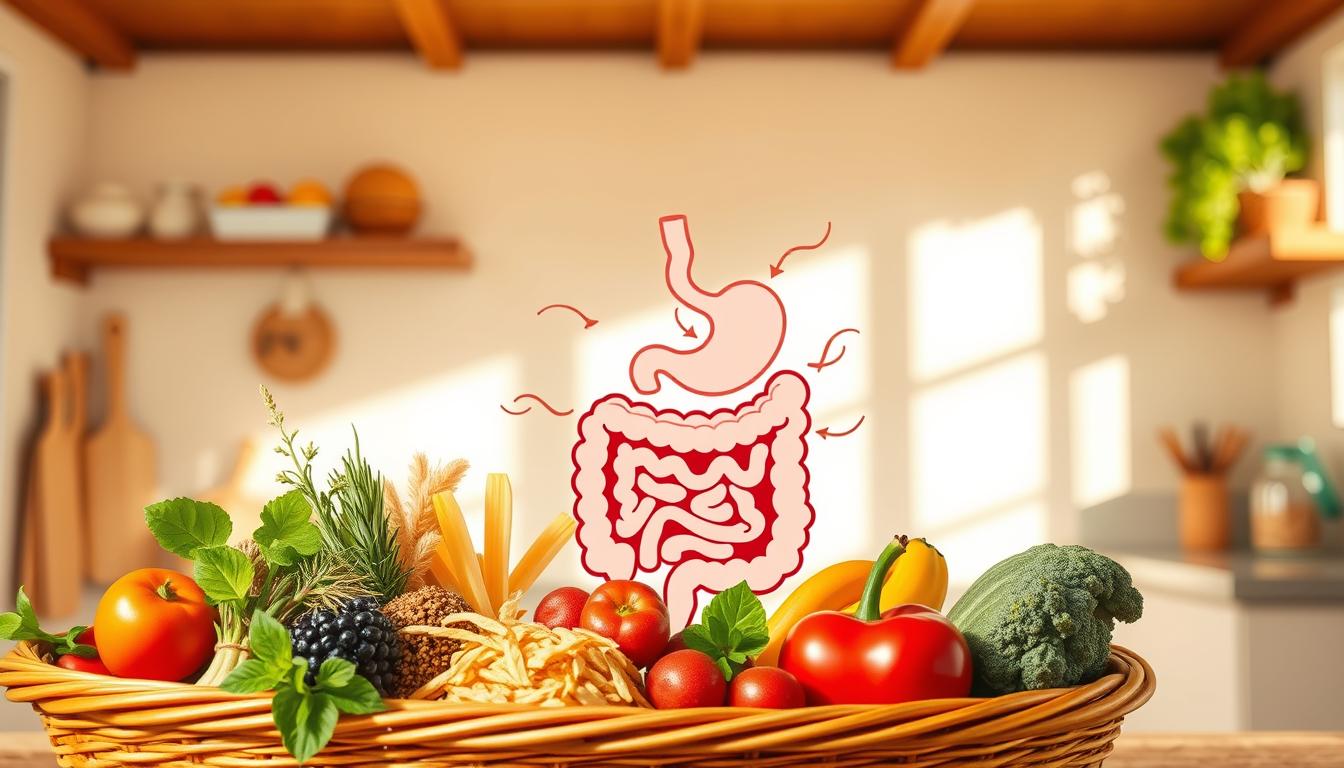
- Probiotics: Probiotics support gut health, which is linked to overall well-being and immune function. The keto diet can sometimes be low in certain fiber-rich foods that probiotics feed on, making supplementation beneficial.
- Magnesium and Potassium: These minerals are crucial for energy production and can become depleted on a keto diet. Supplementing with magnesium and potassium can help prevent muscle cramps, fatigue, and other deficiency symptoms.
When and How to Use Supplements
The timing and dosage of supplements can significantly impact their effectiveness. It's essential to consult with a healthcare professional before starting any supplement regimen, especially if you're new to the keto diet or have underlying health conditions.
Generally, it's recommended to start with a low dose and gradually increase as needed and under professional guidance. For example, electrolytes can be taken daily, especially during the initial phases of the keto diet, to help manage the "keto flu." Omega-3 supplements can be taken with meals to enhance absorption.
Monitoring your body's response to supplements and adjusting your regimen accordingly is crucial. Keeping a journal or log of your supplement intake and any changes in your health or symptoms can provide valuable insights.
Common Mistakes Keto Beginners Make
Keto beginners frequently encounter common pitfalls that can be avoided with the right knowledge. Understanding these mistakes is crucial for a successful keto journey.
Mistakes in Calculating Carbs
One of the most common errors is miscalculating carbohydrate intake. It's essential to understand the difference between total carbs and net carbs. Net carbs are calculated by subtracting fiber and sometimes sugar alcohols from total carbs. Using the wrong metric can lead to being kicked out of ketosis.
To avoid this, use a reliable carb tracking app or tool. Some popular options include MyFitnessPal and Carb Manager, which can help accurately track daily carb intake.
Mistakes in Choosing Foods
Choosing the wrong foods is another common mistake. Many beginners fail to include enough healthy fats and low-carb vegetables in their diet. It's also easy to overconsume protein, which can be converted into glucose, hindering ketosis.
Focus on whole, nutrient-dense foods like meat, fish, eggs, full-fat dairy, oils, and low-carb vegetables. Avoid processed foods and those with added sugars.
Mistakes in Expectations
Having unrealistic expectations is a significant pitfall. Some beginners expect rapid weight loss without understanding that sustainable weight loss takes time. Others may not be prepared for the keto flu, a condition that mimics flu symptoms as the body adapts to ketosis.
Setting realistic goals and being patient is key. It's also helpful to educate oneself on the signs of ketosis and how to mitigate keto flu symptoms, such as staying hydrated and increasing salt intake.
Conclusion: Successful Start with the Keto Diet
Starting a keto diet can be a transformative journey towards achieving significant weight loss and improving overall health. By understanding the basics of the keto diet, calculating net carbs, and choosing the right foods, individuals can set themselves up for success.
To achieve keto diet success, it's essential to stay committed to the lifestyle changes and be mindful of common mistakes that can hinder progress. Tracking progress and making adjustments as needed can help individuals maintain keto and enjoy the long-term benefits.
By following the simple steps outlined in this guide, individuals can start their keto journey with confidence. With persistence and dedication, starting keto successfully can lead to a healthier, more balanced lifestyle.
FAQ
What is the keto diet and how does it work?
The keto diet is a low-carb, high-fat diet that works by putting the body into a state of ketosis, where it burns fat for energy instead of carbohydrates.
What are the benefits of the keto diet for weight loss?
The keto diet can lead to rapid weight loss, improved blood sugar control, and increased energy levels, among other benefits.
What foods are allowed on the keto diet?
Keto-friendly foods include protein sources like meat, fish, and eggs, low-carb vegetables, and healthy fats like avocado and olive oil.
What foods should be avoided on the keto diet?
Foods to avoid on the keto diet include high-carb foods, processed foods, sugary drinks, and grains.
How do I calculate net carbs on the keto diet?
To calculate net carbs, subtract the fiber content from the total carbohydrate content of a food.
What is keto flu and how can I avoid it?
Keto flu is a condition some individuals experience when transitioning to a keto diet, characterized by symptoms like fatigue and headaches. To avoid it, stay hydrated, increase salt intake, and consider supplements.
What are some suitable snacks for keto beginners?
Keto-friendly snack options include nuts, cheese, hard-boiled eggs, and veggies with avocado or ranch dressing.
How do I track my progress on the keto diet?
Track your progress by monitoring body measurements, ketone levels, and signs of ketosis, and adjust your diet accordingly.
What supplements are beneficial for keto beginners?
Beneficial supplements for keto beginners include electrolytes, omega-3 fatty acids, and probiotics.
What are common mistakes keto beginners make?
Common mistakes include errors in calculating carb intake, choosing the wrong foods, and having unrealistic expectations.
Is the keto diet suitable for everyone?
While the keto diet can be beneficial for many, it may not be suitable for everyone, particularly those with certain medical conditions or dietary restrictions.
How long does it take to see results on the keto diet?
Results on the keto diet can vary, but many people start to see weight loss and other benefits within a few weeks.