"Dietary Fiber for Improved Digestion and Better Nutrient Absorption
Food Health Benefits
Dietary fiber plays a vital role in improving the body's ability to process and absorb nutrients. It is an essential nutrient that contributes to overall health and reduces inflammation.
Dietary fiber helps facilitate bowel movements and reduces the risk of constipation. It also contributes to heart health and blood circulation.
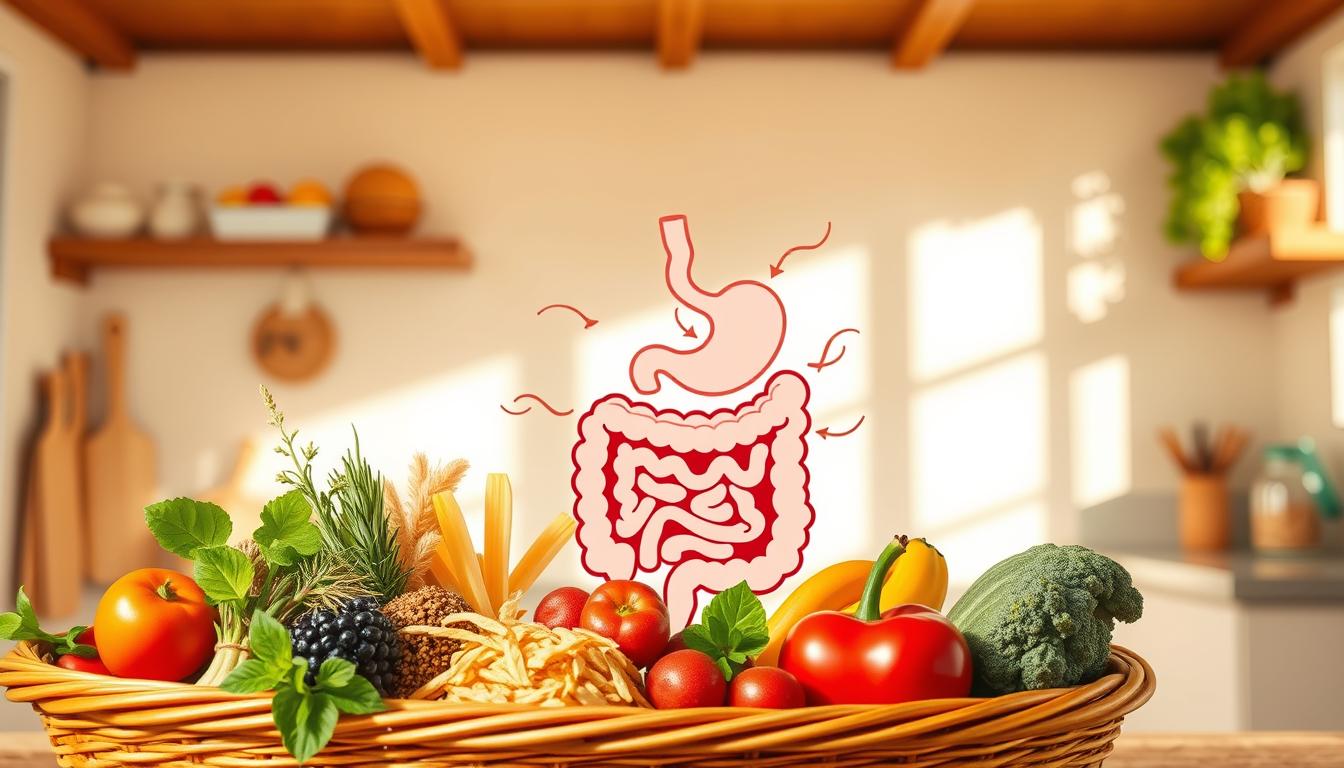
By consuming adequate amounts of dietary fiber, individuals can improve their overall health and increase the efficiency of digestion and nutrient absorption.
Key Summary
- Dietary fiber improves the digestive process.
- Fiber contributes to increasing nutrient absorption.
- Fiber reduces the risk of constipation.
- Fiber enhances heart health.
- Fiber helps reduce cholesterol levels.
What Is Dietary Fiber: A Simple Definition and Its Basic Types
Dietary fiber is an indigestible nutrient that plays a vital role in maintaining overall health. Fiber is an essential part of a healthy diet as it contributes to improving digestion and boosting general wellness.
Definition of Dietary Fiber and Its Importance for the Body
Dietary fiber is a complex carbohydrate that is not digested in the small intestine. It plays an important role in improving digestive system health and preventing many diseases.
Main Types of Dietary Fiber
There are two main types of dietary fiber:
- Soluble fiber: dissolves in water and forms a gel-like substance in the intestines.
- Insoluble fiber: does not dissolve in water and helps enhance bowel movement.
Natural Sources of Fiber in Food
Fiber can be found in many foods, including:
- Fruits: such as apples and bananas.
- Vegetables: such as broccoli and carrots.
- Whole grains: such as oats and brown rice.
- Legumes: such as beans and lentils.
The Difference Between Soluble and Insoluble Fiber
Dietary fiber is divided into two main types: soluble fiber and insoluble fiber. Each type has its own characteristics and effects on the body.
Characteristics of Soluble Fiber and Its Effects on the Body
Soluble fiber dissolves in water to form a gel-like substance. This type of fiber helps lower blood cholesterol levels and regulate blood sugar levels. Oats, barley, and fruits such as apples and oranges are rich in soluble fiber.
Soluble fiber also affects satiety, which can help with weight management. It also plays a role in nourishing beneficial gut bacteria.
Characteristics of Insoluble Fiber and Its Health Benefits
Insoluble fiber does not dissolve in water and helps promote bowel movement. This type of fiber is important for preventing constipation and improving digestive health. Whole grains and leafy vegetables are examples of foods rich in insoluble fiber.
Insoluble fiber also helps maintain intestinal health and reduces the risk of hemorrhoids.
How Both Types Complement Each Other in the Diet
A balanced diet should include both types of fiber. Consuming both types can provide comprehensive health benefits, from better digestion to improved heart health.
By understanding the difference between soluble and insoluble fiber, individuals can make informed dietary choices to achieve maximum health benefits.
Benefits of Dietary Fiber for the Body and Its Role in Improving Digestion and Absorption
Dietary fiber plays a crucial role in improving digestive health and increasing the efficiency of nutrient absorption. Fiber is an essential part of a healthy diet as it helps enhance the digestive system and improve the digestion process.
The Effect of Fiber on Digestive System Health
Dietary fiber has a significant positive impact on digestive health. Fiber helps regulate bowel movement and contributes to preventing constipation. It also nourishes beneficial gut bacteria, which enhances overall digestive health.
Additionally, fiber helps reduce digestive issues such as bloating and gas. This is due to its ability to absorb water and soften stool, making elimination easier.
The Role of Fiber in Enhancing Nutrient Absorption
Fiber plays an important role in enhancing the absorption of nutrients. Fiber helps slow down the digestion process, allowing for better absorption of nutrients. This leads to improved overall nutrition.
Fiber also contributes to improving the absorption of vitamins and minerals. This is due to its effect on the digestive environment, where it enhances the activity of beneficial gut bacteria that aid nutrient absorption.
General Health Benefits of Dietary Fiber
Dietary fiber offers many general health benefits. It helps lower harmful cholesterol levels, reducing the risk of heart disease. It also helps regulate blood sugar levels, aiding in the prevention of diabetes.
Additionally, fiber promotes feelings of fullness, which helps with weight control. This makes fiber an essential part of any healthy diet aimed at weight loss or weight maintenance.
How Fiber Works Inside the Digestive System: A Step-by-Step Explanation
The digestion of fiber is a complex series of events that begins in the mouth and continues into the large intestine. In this section, we explain in detail how fiber works within the digestive system.
The Journey of Fiber from the Mouth to the Stomach
The journey of fiber begins in the mouth, where food is chewed and mixed with saliva. Although saliva contains digestive enzymes, it does not contain enzymes specifically for fiber digestion. The food mixture then moves to the esophagus and into the stomach.
In the stomach, fiber is mixed with digestive juices containing hydrochloric acid and pepsin. However, fiber is not significantly digested in the stomach because digestive enzymes cannot break it down.
The Effect of Fiber in the Small Intestine
Fiber then moves to the small intestine, where many nutrients are absorbed. Some types of soluble fiber form a gel around food, slowing digestion and helping improve the absorption of nutrients.
The Role of Fiber in the Large Intestine
Fiber reaches the large intestine, where it plays an important role in feeding beneficial gut bacteria and undergoing fermentation. This fermentation produces short-chain fatty acids, which provide energy to intestinal cells.
Fermentation of Fiber and Production of Short-Chain Fatty Acids
Fermentation of fiber in the large intestine produces three main types of short-chain fatty acids: acetate, propionate, and butyrate. These acids play a key role in maintaining intestinal health and supplying energy to the body.
| Type | Function |
| Acetate | Provides energy to muscles |
| Propionate | Regulates blood sugar levels |
| Butyrate | Provides energy to intestinal cells |
The Role of Fiber in Increasing Bowel Movement and Improving Elimination
Dietary fiber plays a crucial role in enhancing bowel movement and improving elimination efficiency. By consuming enough fiber, digestive system health and function can be significantly improved.
How Fiber Stimulates Natural Bowel Movement
Dietary fiber—especially soluble fiber—helps form a gel-like substance in the intestines, making stool easier to pass and promoting natural bowel movement. Meanwhile, insoluble fiber increases stool bulk, which also enhances bowel movement.
The Effect of Fiber on Intestinal Transit Time
Consuming dietary fiber can reduce intestinal transit time by speeding up the movement of food through the digestive system. This helps reduce the risk of constipation and other intestinal disorders.
Preventing Intestinal Disorders with Fiber
Thanks to its ability to improve bowel movement and ease stool passage, fiber plays a key role in preventing intestinal disorders such as constipation, hemorrhoids, and irritable bowel syndrome.
To ensure the full benefits of fiber, it is recommended to follow a balanced diet rich in various fiber sources. Drinking enough water is also essential to enhance the effectiveness of fiber in improving bowel movement.
The Effect of Fiber on Stool Softening and Preventing Constipation
Dietary fiber is an essential element in a healthy diet for softening stool. Fiber plays an important role in improving bowel movement and facilitating stool elimination, reducing the risk of constipation.
How Fiber Softens Stool
Fiber absorbs water and forms a gel in the intestines, helping soften stool and ease its passage. This reduces pressure on the intestines and prevents constipation.
Types of Fiber Most Effective for Treating Constipation
There are two main types of fiber: soluble and insoluble. Soluble fiber, such as that found in oats and fruits, softens stool, while insoluble fiber, such as that found in vegetables and whole grains, helps improve bowel movement.

Tips for Using Fiber to Prevent Chronic Constipation
To maximize the benefits of fiber in preventing constipation, it is recommended to regularly consume fiber-rich foods such as fruits, vegetables, and whole grains. It is also emphasized that drinking adequate amounts of water is essential to enhance the effectiveness of fiber.
By incorporating fiber into the daily diet, individuals can improve digestive system health and reduce the risk of chronic constipation.
How Fiber Helps in the Absorption of Vitamins and Minerals
Dietary fiber plays a crucial role in enhancing the absorption of vitamins and minerals in the body. Through its effects on the digestive system, fiber helps create an ideal environment for absorbing important nutrients.
The Relationship Between Fiber and Nutrient Absorption
Fiber positively affects nutrient absorption through several mechanisms. First, soluble fiber helps form a gel in the intestines, which slows the digestion process and increases the contact time of nutrients with the intestinal wall, thereby enhancing absorption.
The effect of fiber on vitamin absorption varies depending on the type of vitamin. Fat-soluble vitamins such as A, D, E, and K are better absorbed in the presence of fiber because fiber helps stabilize these vitamins and facilitate their passage through the intestinal wall.
The Effect of Fiber on the Absorption of Water-Soluble and Fat-Soluble Vitamins
For water-soluble vitamins such as vitamin C and some B vitamins, fiber helps maintain fluid balance in the intestines, making absorption easier. Fiber also helps nourish beneficial gut bacteria, which play a role in producing certain vitamins.
The balance between fiber and other nutrients is extremely important. Excessive consumption of fiber can lead to reduced absorption of some minerals such as iron and calcium. Therefore, it is important to maintain a balance between fiber intake and other nutrients.
The Ideal Balance Between Fiber and Other Nutrients
To achieve the ideal balance, it is recommended to consume fiber along with a variety of foods rich in vitamins and minerals. It is also preferable to distribute fiber consumption throughout the day to ensure a continuous and balanced effect on nutrient absorption.
In conclusion, fiber plays a crucial role in enhancing the absorption of vitamins and minerals. By understanding how fiber affects this process, individuals can improve their diet to ensure they receive sufficient nutrients to support overall health.
The Relationship Between Fiber and Gut-Friendly Bacteria Health
Dietary fiber serves as an important food source for beneficial gut bacteria, supporting their health. Fiber plays a vital role in promoting the growth and activity of beneficial bacteria, which contributes to improving digestive and immune health.
Fiber as Food for Probiotics (Beneficial Bacteria)
Beneficial gut bacteria rely on dietary fiber for growth and activity. When fiber is consumed, it reaches the large intestine where it is broken down by beneficial bacteria, producing important nutrients that support gut health.
The Role of Fiber in Enhancing Gut Microbiome Diversity
Consuming an adequate amount of fiber enhances gut microbiome diversity, which contributes to improving digestive function and boosting immunity. Gut microbiome diversity is strongly linked to overall gut and body health.
| Type of Fiber | Effect on Beneficial Bacteria |
| Soluble Fiber | Enhances the growth and activity of beneficial bacteria |
| Insoluble Fiber | Helps improve bowel movement and supports gut health |
Benefits of Beneficial Bacteria for Digestive and Immune Health
Beneficial bacteria play an important role in supporting digestive and immune health. They contribute to improving food digestion, enhancing nutrient absorption, and supporting immune function.
In conclusion, the relationship between fiber and beneficial gut bacteria is a strong one. Consuming an adequate amount of fiber enhances the health of beneficial bacteria, which contributes to improving digestive and immune health.
The Role of Fiber in Reducing Cholesterol and Enhancing Heart Health
Dietary fiber plays an important role in improving heart health by reducing blood cholesterol levels. This vital role comes from the ability of fiber to positively affect levels of harmful cholesterol and triglycerides.
How Fiber Affects Cholesterol Levels in the Blood
Soluble fiber, such as that found in oats and fruits, plays a major role in lowering cholesterol levels. When fiber dissolves in water, it forms a gel that slows digestion and binds to cholesterol, reducing its absorption into the bloodstream.
The effect on cholesterol: Fiber reduces the reabsorption of bile acids, which leads to using cholesterol to produce more bile acids, thereby lowering cholesterol levels in the blood.
Types of Fiber Most Effective for Heart and Cardiovascular Health
Soluble fibers such as beta-glucan found in oats and fruits are particularly effective. Insoluble fibers, such as those found in vegetables and whole grains, also play a role in enhancing heart health by improving intestinal function and reducing inflammation.
| Type | Sources | Effect on Heart Health |
| Soluble Fiber | Oats, fruits, legumes | Lowers bad cholesterol |
| Insoluble Fiber | Vegetables, whole grains | Improves bowel function and reduces inflammation |
Scientific Studies on the Benefits of Fiber for the Heart
Many studies have shown that regular fiber intake can reduce the risk of heart disease. A study published in the Journal of the American Medical Association found that increased fiber intake was associated with a lower risk of coronary heart disease.
Studies have confirmed that dietary fiber has a positive effect on heart health, not only by lowering cholesterol but also by improving blood pressure and reducing inflammation.

In conclusion, the role of fiber in promoting heart health cannot be denied. By including an adequate amount of fiber in the daily diet, individuals can improve their overall health and reduce the risk of heart disease.
How Fiber Enhances Satiety and Helps with Weight Loss
Dietary fiber plays a crucial role in enhancing the feeling of fullness, which helps promote healthy weight loss. When we consume fiber, it expands in the stomach and makes us feel full, reducing the amount of food we consume.
The Effect of Fiber on Hunger and Satiety Hormones
Fiber affects hunger and satiety hormones in the body. Leptin hormone, which regulates satiety, increases when we consume fiber, while ghrelin hormone, which stimulates hunger, decreases. This hormonal balance helps reduce appetite and increase the feeling of fullness.
The Role of Fiber in Slowing Digestion and Increasing Fullness
Fiber slows down the digestive process, which means food stays in the stomach for a longer period. This slowdown increases the feeling of fullness for a longer time, reducing the desire to eat between meals.
Strategies for Incorporating Fiber Into a Weight-Loss Diet
To enhance the feeling of fullness and support weight loss, you can follow simple strategies such as:
- Eating fiber-rich fruits and vegetables.
- Choosing whole grains instead of refined grains.
- Adding legumes to main meals.
These strategies are not only effective for weight loss but also help improve overall health.
How Much Fiber the Body Needs Daily by Age and Gender
The body’s daily fiber needs vary depending on age and gender. Understanding these needs helps improve digestion and enhance overall health.
Daily Fiber Needs for Adults
Daily fiber needs for adults range between 25 and 30 grams per day. This amount is considered sufficient to improve digestion and support digestive system health. It is recommended to consume enough fruits, vegetables, and whole grains to meet these needs.
Fiber Needs for Children and Adolescents
Children and adolescents need lower amounts of fiber compared to adults. It is recommended to consume between 20 and 25 grams per day for older children and teenagers. This amount helps support their growth and development.
Fiber Needs for Seniors and Special Cases
Seniors may need similar amounts of fiber as adults, but it may be necessary to adjust this amount based on individual health conditions. It is recommended to consult a doctor to determine personal needs.
Signs of Fiber Deficiency and Its Effect on Digestion
Fiber deficiency can lead to digestive issues such as constipation and bowel disorders. Signs of fiber deficiency include hard stools and difficulty in passing stool. Increasing fiber intake can help relieve these symptoms.
How Fiber Helps Regulate Digestion When Consuming Fats and Proteins
Fiber plays a crucial role in improving digestion, especially when consuming fats and proteins. When we regularly consume fiber, it helps regulate the digestive process and reduce digestive problems associated with eating fats and proteins.
The Effect of Fiber on Fat Digestion
Fiber positively affects fat digestion through several mechanisms. First, fiber slows down fat digestion, allowing for better absorption of nutrients. Second, some types of fiber can bind to bile acids, which play a role in fat digestion, reducing cholesterol reabsorption in the intestines.
- Reducing cholesterol reabsorption
- Improving nutrient absorption
- Reducing the risk of heart disease
The Role of Fiber in Regulating Protein Digestion
Fiber also plays a role in regulating protein digestion. When protein is consumed with fiber, it can slow the digestion of protein, allowing for more efficient absorption of amino acids.
Benefits of fiber in protein digestion:
- Improved absorption of amino acids
- Reduced strain on the kidneys
The Importance of Balance Between Fiber and Other Nutrients
The balance between fiber and other nutrients such as fats and proteins is extremely important. Consuming adequate amounts of fiber with fats and proteins can improve digestion and reduce digestive problems.
Tips for Increasing Fiber Intake in Daily Diet and Mistakes to Avoid
Dietary fiber plays a vital role in improving digestion and promoting overall health. But how can we increase fiber intake effectively? In this section, we present practical tips on how to add fiber to your daily diet, fiber-rich recipes, and common mistakes to avoid.
Practical Ways to Add Fiber to Your Daily Meals
To increase fiber intake in your daily food, you can follow some simple steps:
- Start your day with a fiber-rich breakfast such as oatmeal with fruits.
- Replace white bread with whole-grain bread.
- Add leafy vegetables to your meals.
Easy-to-Prepare Fiber-Rich Recipes
You can easily prepare fiber-rich meals, such as:
Mixed vegetable salad with whole grains such as quinoa or brown rice.
Or you can eat whole fruits instead of juicing them.
Common Mistakes When Consuming Fiber and How to Avoid Them
It is important to avoid some common mistakes when increasing fiber intake:
Increasing Fiber Intake Gradually
Fiber intake should be increased gradually to avoid digestive discomfort.
The Importance of Drinking Water with Fiber
Drinking enough water with fiber helps facilitate digestion and prevents constipation.
Conclusion: The Importance of Dietary Fiber for Overall Health
Dietary fiber is an essential component of a healthy diet, playing a crucial role in improving digestion and nutrient absorption. By understanding fiber types and their effects on the body, we can effectively enhance our overall health.
Studies have shown that fiber helps prevent many chronic diseases such as heart disease and diabetes. It also plays an important role in enhancing satiety, which helps with weight management.
To maximize the benefits of fiber, it should be consumed as part of a balanced diet that includes a variety of fiber-rich foods. Through this, we can improve our overall health and enhance our quality of life.
FAQ
What is dietary fiber?
Dietary fiber is an indigestible carbohydrate compound found in plant-based foods. It plays an important role in improving digestion and promoting digestive system health.
What are the types of dietary fiber?
There are two main types of dietary fiber: soluble fiber and insoluble fiber. Soluble fiber dissolves in water and forms a gel-like substance, while insoluble fiber does not dissolve in water and helps improve bowel movement.
How does fiber work inside the digestive system?
Fiber improves digestion by enhancing bowel movement and promoting the growth of beneficial bacteria in the intestines. It also helps soften stool and prevent constipation.
What are the benefits of dietary fiber for the body?
Dietary fiber has many benefits, including improving digestion, enhancing nutrient absorption, lowering blood cholesterol levels, promoting satiety, and supporting weight loss.
How much fiber does the body need daily?
Daily fiber needs vary depending on age and gender. In general, it is recommended to consume 25–30 grams of fiber daily for adults.
What are the natural sources of fiber?
Natural sources of fiber include fruits, vegetables, legumes, whole grains, nuts, and seeds.
How can fiber intake be increased in the diet?
Fiber intake can be increased by eating more fruits and vegetables, choosing whole grains instead of refined grains, and consuming legumes, nuts, and seeds.
What are the common mistakes when consuming fiber?
Common mistakes when consuming fiber include increasing fiber intake too quickly without gradual adjustment and not drinking enough water, which can lead to digestive issues.
How does fiber help regulate digestion when consuming fats and proteins?
Fiber helps slow the digestion of fats and proteins, contributing to better nutrient absorption and reducing the risk of digestive issues.
What is the role of fiber in enhancing the health of beneficial gut bacteria?
Fiber acts as food for beneficial gut bacteria, helping promote their growth and diversity. This plays an important role in enhancing digestive and immune system health.