Plant-Based Diet Benefits: A Simple Guide to Healthier Eating and a Balanced Vegan Lifestyle"
Food Health Benefits
Adopting a plant-based diet is a significant step towards a healthier lifestyle. This dietary choice focuses on consuming foods derived from plants, minimizing or entirely excluding animal products. The benefits of a vegan lifestyle are multifaceted, ranging from improved overall health to environmental sustainability.
Embracing a balanced vegan diet can lead to numerous health benefits, including reduced risks of heart disease, diabetes, and certain types of cancer. It's not just about the health benefits; a plant-based diet also promotes a more sustainable food system.
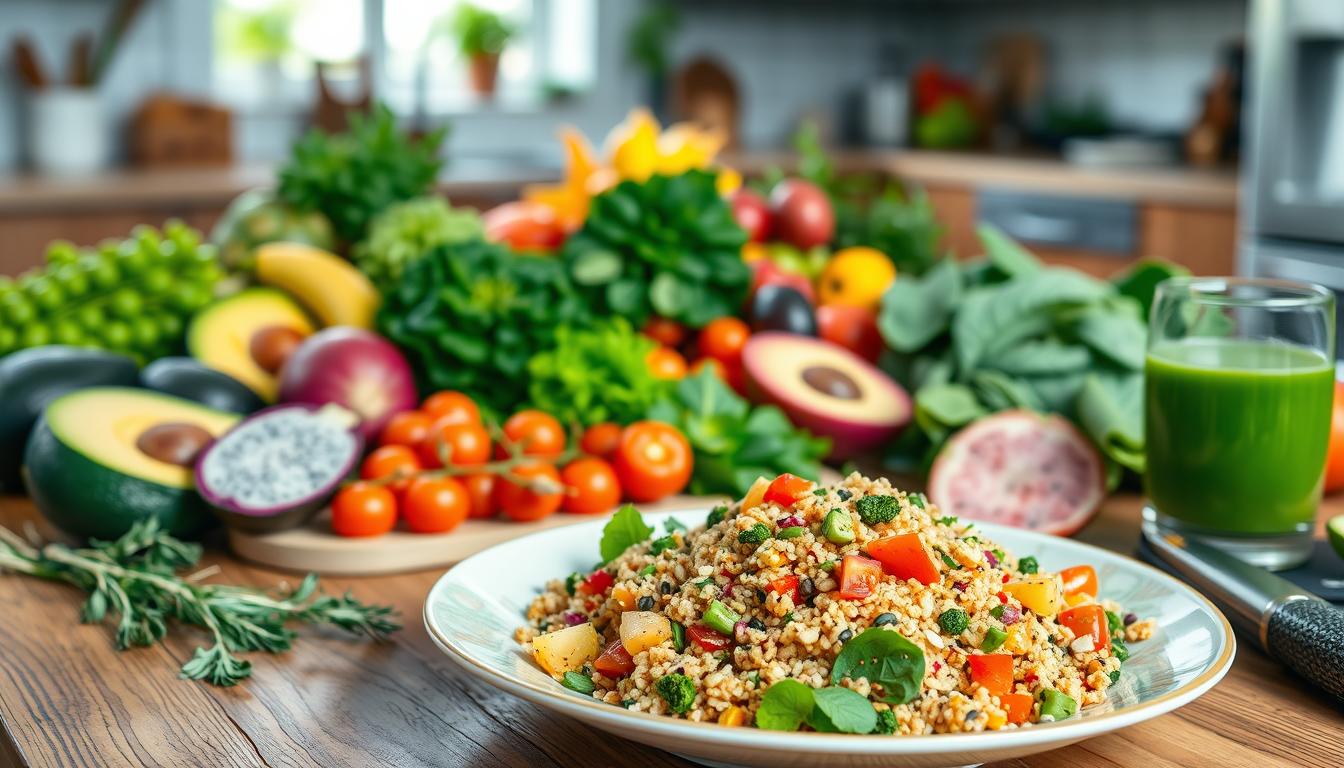
As we explore the advantages of a vegan diet, it becomes clear that making the switch can have a profound impact on both personal health and the environment. This guide will delve into the specifics of adopting a balanced vegan lifestyle, ensuring a smooth transition to healthier eating habits.
Key Takeaways
- Adopting a plant-based diet can lead to improved overall health.
- A balanced vegan diet reduces the risk of chronic diseases.
- A plant-based lifestyle promotes environmental sustainability.
- Transitioning to a vegan diet requires careful planning.
- The benefits of a vegan lifestyle extend beyond personal health.
Understanding the Plant-Based Diet
Adopting a plant-based diet is a significant step towards healthier eating and a more sustainable lifestyle. This dietary approach focuses on consuming foods derived from plants, with an emphasis on whole, minimally processed foods.
Definition and Core Principles
A plant-based diet is centered around foods from plants, including vegetables, grains, fruits, legumes, nuts, and seeds. The core principle is to prioritize these foods over animal products, promoting a diet rich in fiber, vitamins, and minerals, and lower in saturated fats and cholesterol. The diet is not just about avoiding meat; it's about embracing a variety of plant foods to ensure nutritional adequacy.
Different Types of Plant-Based Diets
There are several variations of plant-based diets, catering to different preferences and nutritional needs. These include:
- Lacto-ovo-vegetarian: Excludes meat and fish but allows dairy and eggs.
- Vegan: Excludes all animal products, including dairy, eggs, and even honey.
- Flexitarian: Primarily vegetarian but occasionally includes meat or fish.
- Pescetarian: Includes fish but not other meats.
Plant-Based vs. Vegan vs. Vegetarian
While often used interchangeably, these terms have distinct meanings. A vegetarian diet excludes meat, fish, and poultry but may include dairy and eggs. A vegan diet is stricter, excluding all animal products. A plant-based diet emphasizes foods from plants but doesn't necessarily exclude all animal products; it's more about proportion and emphasis.

The Comprehensive Health Benefits of a Plant-Based Diet
The health benefits of a plant-based diet are multifaceted, ranging from improved health markers to increased energy levels. A diet rich in fruits, vegetables, whole grains, and legumes can have a profound impact on overall health.
Improved Overall Health Markers
A plant-based diet is associated with improved overall health markers, including lower blood pressure, healthier cholesterol levels, and better weight management. These improvements can be attributed to the high content of fiber, vitamins, and minerals in plant-based foods.
Nutritional Benefits:
- High fiber content
- Rich in vitamins and minerals
- Antioxidant properties
Disease Prevention Benefits
One of the significant advantages of a plant-based diet is its role in disease prevention. Studies have shown that plant-based diets can reduce the risk of chronic diseases such as heart disease, diabetes, and certain cancers.
"A plant-based diet can help prevent and manage chronic diseases, improving overall health and well-being."
Enhanced Energy and Vitality
Adopting a plant-based diet can also lead to enhanced energy and vitality. The nutrient-dense nature of plant-based foods supports optimal bodily functions, promoting a sense of well-being and energy.

In conclusion, the comprehensive health benefits of a plant-based diet make it an attractive choice for those seeking to improve their health and well-being. By incorporating more plant-based foods into one's diet, individuals can experience significant improvements in overall health markers, disease prevention, and energy levels.
Plant-Based Eating for Effective Weight Management
Effective weight management is one of the many advantages of adopting a plant-based lifestyle. By focusing on whole, nutrient-dense plant foods, individuals can achieve and maintain a healthy weight.
How Plant Foods Support Weight Loss
Plant foods are typically lower in calories and higher in fiber compared to animal products, making them very filling and reducing the likelihood of overeating. Foods like fruits, vegetables, and legumes are not only nutritious but also support weight loss efforts.
Fiber's Role in Satiety and Weight Control
Fiber plays a crucial role in weight management by promoting satiety and reducing hunger. A high-fiber diet can help individuals feel fuller for longer, making it easier to stick to a weight loss diet. Foods rich in fiber include whole grains, beans, and a variety of vegetables.
Success Stories and Research Evidence
Numerous studies have shown that individuals who follow a plant-based diet tend to have lower body mass indexes (BMIs) and experience significant weight loss. Research evidence supports the effectiveness of plant-based diets for weight management, with many people sharing success stories of their weight loss journeys on a plant-based diet.
By incorporating more plant-based meals into your diet, you can take advantage of the weight management benefits associated with this eating pattern. Whether you're looking to lose weight or simply maintain a healthy weight, a well-planned plant-based diet can be a valuable tool.
Heart Health and the Plant-Based Diet: What You Need to Know
Adopting a plant-based diet can be a significant step towards improving heart health. A diet rich in fruits, vegetables, and whole grains can help reduce the risk of heart disease.
Reducing Cholesterol and Blood Pressure
A plant-based diet is known to help lower cholesterol levels and blood pressure, both of which are risk factors for heart disease. Studies have shown that a diet high in fiber and low in saturated fats can significantly improve cardiovascular health.
- Lowering LDL cholesterol through soluble fiber found in oats, barley, and fruits.
- Reducing blood pressure through potassium-rich foods like leafy greens and beans.
- Improving overall vascular health through antioxidants and phytochemicals.
Plant Foods That Support Cardiovascular Health
Certain plant foods are particularly beneficial for heart health. These include:
- Nuts and seeds, which are rich in healthy fats and antioxidants.
- Fatty fruits like avocados, which provide monounsaturated fats.
- Legumes, such as lentils and chickpeas, high in fiber and protein.
Research on Plant-Based Diets and Heart Disease
Numerous studies have investigated the relationship between plant-based diets and heart disease. Research findings consistently show that a well-planned plant-based diet can reduce the risk of cardiovascular disease and related mortality.
By incorporating a variety of plant-based foods into your diet, you can take a proactive approach to maintaining heart health.
The Power of Antioxidants in Plant-Based Foods
Incorporating antioxidant-rich plant foods into your diet can significantly enhance your overall well-being. Antioxidants are substances that help protect cells from damage caused by free radicals, which are unstable molecules that can lead to oxidative stress. Oxidative stress is associated with various chronic diseases, including heart disease, cancer, and neurodegenerative disorders.
Understanding Antioxidants and Their Function
Antioxidants work by neutralizing free radicals, thereby preventing them from causing cellular damage. They can be found in a variety of plant-based foods, including fruits, vegetables, nuts, and seeds. Some of the most well-known antioxidants include vitamins C and E, beta-carotene, and other carotenoids, as well as minerals like selenium.
The function of antioxidants extends beyond just neutralizing free radicals; they also play a role in supporting overall health by reducing inflammation and enhancing immune function.
Top Antioxidant-Rich Plant Foods
Some of the top antioxidant-rich plant foods include:
- Berries: Blueberries, strawberries, and raspberries are high in antioxidants like anthocyanins and vitamin C.
- Leafy Greens: Spinach and kale are rich in antioxidants such as lutein and zeaxanthin.
- Nuts and Seeds: Almonds, pecans, and sunflower seeds are good sources of vitamin E.
- Other Fruits: Pomegranates, oranges, and grapes are also high in various antioxidants.
Fighting Oxidative Stress Through Diet
A diet rich in antioxidants can help combat oxidative stress by reducing the amount of free radicals in the body. This can be achieved by consuming a variety of plant-based foods daily. Incorporating a rainbow of colors on your plate can ensure you are getting a broad range of antioxidants.
By understanding the power of antioxidants and making informed dietary choices, individuals can take a proactive approach to enhancing their health and reducing the risk of chronic diseases.
Essential Fruits and Vegetables for Your Daily Plant-Based Diet
To reap the full benefits of a plant-based diet, it's essential to know which fruits and vegetables to prioritize. A well-planned diet rich in diverse fruits and vegetables can provide numerous health benefits, from improved overall health markers to enhanced energy and vitality.
Nutrient-Dense Vegetables to Prioritize
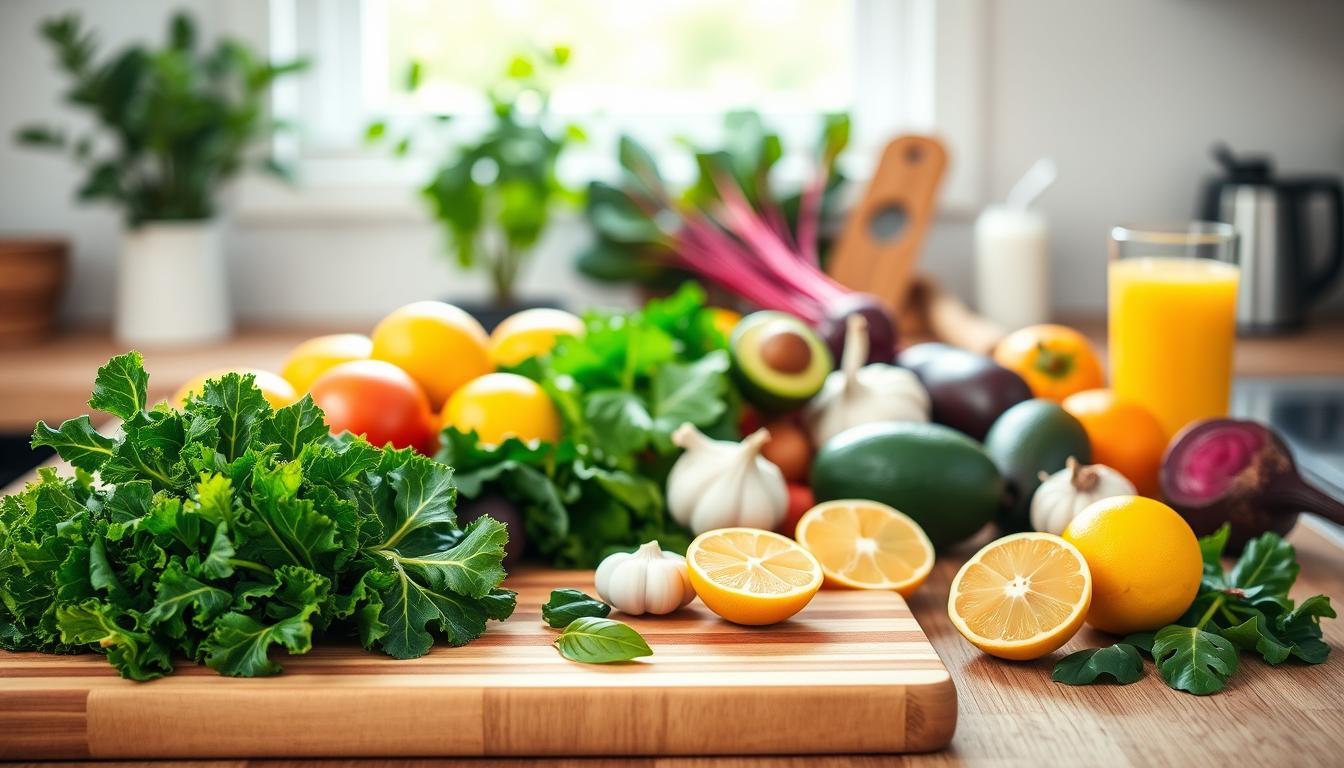
Leafy greens such as spinach and kale are packed with vitamins A, C, and K, as well as minerals like calcium and iron. Broccoli is another nutrient-dense vegetable, rich in vitamin C and fiber, and contains compounds that have been shown to have anti-inflammatory properties.
Other vegetables like carrots and bell peppers are high in vitamin A and antioxidants, supporting eye health and immune function. Incorporating a variety of these vegetables into your diet can help ensure you're getting a broad range of nutrients.
Fruits That Pack a Nutritional Punch
Fruits like berries are rich in antioxidants and vitamins, making them an excellent addition to a plant-based diet. Berries such as blueberries, strawberries, and raspberries are not only delicious but also provide significant health benefits, including reducing inflammation and improving heart health.
Other fruits like oranges and apples are high in vitamin C and fiber, supporting digestive health and immune function. Incorporating a variety of fruits into your diet can help ensure you're getting a broad range of essential nutrients.
Creating a Colorful Plate for Maximum Benefits
Creating a colorful plate is not just about aesthetics; it's a simple way to ensure you're getting a variety of nutrients. Different colors in fruits and vegetables represent different vitamins and minerals. For example, the orange in carrots and sweet potatoes indicates high levels of vitamin A, while the red in tomatoes signifies lycopene, an antioxidant.
To create a colorful plate, aim to include a variety of colors in your meals. This can be achieved by mixing different fruits and vegetables. A salad with mixed greens, cherry tomatoes, carrots, and bell peppers is a great example of a colorful and nutritious meal.
Plant-Based Proteins: Sources and Importance
Adopting a plant-based diet requires understanding the various sources of protein and their importance for overall health. Protein is a fundamental nutrient that plays a critical role in nearly every bodily function, from building and repairing tissues to producing enzymes and hormones.
Complete and Incomplete Protein Sources
Protein sources are categorized into complete and incomplete proteins. Complete proteins contain all nine essential amino acids that the human body cannot synthesize on its own. Examples include quinoa, chia seeds, and soy products like tofu and tempeh. In contrast, incomplete proteins lack one or more of these amino acids. Most plant-based foods are incomplete proteins, but this doesn't mean they can't provide all the necessary amino acids.
"You don't need to consume all the essential amino acids in one meal; it's enough to have a variety of protein-rich foods throughout the day."
Meeting Daily Protein Requirements
The daily protein requirement varies based on factors such as age, sex, weight, and activity level. Generally, the Recommended Dietary Allowance (RDA) suggests 0.8 grams of protein per kilogram of body weight per day for adults. However, athletes or those who are physically active may require more. To meet daily protein needs, it's essential to consume a variety of plant-based protein sources.
Protein Combining Strategies
Traditionally, it was believed that vegetarians and vegans needed to "combine" proteins at each meal to get all the essential amino acids. However, current research indicates that the body can combine proteins over the course of a day, not necessarily at a single meal. Examples of complementary proteins include pairing whole grains with legumes or nuts with seeds.
"Eating a variety of plant-based foods throughout the day can provide all the necessary amino acids."
- Legumes (lentils, chickpeas, black beans)
- Nuts and seeds (almonds, chia seeds, hemp seeds)
- Whole grains (quinoa, brown rice, whole wheat)
- Soy products (tofu, tempeh, edamame)
By incorporating these protein-rich foods into your diet, you can easily meet your daily protein requirements and enjoy the benefits of a balanced plant-based lifestyle.
Healthy Fats in the Plant-Based Diet
Healthy fats play a vital role in a balanced plant-based diet, supporting various bodily functions. They are crucial for absorbing vitamins, maintaining healthy skin, and supporting heart health.
Essential Fatty Acids from Plant Sources
Plant-based diets can provide all the essential fatty acids (EFAs) the body needs. Nuts and seeds are rich sources of healthy fats. Some examples include:
- Almonds
- Chia seeds
- Flaxseeds
These foods are not only rich in healthy fats but also in fiber and antioxidants.
Omega-3s for Vegans and Vegetarians
Omega-3 fatty acids are important for heart health and brain function. While fish is a common source of omega-3s, vegans and vegetarians can obtain them from:
- Algal oil
- Flaxseeds
- Chia seeds
- Walnut
Balancing Fat Intake for Optimal Health
Balancing fat intake is crucial for maintaining optimal health. It's recommended to focus on unsaturated fats, which are found in higher proportions in plant-based foods. Avocados and olive oil are excellent sources of healthy unsaturated fats.
To balance fat intake, consider the following tips:
- Choose whole foods over processed foods.
- Incorporate a variety of nuts and seeds into your diet.
- Use healthy oils for cooking.
Planning Balanced Plant-Based Meals
A balanced plant-based diet is not just about excluding animal products, but also about including a variety of nutrient-dense foods. This approach ensures that you get all the necessary nutrients for optimal health.
The Plant-Based Plate Model
The plant-based plate model is a simple and effective way to plan your meals. It involves dividing your plate into sections:
- Half the plate: Vegetables and fruits
- One quarter: Whole grains like brown rice, quinoa, or whole wheat
- One quarter: Protein-rich foods such as legumes, nuts, or seeds
This model helps in achieving a balanced mix of nutrients in every meal.
Meal Prepping Strategies
Meal prepping is a great way to save time and ensure you're eating balanced meals. Here are some strategies:
- Plan your meals: Decide on your meals for the week, considering breakfast, lunch, dinner, and snacks.
- Shop smart: Make a grocery list based on your meal plan and stick to it.
- Prep in advance: Chop vegetables, cook grains, and prepare proteins ahead of time.
Ensuring Nutritional Adequacy
To ensure nutritional adequacy, focus on a variety of foods:
- Incorporate a range of colorful vegetables and fruits.
- Include a mix of protein sources like beans, lentils, tofu, and tempeh.
- Don't forget healthy fats from nuts, seeds, and avocados.
By following these guidelines, you can enjoy a balanced and nutritious plant-based diet.
Important Supplements for Plant-Based Eaters
While a well-planned plant-based diet provides numerous health benefits, certain supplements can help fill nutritional gaps. A plant-based diet can be rich in many nutrients, but some vitamins and minerals are found in lower levels or are less easily absorbed from plant sources.
Vitamin B12: The Essential Supplement
Vitamin B12 is crucial for brain function, blood formation, and nerve health. Since it's primarily found in animal products, plant-based eaters often need supplements. Vitamin B12 deficiency can lead to fatigue, weakness, and neurological problems.
Other Key Nutrients to Monitor
In addition to Vitamin B12, other nutrients are important for plant-based eaters to monitor:
Vitamin D and Calcium
Vitamin D is essential for bone health and immune function. While some plant milks are fortified with Vitamin D, many people may still require supplements, especially during winter months. Calcium is also vital for bone health, and while it's available in some plant foods, supplements can help meet daily needs.
Iron and Zinc
Iron is critical for healthy red blood cells, and zinc supports immune function and wound healing. Both are found in plant foods, but their absorption rates are lower compared to animal sources. Increasing intake of vitamin C can enhance iron absorption.
When and How to Supplement Effectively
It's essential to consult with a healthcare provider before starting any supplement regimen. They can help determine the right supplements and dosages based on individual needs.
By being mindful of these key nutrients and using supplements judiciously, plant-based eaters can maintain optimal health and enjoy the full benefits of their chosen diet.
The Plant-Based Diet and Digestive Health: Improving Gut Function
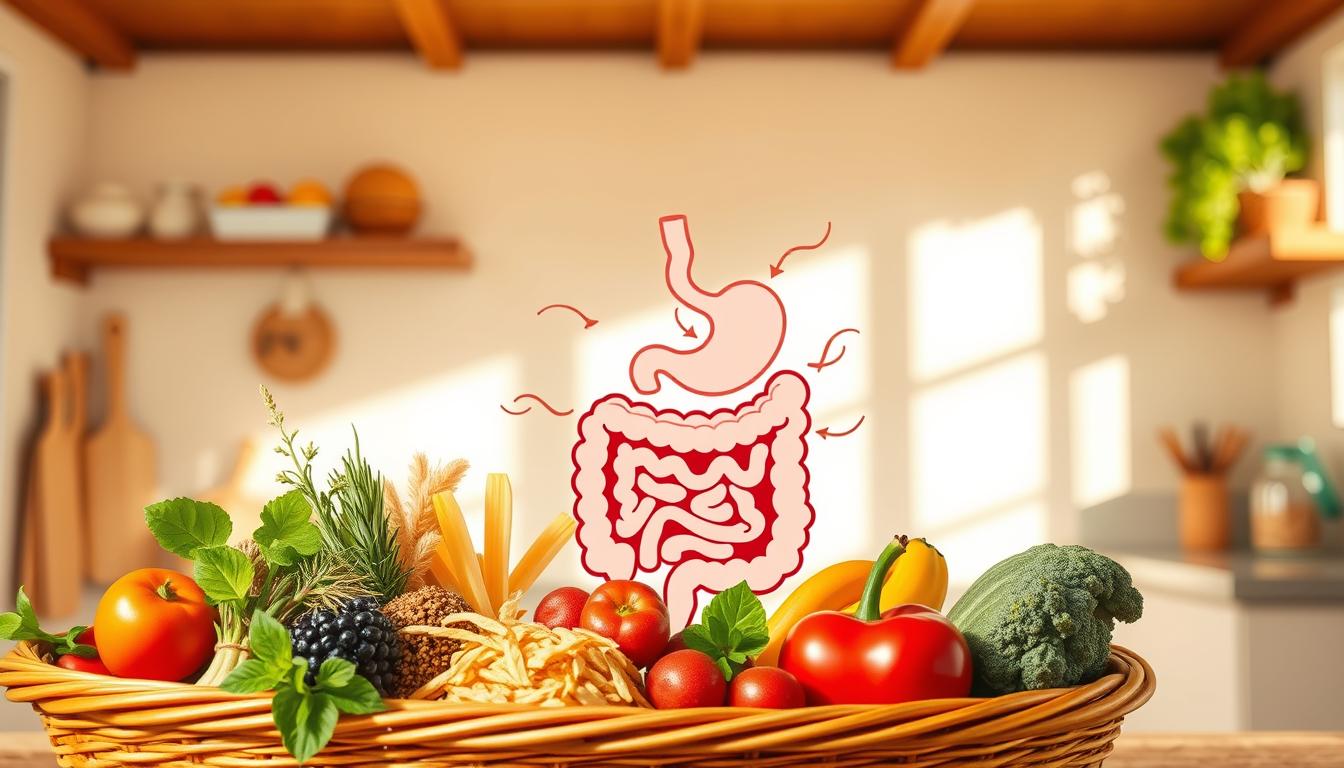
Adopting a plant-based diet can lead to substantial improvements in digestive health, primarily through its high fiber content. A diet rich in fiber from plant foods helps promote a healthy gut microbiome, which is essential for overall well-being.
Fiber's Impact on Gut Microbiome
Fiber plays a crucial role in maintaining a balanced gut microbiome. It acts as a prebiotic, feeding the good bacteria in the gut, thereby promoting their growth and activity. This process contributes to a stronger immune system and better digestive health.
Plant Foods for Digestive Wellness
Incorporating a variety of plant foods into your diet can significantly enhance digestive wellness. Foods such as leafy greens, whole grains, and legumes are not only rich in fiber but also contain other nutrients that support gut health. For example, leafy greens like spinach are high in magnesium, which can help relax the muscles in the digestive tract.
Managing Common Digestive Concerns
A plant-based diet can also help manage common digestive concerns such as constipation, bloating, and irritable bowel syndrome (IBS). The high fiber content helps regulate bowel movements, while the anti-inflammatory properties of many plant foods can reduce inflammation and discomfort.
In conclusion, a well-planned plant-based diet is not only beneficial for overall health but also specifically supports digestive health. By understanding the role of fiber, incorporating beneficial plant foods, and managing common digestive issues, individuals can significantly improve their gut function and overall well-being.
How Plant-Based Diets Reduce Inflammation
Adopting a plant-based diet can significantly reduce inflammation in the body, leading to improved overall health. Inflammation is a natural response of the body's immune system, but chronic inflammation can lead to various health issues.
Inflammatory Foods vs. Anti-Inflammatory Plant Foods
Certain foods can trigger or reduce inflammation. Animal products and processed foods are often pro-inflammatory, whereas plant-based foods are rich in anti-inflammatory compounds. Foods like berries, leafy greens, and other fruits and vegetables are high in antioxidants and polyphenols, which help combat inflammation.
Chronic Inflammation and Disease Prevention
Chronic inflammation is linked to various diseases, including heart disease, diabetes, and certain cancers. By adopting a plant-based diet, individuals can significantly reduce their risk of developing these conditions. The anti-inflammatory effects of plant-based diets can help prevent chronic inflammation, thereby reducing the risk of associated diseases.
Plant Compounds That Fight Inflammation
Plant-based foods contain a variety of compounds that have anti-inflammatory properties. These include omega-3 fatty acids found in walnuts and flaxseeds, antioxidants in berries and green tea, and polyphenols in olive oil and other plant foods. Incorporating these foods into one's diet can help reduce inflammation and promote overall health.
Plant-Based Diet and Bone Health: What You Need to Know
A well-planned plant-based diet is not only beneficial for overall health but also plays a critical role in maintaining strong bones. While it's true that dairy products are rich in calcium, a plant-based diet can provide all the necessary nutrients for optimal bone health.
Calcium Sources in Plant Foods
Calcium is crucial for bone health, and there are numerous plant-based calcium sources. These include leafy greens like kale and broccoli, fortified plant milk, and certain types of tofu. Incorporating these foods into your diet can help meet your daily calcium needs.
Other Nutrients for Bone Health
Beyond calcium, other nutrients play a significant role in bone health. Vitamin D and magnesium are essential for calcium absorption and bone mineralization. Plant-based sources of these nutrients include fortified cereals, nuts, and seeds. Ensuring adequate intake of these nutrients is vital for maintaining strong bones on a plant-based diet.
Research on Veganism and Bone Density
Research on veganism and bone density has yielded mixed results. Some studies suggest that vegans may have lower bone density compared to non-vegans, while others find no significant difference. Factors such as overall diet quality, lifestyle, and supplementation play a crucial role in determining bone health outcomes in vegans.
In conclusion, a well-planned plant-based diet can support bone health by providing essential nutrients. By understanding the key nutrients and incorporating a variety of plant-based foods, individuals can maintain strong bones and overall health.
Transitioning to a Plant-Based Diet: A Step-by-Step Guide
Making the switch to a plant-based diet can seem daunting, but with a clear guide, it's achievable. Transitioning to a plant-based diet involves understanding the different approaches and strategies to make this change successful.
Gradual vs. Immediate Approaches
When transitioning to a plant-based diet, individuals often debate between gradual and immediate approaches. A gradual approach involves slowly incorporating more plant-based meals into your diet, replacing animal products over time. This method can be less overwhelming and more sustainable for some. On the other hand, an immediate approach involves making a complete switch to a plant-based diet right away. This can be effective for those who are highly motivated and prepared for the change.
Replacing Animal Products Successfully
Successfully replacing animal products requires identifying plant-based alternatives that are nutritious and satisfying. For instance, plant-based milks can replace dairy milk, and vegan protein sources like legumes and tofu can replace meat.
Common Mistakes and How to Avoid Them
Two common pitfalls when transitioning to a plant-based diet are nutritional pitfalls and relying on processed vegan foods. Ensuring a balanced intake of essential nutrients is crucial.
Nutritional Pitfalls
Nutritional pitfalls can be avoided by being aware of the need for vitamin B12, iron, and omega-3 fatty acids, which are commonly found in lower levels in plant-based diets.
Processed Vegan Foods Trap
Relying heavily on processed vegan foods can lead to a diet that is high in unhealthy fats and sodium. Focusing on whole, minimally processed foods is key to a healthy plant-based diet.
By understanding these aspects, individuals can make a well-informed transition to a plant-based diet, setting themselves up for long-term success and improved health.
Easy Plant-Based Recipes for Beginners
Embarking on a plant-based diet can be both exciting and daunting, but with the right recipes, beginners can navigate this journey with ease. Simple, delicious, and nutritious meals are within reach, making the transition to a plant-based lifestyle smoother.
Quick Breakfast Ideas
Starting your day with a nutritious breakfast sets the tone for a healthy day. Oatmeal with fruits and nuts is a classic choice, providing sustained energy. Alternatively, a smoothie bowl made with your favorite fruits, spinach, and almond milk topped with granola and nuts is both satisfying and packed with nutrients.
Simple Lunch and Dinner Recipes
For lunch or dinner, consider a hearty lentil soup or a quinoa salad with roasted vegetables. These dishes are not only easy to prepare but are also rich in protein and fiber, making them very filling.
Nutritious Snacks and Desserts
Snacking on fresh fruits or veggie sticks with hummus is a healthy habit. For desserts, a dark chocolate avocado mousse is a rich and creamy treat that's both vegan-friendly and delicious.
These easy plant-based recipes are perfect for beginners looking to adopt a healthier lifestyle. With minimal preparation and simple ingredients, anyone can enjoy the benefits of a plant-based diet.
Timeline: When to Expect Results from Your Plant-Based Journey
Adopting a plant-based diet can lead to numerous health benefits, but the timeline for experiencing these results varies from person to person. Understanding when to expect changes in your body and overall health can help you stay motivated and committed to your new lifestyle.
In the first few weeks, you may notice improvements in your digestive health, such as regular bowel movements and reduced bloating. As you continue on your plant-based journey, you can expect to see improvements in your energy levels and overall vitality within 6-8 weeks. Significant changes in weight, blood pressure, and cholesterol levels may take 3-6 months to become apparent.
The timeline for plant-based results depends on individual factors, including starting health conditions, the quality of the diet, and lifestyle choices. Expecting results from a plant-based diet requires patience and commitment. By focusing on whole, nutrient-dense foods and maintaining a balanced lifestyle, you can maximize the benefits of your plant-based diet and enjoy a healthier, more vibrant life.
FAQ
What is a plant-based diet?
A plant-based diet is a dietary pattern that focuses on foods derived from plants, including fruits, vegetables, whole grains, and legumes, minimizing or excluding animal products.
How does a plant-based diet help with weight loss?
A plant-based diet can aid in weight loss due to its high fiber content, which promotes satiety, and its emphasis on whole, nutrient-dense foods that are generally lower in calories.
Can a plant-based diet provide enough protein?
Yes, a well-planned plant-based diet can provide adequate protein through a variety of sources, including legumes, beans, lentils, tofu, tempeh, and seitan, as well as nuts and seeds.
What are the benefits of a plant-based diet for heart health?
A plant-based diet can help reduce the risk of heart disease by lowering cholesterol and blood pressure, improving blood lipid profiles, and providing antioxidants and fiber.
Are there any nutritional deficiencies associated with a plant-based diet?
Potential deficiencies include vitamin B12, iron, zinc, omega-3 fatty acids, and calcium. However, these can be managed through a well-planned diet, supplements, and fortified foods.
How can I ensure I'm getting enough calcium on a plant-based diet?
You can obtain calcium from plant-based sources like fortified plant milk, dark leafy greens, tofu, almonds, and sesame seeds, and consider supplements if necessary.
What are some easy ways to start a plant-based diet?
Start by incorporating more plant-based meals into your diet, exploring new recipes, and gradually reducing your intake of animal products.
Can a plant-based diet support athletic performance?
Yes, a well-planned plant-based diet can provide the necessary nutrients for athletic performance, including protein, complex carbohydrates, and healthy fats.
How long does it take to see results from a plant-based diet?
The timeline for seeing results can vary, but many people report improvements in energy and overall health within a few weeks to a few months.
Are there any common mistakes to avoid when transitioning to a plant-based diet?
Common mistakes include not consuming enough protein, relying too heavily on processed vegan foods, and not ensuring adequate intake of key nutrients like vitamin B12 and iron.