Green Algae: A Superfood Packed with Protein and Vitamins
Food Health Benefits
Green algae are a rich source of essential nutrients, particularly protein and vitamins, adding nutritional value.
These algae offer a wide range of health benefits, contributing to overall well-being. They help improve nutrition and provide strong support.
Main Highlights
- Green algae are rich in protein and vitamins
- They contribute to enhancing overall health
- Improve nutrition and provide strong health support
- A nutrient-dense food source rich in essential elements
- Promote overall health and improve nutrition
What Are Green Aquatic Algae and Their Nutritional Importance?
Green aquatic algae are a type of microscopic living organisms that play an important role in the global food system. These algae are considered a rich source of essential nutrients such as proteins, vitamins, and minerals.
Definition and Characteristics of Green Aquatic Algae
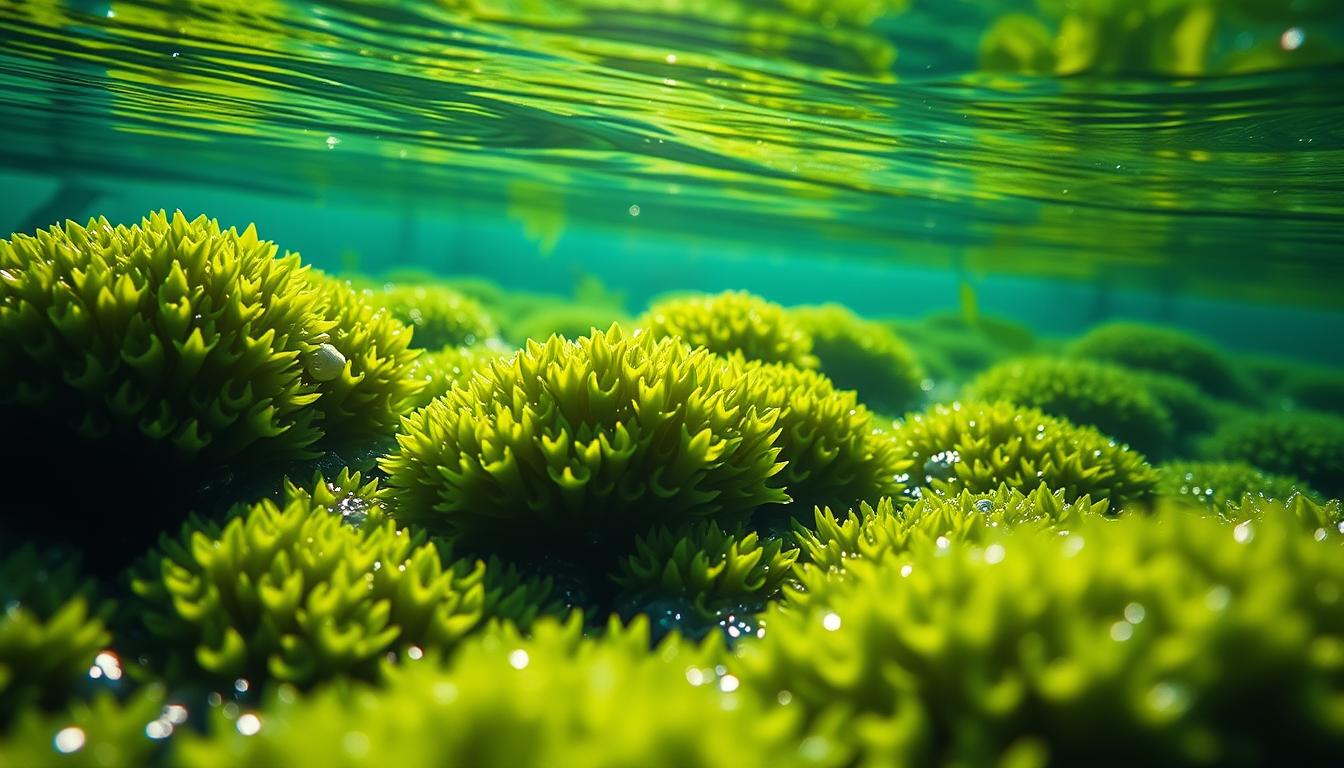
Green aquatic algae are microscopic organisms that contain chlorophyll, which gives them their green color. These algae can grow in various aquatic environments, including fresh and salty water. They contain a wide range of nutrients, including proteins, carbohydrates, and healthy fats.
The Importance of Green Algae in the Global Food System
Green algae play a vital role in enhancing overall health due to their rich nutritional content. They can be used as dietary supplements to improve health, and they are also used in the food industry to enhance the nutritional value of products. Additionally, green algae contribute to supporting global food sustainability.
Green aquatic algae are considered sustainable food sources that can play a key role in addressing global food challenges.
The Most Popular Types of High-Protein Green Aquatic Algae
Green aquatic algae are a rich source of protein, and several types have gained great popularity. These algae are not only high in protein but also contain many essential vitamins and minerals.
Spirulina: The Blue-Green Alga
Spirulina is one of the most famous types of green aquatic algae and is known for its high protein content, containing about 60–70% protein. It is also a good source of vitamins and minerals such as iron and calcium.
Chlorella: Concentrated Green Power
Chlorella is another high-protein green aquatic alga, containing between 50–60% protein. It is rich in essential amino acids and vitamins, such as vitamin B12.
Other Protein-Rich Algae Types
There are other types of green aquatic algae that contain high protein levels, such as Dunaliella salina and Haematococcus pluvialis. These types are also used as dietary supplements due to their high nutritional value.
| Algae Type | Protein Percentage | Vitamins & Minerals |
| Spirulina | 60–70% | Iron, Calcium |
| Chlorella | 50–60% | Vitamin B12, Amino Acids |
| Dunaliella salina | 40–50% | Beta-carotene, B Vitamins |
Protein Content in Green Aquatic Algae and Their Benefits for the Body
Green aquatic algae are a rich source of protein, making them an excellent option for vegetarians. They contain high levels of protein that play an essential role in building and repairing body tissues.
Protein Content in Algae Compared to Other Sources
Green algae contain protein amounts similar to some animal sources. For example, Spirulina contains around 60–70% protein, while Chlorella contains around 50–60% protein.
- Spirulina: 60–70% protein
- Chlorella: 50–60% protein
- Other green algae: protein percentage varies by type
Protein Quality in Green Algae
Algae protein is considered a complete protein because it contains all essential amino acids the body needs, making it an excellent choice for people following a plant-based diet.
How the Body Benefits from Algae Protein
Algae protein helps build and repair muscles and supports the production of enzymes and hormones in the body. It also helps promote a feeling of fullness, which may be beneficial for weight management.
Main benefits of algae protein:
- Muscle building and repair
- Supporting enzyme and hormone production
- Promoting satiety
Vitamins and Minerals in Green Aquatic Algae and Their Importance for Health
Green algae contain a wide range of vitamins and minerals that play a key role in promoting overall health. These nutrients do not only enhance health but also help prevent many chronic diseases.
Vitamins in Green Algae
Green algae are rich in essential vitamins such as vitamin A, vitamin C, vitamin E, and B vitamins. These vitamins play vital roles in maintaining skin health, strengthening the immune system, and reducing chronic disease risk.
- Vitamin A: Important for eye and skin health.
- Vitamin C: Boosts immunity and improves iron absorption.
- Vitamin E: Acts as an antioxidant and protects cells from damage.
Essential Minerals in Green Algae
Besides vitamins, green algae contain minerals like calcium, iron, magnesium, and potassium. These minerals are essential for bone health, blood pressure regulation, and supporting muscle and nerve function.
- Calcium: Essential for bones and teeth.
- Iron: Needed for hemoglobin production and oxygen transport.
- Magnesium: Helps regulate heart rhythms and supports muscle function.
The Importance of These Nutrients for Overall Health
The vitamins and minerals in green algae contribute greatly to overall health enhancement and disease prevention. Consuming them can help improve energy levels, strengthen the immune system, and support overall well-being.
Key benefits include:
- Overall health enhancement
- Immune system support
- Prevention of chronic diseases
Antioxidants in Green Aquatic Algae and Their Role in Disease Prevention
Green aquatic algae are rich in antioxidants that help fight inflammation and chronic diseases. These compounds protect cells from damage caused by free radicals.
Types of Antioxidants in Green Algae
Green algae contain carotenoids, flavonoids, and vitamins such as vitamin C and vitamin E. These work together to provide comprehensive protection against oxidative stress.
Antioxidants and Inflammation Reduction
Antioxidants in green algae help reduce inflammation in the body. Chronic inflammation can lead to diseases like heart disease and diabetes.
Preventing Chronic Diseases Using Algae
Regular consumption of green algae may help prevent chronic diseases such as cancer and heart disease by protecting cells and reducing damage.
The Role of Green Aquatic Algae in Strengthening Immunity
Studies show that green aquatic algae contain compounds that enhance immune activity and protect the body from infection.
How Green Algae Strengthen the Immune System
They stimulate immune cells such as macrophages and lymphocytes, improving the body’s ability to fight infections.
Active Compounds Responsible for Immunity Boosting
Green algae contain beta-glucan, fucoxanthin, and other bioactive compounds that enhance immune responses.
Scientific Studies on Algae and Immunity
Studies found that consuming Spirulina increases antibody production and improves immune cell function.
| Algae | Active Compounds | Immune Effects |
| Spirulina | Beta-glucan, Fucoxanthin | Immune cell activation, improved antibody production |
| Chlorella | Glucan, Chlorophyll | Immune support, enhanced general health |
Green Aquatic Algae and Digestive Health
Green algae play a major role in improving digestive health due to their high fiber content.
Fiber in Algae and Its Importance
The fiber content helps prevent constipation and supports gut function.
Effect of Algae on Gut-Friendly Bacteria
Green algae nourish beneficial gut bacteria and help maintain a healthy microbiome.
Treating Digestive Issues Using Algae
They can help relieve constipation, improve digestion, and support gut health overall.
Green Aquatic Algae and Heart Health
Green algae are rich in nutrients that support heart and vascular health.
Effect of Algae on Cholesterol Levels
They may help reduce LDL (bad cholesterol) and increase HDL (good cholesterol).
Algae and Blood Pressure Regulation
Minerals like potassium and magnesium support healthy blood pressure.
Preventing Heart Diseases Using Algae
By lowering cholesterol and regulating blood pressure, algae help reduce the risk of heart disease.
Green Aquatic Algae and Weight Loss
Green algae are rich in protein and fiber, helping promote satiety and support weight loss.
How Algae Help Manage Weight
They reduce appetite and enhance metabolic rate.
Effect of Algae on Metabolism
Green algae are rich in vitamins and nutrients that help stimulate metabolism.

Uses of Green Aquatic Algae in Various Fields
Green aquatic algae are considered a versatile source in many fields. These algae are used in a wide range of applications, including dietary supplements, pharmaceuticals, animal feed, and cosmetics.
Algae as a Daily Dietary Supplement for Humans
Green algae are a rich source of protein, vitamins, and minerals, making them an ideal dietary supplement. They can be consumed in powder or capsule form and help enhance overall health.
- Rich in protein
- Contains essential vitamins and minerals
- Enhances overall health
Algae in the Pharmaceutical Industry and Treatment of Certain Diseases
Algae are used in the pharmaceutical industry due to their medicinal properties. They contain antioxidant and anti-inflammatory compounds, making them useful in treating some chronic diseases.
Studies have shown that green algae can help reduce inflammation and improve overall health.
Benefits of Algae in Animal, Fish, and Poultry Nutrition
Algae are also used in the nutrition of animals, fish, and poultry. These algae provide a natural source of protein and other nutrients, enhancing the health and growth of these animals.
Algae and Cosmetic Products for Skin and Hair
Algae are used in cosmetic products due to their moisturizing and nourishing properties. They can be used in skincare and hair care products, enhancing health and radiance.
Benefits of Algae for Skin:
- Skin hydration
- Skin nourishment
- Enhancing skin radiance
Cultivation and Production of Green Aquatic Algae
The cultivation of green aquatic algae requires a comprehensive understanding of their growth conditions and requirements. This process is essential for producing nutrient-rich supplements containing proteins and vitamins.
There are several methods for cultivating green aquatic algae, and these methods vary depending on the type of algae and its growth requirements.
Methods of Cultivating Algae in Open and Closed Ponds
Green aquatic algae are cultivated in two main types of ponds: open ponds and closed ponds. Open ponds rely on natural weather conditions, while closed ponds offer a controlled environment that allows for adjusting temperature and lighting.
Open ponds provide a large area for algae growth and rely on natural sunlight. However, they may be affected by weather conditions and require large space.
Closed ponds offer a controlled environment where all environmental factors can be adjusted to achieve maximum algae growth. This method is more costly but provides more stable production.
Growth Duration of Green Aquatic Algae and Ideal Harvest Conditions
The growth duration of green aquatic algae varies depending on the species and growth conditions. Generally, algae can be harvested after a period ranging from one to three weeks.
Algae must be harvested at the right time to ensure maximum nutritional value. Ideal harvesting requires continuous monitoring of growth conditions and algae quality.
Optimal Temperature and Light Conditions for Algae Growth
Temperature and light are critical factors for the growth of green aquatic algae. Optimal temperatures range between 20–30°C, while adequate light is essential to stimulate photosynthesis.
Light intensity and duration must be carefully adjusted to enhance algae growth without causing damage.
Importance of Green Aquatic Algae: Protein, Vitamins, and Health Benefits
Green aquatic algae are a rich source of protein and vitamins, making them highly valuable for overall health. These algae are not only rich in essential nutrients but also provide multiple health benefits.
Overall Nutritional Value of Green Algae
Green algae contain a wide range of nutrients, including protein, vitamins, and minerals. These nutrients make green algae an ideal choice for individuals seeking natural and healthy food sources.
| Nutrient | Nutritional Value per 100 g |
| Protein | 60% |
| Vitamins | Multiple (A, B, C, E) |
| Minerals | Iron, Calcium, Potassium |
The Future of Algae as a Sustainable Food Source
Green aquatic algae represent a promising future as a sustainable food source. Due to their rapid growth and ability to thrive under various conditions, green algae can be a reliable food source in the future.

Tips for Choosing and Storing Green Algae Products
When choosing green algae products, it is important to consider the quality and source of the product. It is preferable to select products grown in clean and monitored environments. For storage, products should be kept in a cool and dry place to maintain their nutritional value.
Additional Tips: Check the expiration date and ensure the package is tightly sealed.
Conclusion
Green aquatic algae are a nutrient-rich source of protein, vitamins, and minerals, making them highly valuable in the global diet. In this article, we discussed the benefits of green aquatic algae, including their role in enhancing overall health and strengthening the immune system.
We also showed how algae can contribute to heart and cardiovascular health and support weight management. Additionally, we covered the various uses of algae in fields such as dietary supplements, pharmaceuticals, and animal nutrition.
In conclusion, it can be said that green aquatic algae represent a promising future as a sustainable food source. It is essential to continue researching and utilizing these natural resources to improve public health and contribute to environmental sustainability.
FAQ
What are green aquatic algae?
Green aquatic algae are a type of algae that live in water and are characterized by their green color due to the presence of chlorophyll. They are rich in protein, vitamins, and minerals.
What are the health benefits of green aquatic algae?
Green aquatic algae are rich in protein, vitamins, and minerals. They help strengthen the immune system, improve heart and cardiovascular health, and support digestive system health.
How can green aquatic algae be used as a dietary supplement?
Green aquatic algae can be used as a daily dietary supplement to improve overall health. They can be added to smoothies, salads, or other foods.
What are the most common types of green aquatic algae?
The most common types of green aquatic algae are Spirulina and Chlorella, both of which are rich in protein, vitamins, and minerals.
How can green aquatic algae be cultivated?
Green aquatic algae can be cultivated in open or closed ponds and require ideal growth conditions such as suitable temperature and adequate lighting.
What are the benefits of green aquatic algae for heart and cardiovascular health?
Green aquatic algae help improve heart and cardiovascular health by lowering cholesterol levels and regulating blood pressure.
How can green aquatic algae help with weight management?
Green aquatic algae can help with weight management by improving metabolism and reducing appetite.
What are the uses of green aquatic algae in cosmetics?
Green aquatic algae are used in some cosmetic products due to their benefits for the skin and hair, as they can help moisturize the skin and improve hair health.