How to Buy Your First Home in America With No Down Payment in 2026 (Step-by-Step Guide to Getting 0% Down Mortgage Financing and Saving Thousands of Dollars)
Business & Finance
Learn how to buy your first home with no down payment in the United States using government-backed mortgage programs like U.S. Department of Veterans Affairs and United States Department of Agriculture, plus expert strategies to improve approval odds and lower upfront home-buying costs.
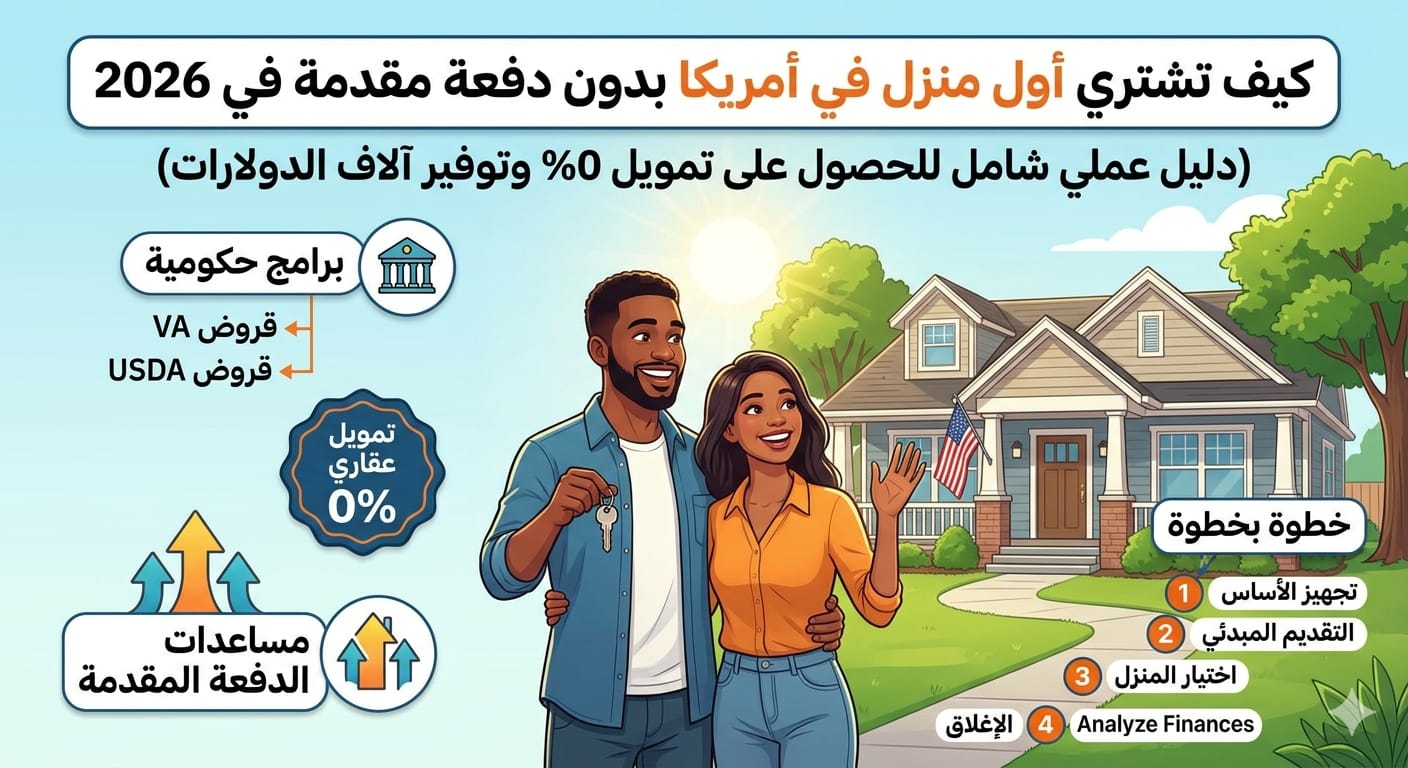
How to Buy Your First Home With No Down Payment (Complete 2026 Guide to Buying a Home With Little or No Cash Upfront)
You can buy a house in the United States with no down payment by using programs such as VA loans, USDA loans, down payment assistance grants, or seller concessions. The key is improving your credit score, keeping debt manageable, and choosing the right mortgage strategy before applying.
Introduction
For many first-time buyers in the United States, the biggest barrier to owning a home is not the monthly mortgage payment — it is the upfront cash.
Most people assume buying a home means saving 10%, 15%, or even 20% of the purchase price before talking to a lender. That belief keeps many qualified buyers renting for years longer than necessary.
The reality is very different. Thousands of Americans buy homes every year with little or no down payment. They do it legally, strategically, and often through government-backed mortgage programs designed specifically for first-time buyers, moderate-income households, military families, and buyers in eligible rural areas.
If you understand how lenders think, how mortgage programs work, and how to prepare financially before you apply, buying your first home without a large cash reserve becomes far more realistic.
In this guide, you will learn:
- how no-down-payment home buying actually works
- which mortgage programs allow 0% down
- how banks evaluate first-time buyers
- what credit score matters most
- how to reduce closing costs legally
- how to build a realistic 30-to-60-day action plan to become a homeowner
PART 1 — Understanding the System
Is It Really Possible to Buy a House With No Down Payment?
Yes — but only under specific conditions. A lender does not usually offer 100% financing because it wants the borrower to share risk. When you bring no money to closing, the lender has more exposure if the home loses value or the borrower defaults.
That is why most 0% down mortgage programs are backed by government guarantees. Instead of the bank carrying all the risk, an agency such as the U.S. Department of Veterans Affairs or the United States Department of Agriculture guarantees part of the loan. This lowers lender risk and increases access for qualified buyers.
No-down-payment buying is usually possible when:
- you qualify for a specific mortgage program
- your income is stable and documented
- your debt is manageable
- your credit profile shows responsible borrowing behavior
- the home meets program eligibility requirements
When Is 0% Down Most Realistic?
Buying with no down payment is most realistic when the buyer is not financially perfect — but financially stable. Lenders are not looking for wealth. They are looking for predictability.
That means: steady income, stable employment, low missed payments, reasonable debt-to-income ratio, and enough cash reserves for emergencies if possible. A buyer with average income and stable financial behavior often looks better than a buyer with higher income but chaotic finances.
How Banks Really Think When Approving a 0% Down Mortgage
Many first-time buyers focus only on credit score. That matters — but it is not the whole picture. Lenders ask one simple question: What is the probability this borrower will repay the loan consistently for 15 to 30 years?
To answer that, they evaluate risk through main factors: Credit score, Debt-to-income ratio (DTI), Employment stability, Cash reserves, and Property eligibility.
The Real Cost of Buying a House Without a Down Payment
A common mistake is assuming 0% down means $0 total out of pocket. That is not always true. Even with no down payment, you may still pay closing costs which include: appraisal fees, inspection fees, title insurance, lender fees, recording fees, prepaid taxes, and prepaid homeowners insurance.
Closing costs often range from 2% to 5% of the home price. A buyer may qualify for 0% down but still need several thousand dollars at closing. You are trying to reduce total upfront cash, not just remove the down payment.
PART 2 — Best Ways to Buy a Home With No Down Payment
VA Loan — The Strongest 0% Down Mortgage Option
The VA loan is backed by the U.S. Department of Veterans Affairs and allows eligible borrowers to finance 100% of the home purchase price. It often includes 0% down payment, no private mortgage insurance (PMI), and competitive interest rates.
USDA Loan — A Hidden 0% Down Opportunity
The USDA loan is backed by the United States Department of Agriculture and allows qualified borrowers to purchase a home in eligible suburban or rural areas with no down payment. It targets moderate-income households and offers competitive rates.
Down Payment Assistance Programs (DPA)
Many states and cities offer DPA programs. These may provide grants that do not need repayment, deferred-payment loans, or low-interest assistance loans to cover the upfront costs.
Seller Concessions — An Underused Strategy
Seller concessions mean the seller agrees to cover part of your closing costs. This can include title fees, lender fees, and prepaid taxes. This strategy works best when inventory is high or sellers are motivated.
PART 3 — How to Prepare Before Applying
Improve Your Credit Score Before You Apply
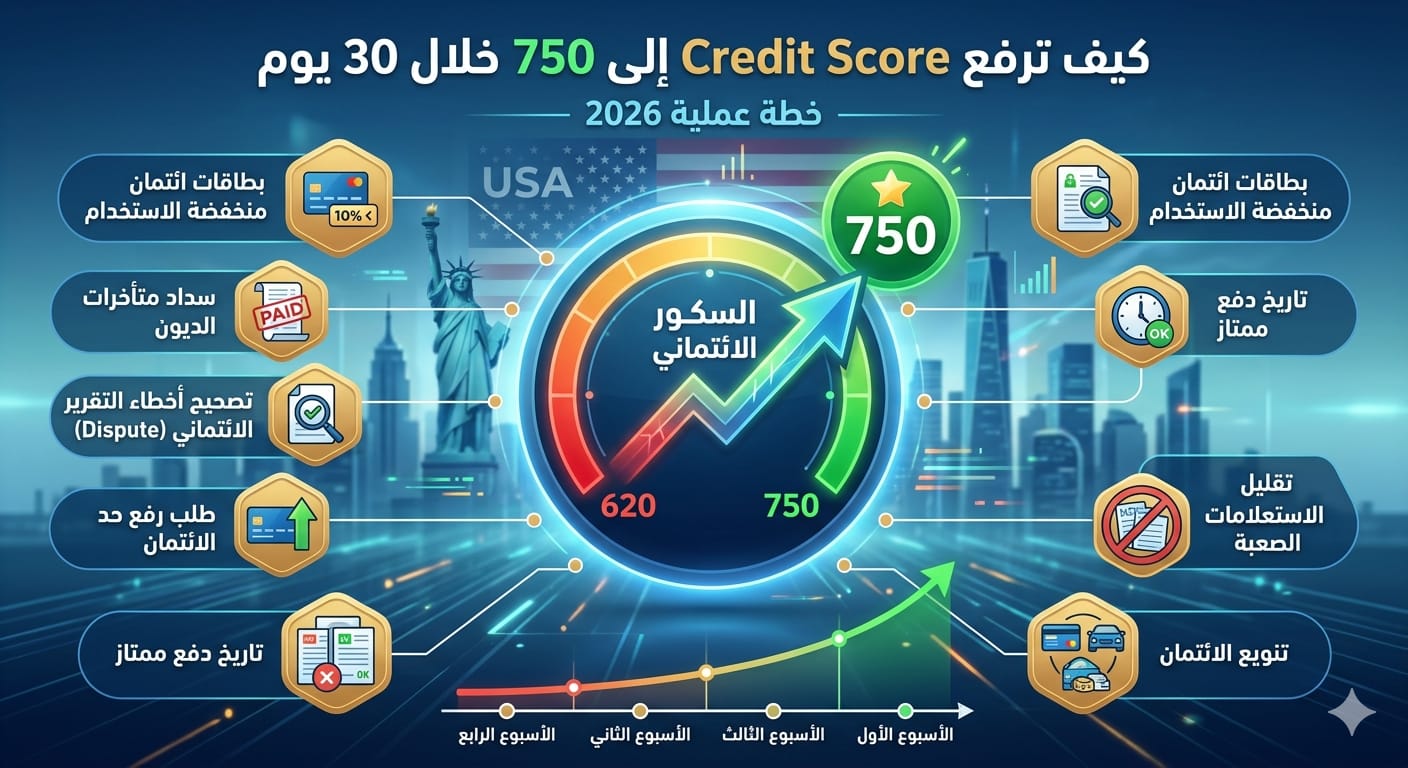
Your credit score affects approval odds and interest rates. Before applying: pay all bills on time, reduce credit card utilization, avoid opening new accounts, and avoid large new debt.
Understand Your Debt-to-Income Ratio
Lenders compare monthly debts (car payments, credit cards, student loans) against gross income. The lower your DTI, the safer you look to lenders.
Build Stable Income Documentation
Lenders want proof of income consistency through pay stubs, W-2 forms, tax returns, and bank statements. Clean records speed up approval.
PART 4 — Practical 60-Day Home Buying Plan
Week 1 — Financial Review: Check credit reports, calculate DTI, and identify best mortgage programs.
Week 2 — Mortgage Pre-Approval: Compare lenders and request pre-approval. This shows sellers you are serious.
Week 3 and 4 — Home Search: Visit homes, evaluate location quality, and estimate monthly payments.
Week 5 — Offer and Negotiation: Structures the offer for seller concessions and price adjustments.
Week 6 — Closing: Review closing disclosures, verify fees, and officially become a homeowner.
PART 5 — Biggest Mistakes First-Time Buyers Make
Opening new credit before closing and ignoring the total monthly cost (taxes, insurance, HOA, maintenance) are common pitfalls.
FAQ
Can I really buy a house with zero down? Yes, through VA and USDA loans or using DPA programs.
What credit score do I need? Many programs work with scores around 580–620.
Is USDA only for rural farmland? No, many suburban communities also qualify.
Conclusion
Buying your first home with no down payment is a financial strategy available when you understand the system. The buyers who succeed are the most prepared. Start thinking long-term because the best time to prepare is before prices rise further.