How to Reduce Taxes in the USA Without an Accountant and Save Over $5,000 Per Year (7 Proven Legal Strategies for 2026)
Business & Finance
Learn how to reduce taxes in the USA without an accountant using powerful tax reduction, tax credits, and tax deduction strategies. Save thousands of dollars legally.

How to Reduce Taxes in the USA Without an Accountant and Save Thousands of Dollars Annually
To reduce taxes legally in the USA without an accountant, you can use tax deductions, tax credits, retirement accounts, work expense deductions, income timing strategies, smart investing, and choosing the right deduction method.
Introduction
If you live or work in the United States, there’s a high chance you’re paying more taxes than necessary. The issue isn’t just high tax rates — it’s the lack of awareness about legal strategies that can significantly reduce your tax burden.
The U.S. tax system is designed with multiple opportunities to lower your taxes through tax deductions, tax credits, and strategic tax planning. However, these opportunities are rarely explained in a simple way for beginners.
In this guide, you’ll learn step-by-step how to use 7 legal strategies to reduce your taxes without hiring an accountant, with practical examples that can help you save thousands of dollars every year.
Understanding How Taxes Are Calculated in the U.S.
To reduce your taxes effectively, you must first understand how they are calculated. Taxes are not based on your total income, but on your “taxable income,” which you can legally reduce.
There are two key components: tax deductions, which reduce your taxable income, and tax credits, which reduce your actual tax bill. Using both effectively increases your savings.
Understanding this system is what separates average taxpayers from smart ones who pay significantly less.
Method 1: Use Tax Deductions to Lower Taxable Income
Tax deductions are one of the most powerful tools for reducing taxes because they directly lower the income being taxed.
How Tax Deductions Work
When you deduct expenses like education or donations, your taxable income decreases. The more deductions you have, the less tax you pay. This leads to direct savings at the end of the year. Keeping proper records is essential.
Method 2: Take Advantage of Tax Credits (More Powerful Than Deductions)
Tax credits reduce your tax bill directly, not just your income.
Why Tax Credits Are So Powerful
Some credits can reduce your taxes to zero. In some cases, they can even generate a refund. They are among the most effective savings tools. You should research them every year.
Method 3: Use Retirement Accounts to Reduce Taxes
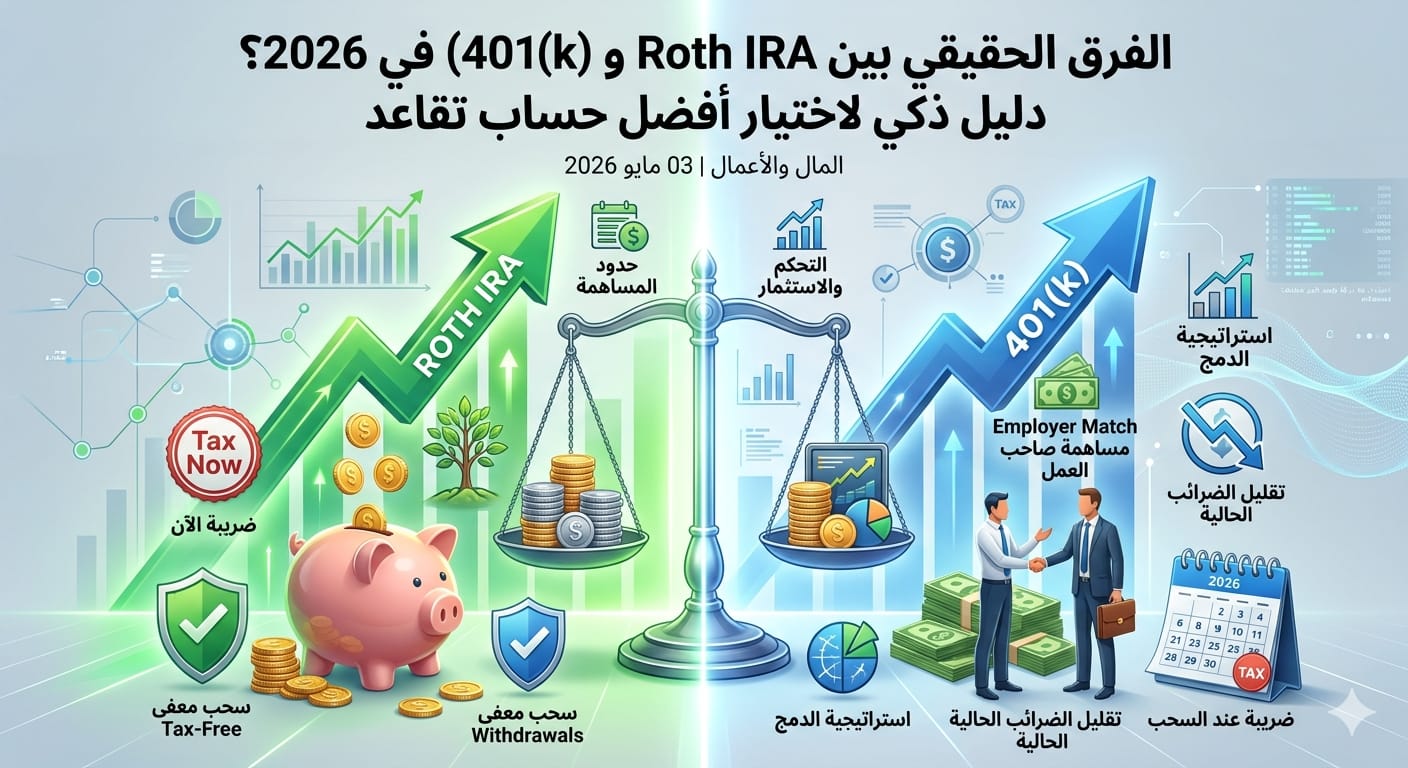
Retirement accounts like IRA and 401(k) offer dual benefits.
How Retirement Accounts Lower Taxes
Contributions are deducted from your income. This reduces your current tax burden. At the same time, you build long-term wealth. A smart financial strategy.
Method 4: Deduct Work Expenses (Great for Freelancers)
If you work from home or have side income, you can deduct many expenses.
What Expenses Can You Deduct
Internet, laptop, software, and part of your rent. These deductions significantly reduce taxes. Accurate tracking is crucial. Mistakes can cost you money.
Method 5: Smart Investing to Reduce Taxes
Investing is not just about making money, but also reducing taxes.
How Investing Helps
Long-term investments are taxed at lower rates. Losses can offset gains. This is called Tax Loss Harvesting. It’s widely used by professionals.
Method 6: Manage Income Timing
The timing of your income can affect your tax bracket.
How to Use This Strategy
Delay income to the next year. Accelerate expenses into the current year. This reduces your taxable income. Simple but highly effective.
Method 7: Choose the Right Deduction Type
There are two options: Standard vs Itemized Deduction.
How to Choose
Use Standard if your expenses are low. Use Itemized if your expenses are high. Compare both every year. This can save thousands.
Advanced Strategies Used by Professionals
Once you master the basics, you can move to advanced strategies.
Key Advanced Techniques
Income splitting among family members. Using investment losses strategically. Redistributing income streams. All are legal and effective.
Common Mistakes That Increase Your Taxes
Many people lose money due to simple mistakes.
Top Mistakes
Not using deductions. Ignoring tax credits. Poor expense tracking. Lack of planning.
Practical Plan to Save $5,000 in Taxes in One Year
Track all your expenses. Use all available deductions. Invest in retirement accounts. Review your tax strategy quarterly.
Standard vs Itemized Deduction (Detailed Comparison)
Choosing the right deduction method is critical.
When to Use Standard Deduction
Best for people with fewer deductible expenses. Simple and requires no documentation. Saves time and reduces errors. Ideal for employees.
When to Use Itemized Deduction
Best if you have mortgage interest or high expenses. Requires detailed documentation. Can significantly lower taxes. More effort but higher savings.
Tax Loss Harvesting Strategy
A powerful but underused strategy.
How It Works
Sell investments at a loss. Use the loss to offset gains. Reduce your taxable income. Requires basic planning.
Income Splitting Strategy
Helps reduce tax brackets.
How to Apply
Distribute income among family members. Lower overall tax liability. Useful for families and business owners. Must be done legally.
Smart Expense Planning
Planning expenses reduces taxes.
Practical Tips
Shift expenses between tax years. Adjust based on your income. Reduce taxable income. Increase flexibility.
Best Time to File Taxes
Timing matters.
Early vs Late Filing
Early filing = faster refunds. Late filing = more optimization time. Depends on your situation. Planning is key.
Build a Personal Tax System
Don’t wait until year-end.
How to Build It
Track income monthly. Use digital tools. Review quarterly. Avoid surprises.
Frequently Asked Questions (FAQ)
Can I reduce my taxes without an accountant?
Yes, by using clear legal strategies.
What is the best way to reduce my taxes?
Combining deductions and credits is best.
Is it possible to pay zero taxes?
In some cases, yes.
Does investing help?
Yes, especially in the long term.
What is the difference between tax planning and tax evasion?
Planning is legal and uses the law to your advantage. Evasion is illegal and exposes you to penalties. You must always abide by the law.
Can all these methods be combined?
Yes, and that's best. Each method complements the others. You can significantly reduce your taxes. Planning is the key.
Conclusion
Reducing taxes is not luck — it’s a strategy. By applying these methods, you can legally save thousands of dollars each year. Start today. Even one small step can make a huge difference in your financial future.