Explore the Captivating Realm of Robots: The World of Robots
Technology
The world of robotics has witnessed remarkable progress over the decades, with incredibly sophisticated intelligence becoming an integral part of our daily lives. Through our modern kitchens, we've become increasingly intelligent and adept at interacting with our surroundings.
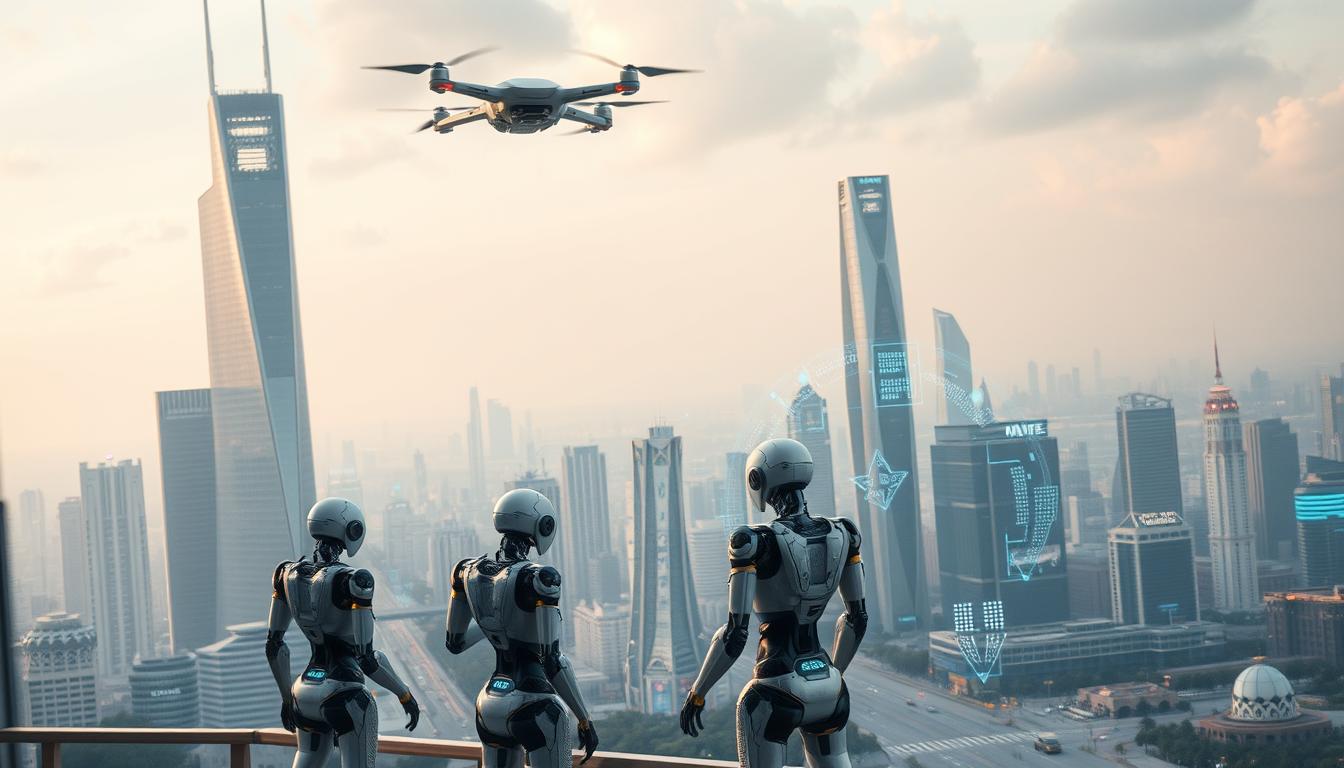
Robots have a significant impact on various sectors, including industry, healthcare, and education. With technological advancement, robots are expected to play a greater role in improving operational efficiency and providing innovative solutions to modern challenges.
Key Takeaways
- The development of robots opens new horizons in various fields.
- Smart robots contribute to improving productivity and efficiency.
- Human-robot interaction is continuously evolving.
- Robots play an important role in addressing future challenges.
- Investments in the field of robotics are increasing significantly.
The World of Robotics: A Comprehensive Overview
With technological advancements, robots have become more intelligent and complex, making them an integral part of many fields. In this section, we provide a comprehensive overview of the world of robotics, focusing on its definition, main types, and importance in the modern era.
Definition of Robotics and Its Main Types
Robotics is an integrated system that combines mechanical, electrical, and software engineering to perform specific tasks. There are two main types of robots:
Industrial Robots
Industrial robots are used in factories to perform tasks such as assembly, welding, and painting. These robots are designed to improve efficiency and increase productivity.
Service Robots
Service robots are designed to assist humans in various daily tasks such as cleaning, healthcare, and education. These robots are rapidly evolving to become more intelligent and interactive.
The Importance of Robots in the Modern Age
Robots play a significant role in improving quality of life and increasing efficiency across various sectors. Through their diverse applications, robots contribute to the advancement of industry, healthcare, and education.
| Type | Applications | Advantages |
| Industrial Robots | Assembly, welding, painting | Increased productivity, improved quality |
| Service Robots | Cleaning, healthcare, education | Improved quality of life, reduced daily burdens |
In conclusion, robots demonstrate tremendous potential in transforming our lives and improving various sectors. With continuous technological advancement, robots are expected to become more intelligent and impactful.
The History of Robotics Development
Robotics has a long history spanning centuries, beginning as simple machines and evolving into intelligent robots. Initially, robots were used in simple industrial tasks, but technological advancements made them more complex and sophisticated.
The Beginnings of Robotics
Robots began to emerge during the Industrial Revolution, where machines were used to automate industrial operations. These early machines were simple but paved the way for more advanced robots.
Main Stages in the Development of Robotics
Robotics went through several major development phases:
- The Industrial Revolution and factory automation
- The emergence of intelligent robots
The Industrial Revolution and Factory Automation
During the Industrial Revolution, robots were used to automate industrial processes, increasing productivity and reducing costs. This was the first step toward large-scale robot use.
The Emergence of Intelligent Robots
With technological progress, intelligent robots emerged, capable of learning and adapting to changing environments. These robots can perform complex tasks and are used in various fields such as industry and healthcare.
The Latest Developments in Robotics
Technological advancements have revolutionized robotics, making robots more advanced and complex. These developments span both technology and practical applications in various areas.
Modern Technological Innovations
Among the most notable modern innovations in robotics are nanorobots and self-learning robots. These robots can perform precise and complex tasks thanks to advancements in nanotechnology and artificial intelligence.
Nanorobots
Nanorobots are extremely small robots, at the nanoscale, used in precise medical and industrial applications. They can enter small areas inside the human body or machines to perform specific tasks.
Self-Learning Robots
Self-learning robots use artificial intelligence techniques to learn new tasks without prior programming. These robots can adapt to different environments and develop strategies to overcome challenges.
Leading Robotics Companies
Many leading companies contribute to the development of robotics technology. Among them is Boston Dynamics, known for developing advanced robots such as the Atlas robot.
Robotics Developments in Egypt and the Arab World
In Egypt and the Arab world, there are increasing efforts to develop robotics technology. Many universities and research institutions are working on advanced robotics projects, enhancing the region's technological capabilities.
The Development of Artificial Intelligence in Robotics
Artificial intelligence plays a crucial role in the advancement of modern robots, enabling them to learn and adapt to changing environments.
How AI Works in Robotics
AI operates in robots through advanced algorithms that enable them to process data, recognize patterns, and make decisions.
Machine Learning Techniques in Robotics
Machine learning techniques play an essential role in enabling robots to learn from experiences and improve their performance over time.
Deep Learning
Deep learning is a machine learning technique that uses artificial neural networks to analyze data.
Natural Language Processing
Natural language processing enables robots to understand and interpret human language, making human-robot interaction easier.
AI Applications in Modern Robotics
AI applications in robotics span multiple fields such as industry, healthcare, and services.
Future AI Robots
The robots of the future will not just be machines but intelligent entities capable of learning and adapting. With technological advancement, this vision is becoming more realistic.
Expectations for AI Development in Robotics
Experts expect that AI development in robotics will lead to major improvements across various fields such as industry and healthcare.
- Improved production efficiency
- Developing robots capable of interacting with humans
- Expanding the use of robots in medical fields
Challenges of Developing AI Robots
Despite significant progress, there are major challenges facing AI robot development. These include:
| Challenge | Description |
| Technical complexity | Developing advanced artificial intelligence systems |
| Ethical issues | Ensuring ethical use of robots |
| Cost | Developing intelligent robots requires large investments |
Self-Aware Robots: Reality or Fiction?
Self-aware robots are a controversial topic. Some believe they may become a reality in the future, while others consider them purely science fiction.
In conclusion, the future of AI robots is promising, with expectations of major advancements in the coming years.
The Future of Robotics in the Coming Decades
The coming decades will witness major developments in robotics, influencing various aspects of life. With technological progress, robots have become more intelligent and capable of interacting with their environment.
Global Robotics Development Trends
Projections indicate that robots will become more widespread across sectors such as industry, healthcare, and education. Some key trends include:
- Increased use of robots in industry to improve efficiency and productivity.
- Developing self-learning robots capable of adapting to different tasks.
- Using robots in healthcare to improve care and assistance services.
Technical and Ethical Challenges
Despite major advancements, robotics faces technical and ethical challenges. These include:
- Ensuring robot safety and privacy.
- Developing ethical standards for robot use in various fields.
- Addressing unemployment issues caused by replacing humans with robots.
The Role of Robots in Building Smart Cities
Robots will play an important role in building smart cities by improving infrastructure and providing better services to citizens. Applications include:
- Using robots in traffic management and improving road safety.
- Providing healthcare and educational services using robots.
- Improving energy and resource efficiency in cities.
In conclusion, the future of robotics looks promising with great potential to improve various aspects of life. However, addressing technical and ethical challenges is essential to ensure responsible and effective robot use.
Work Robots in 2030
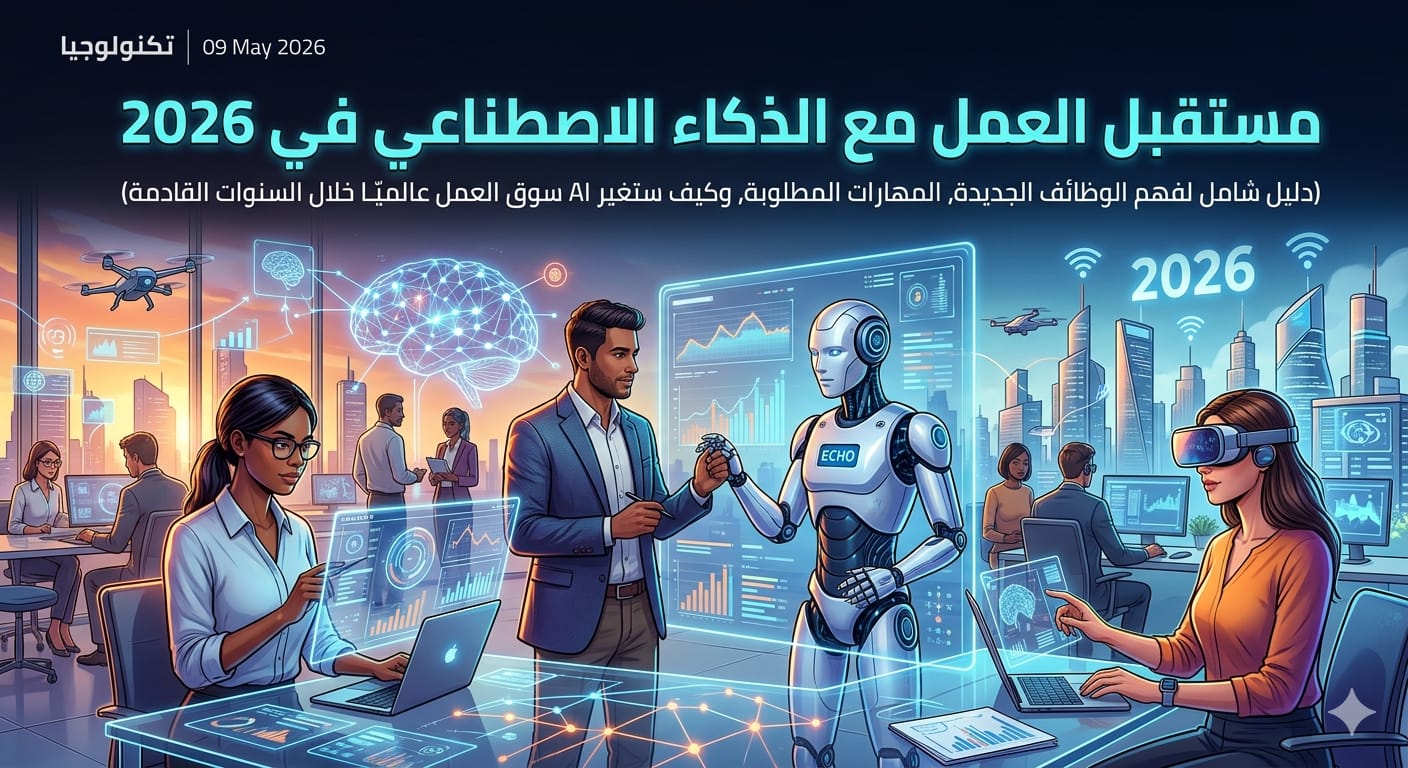
The rapid advancement in robotics technology will lead to widespread use of work robots across various fields by 2030. This expansion will significantly impact the job market and require workers and companies to adapt to this new technology.
Expectations for Work Robot Adoption
Many sectors are expected to see increased use of work robots, especially in areas requiring repetition or high precision. These robots will help improve productivity and reduce operational costs.
Sectors Most Affected by Work Robots
Several sectors will be most affected by work robots, including:
- Industry and manufacturing
- Logistics and distribution
Industry and Manufacturing
In industry and manufacturing, work robots will be used for tasks such as assembly, welding, and inspection. These robots will help improve product quality and reduce production time.
Logistics and Distribution
In logistics and distribution, work robots will be used for tasks such as storage, retrieval, and packaging. These robots will help improve operational efficiency and reduce costs.
The Readiness of the Egyptian Job Market for 2030 Robots
The Egyptian job market will need to prepare for increased use of work robots in the future. This requires investment in training and skill development to handle this technology.
The Future of Jobs with Robots
With the spread of robots across various sectors, the future of jobs raises many questions about expected changes. In this context, we explore how robots will affect current and future jobs.
Jobs at Risk of Replacement
Robots are expected to affect many traditional jobs, especially those involving repetitive tasks or tasks that machines can perform. Some examples include:
- Assembly line workers
- Drivers
- Employees in simple service fields
New Jobs Created by Robots
On the other hand, the emergence of robots will create new job opportunities in fields such as:
- Robot maintenance and development
- Programming and training robots
- Data analysis generated by robot operations
Future Skills for Living in the Era of Robots
To adapt to changes brought by the spread of robots, it will be essential to develop new skills such as:
- Programming and working with advanced technologies
- Analytical thinking and problem-solving
- Human-machine collaboration
The Impact of Robots on the Job Market in Egypt
In Egypt, applying robotics will have major impacts on the job market. The expected impacts include:
| Sector | Expected Impact |
| Industry | Increased reliance on robots in production lines |
| Transportation | The emergence of self-driving vehicles |
| Services | Using robots in service delivery |
With these developments, it becomes essential for workers in Egypt to develop their skills to keep up with changes in the job market.
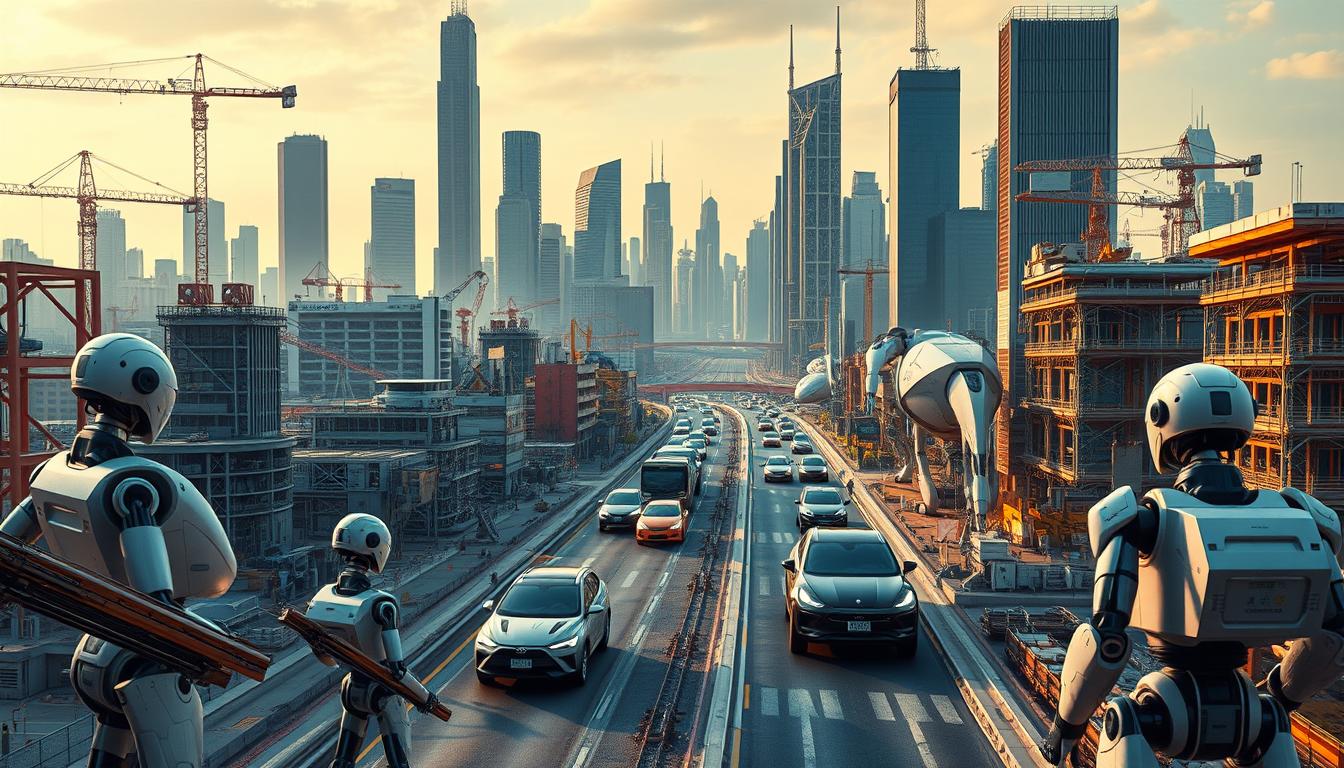
Robots and the Changing Job Market
With technological advancement, robots have become an integral part of the global job market. This development significantly affects labor economics and requires effective adaptation strategies.
The Impact of Robots on Labor Economics
Robots and artificial intelligence are changing the nature of jobs and affecting the demand for labor. Some jobs may disappear, while new ones emerge that require advanced technical skills.
- Increased productivity due to advanced technology.
- Changes in the structure of the job market and effects on traditional jobs.
- The need to train and qualify workers to deal with new technologies.
Strategies for Adapting to the Changing Job Market
To cope with changes in the job market, individuals, companies, and governments must adopt effective strategies.
- Developing the skills needed to deal with modern technology.
- Promoting a culture of innovation and continuous learning.
- Supporting policies that encourage adaptation to technological changes.
The Role of Governments in Regulating the Use of Robots
Governments play a crucial role in regulating the use of robots and ensuring their positive impact on the job market.
Governments can:
- Establish policies that encourage innovation and technological development.
- Provide training and qualification programs for workers.
- Ensure the protection of workers' rights amid technological change.
The Use of Robots in Companies
The use of robots in companies enhances productivity and reduces costs. In the modern era, robots have become an integral part of many industries, contributing to improved product quality and increased operational efficiency.
Benefits of Using Robots in the Workplace
Robots offer many benefits to companies, including:
- Increased productivity and efficiency
- Reduced costs and improved quality
Increased Productivity and Efficiency
Robots can perform tasks with high speed and precision, increasing the company’s productivity. They can also work for long periods without needing rest, which boosts overall efficiency.
Reducing Costs and Improving Quality
With robots, companies can reduce operational costs by minimizing the need for human labor in some tasks. Additionally, robots reduce human errors, leading to improved product quality.
Successful Examples of Companies Using Robots
Many companies around the world have benefited from using robots. For example, "BMW" uses robots in production lines to improve efficiency and reduce costs.
Experiences of Egyptian Companies with Robotics Technologies
In Egypt, some companies have begun adopting robotics technologies to improve their operations. This step reflects the global movement toward modern technology and strengthens the competitiveness of Egyptian companies.
The Future of Robots in Education
Educational robots represent a promising future for modern learning, combining technology and education to enhance the learning experience.
The Role of Robots in Developing Education
Robots play an important role in enhancing education by providing interactive and enjoyable learning experiences. They help students understand complex concepts through practical methods.
Global Experiences in Using Educational Robots
There are many successful global experiences in using educational robots. For example, in Japan, robots are used to teach programming and robotics.
The Future of Robots in the Egyptian Educational System
In Egypt, efforts are underway to integrate robots into the educational system, focusing on developing students’ skills in science and technology.
Challenges and Opportunities
Integrating robots into education faces some challenges, such as the need to train teachers and provide the necessary infrastructure.
Robotics Education Initiatives in Egypt
There are several initiatives in Egypt aimed at enhancing the use of robots in education, including organizing student competitions and offering training courses for teachers.
| Experience | Description | Results |
| Using robots in teaching science | Using robots to explain scientific concepts | Improved student understanding of complex concepts |
| Teaching programming using robots | Using robots to teach programming basics | Development of students’ programming skills |
The Future of Robots in Medicine
With technological advancement, robots are playing a crucial role in improving healthcare and delivering more precise treatments. In this context, robots are used in various medical fields, enhancing the efficiency of medical procedures and improving patient outcomes.
Surgical and Diagnostic Robots
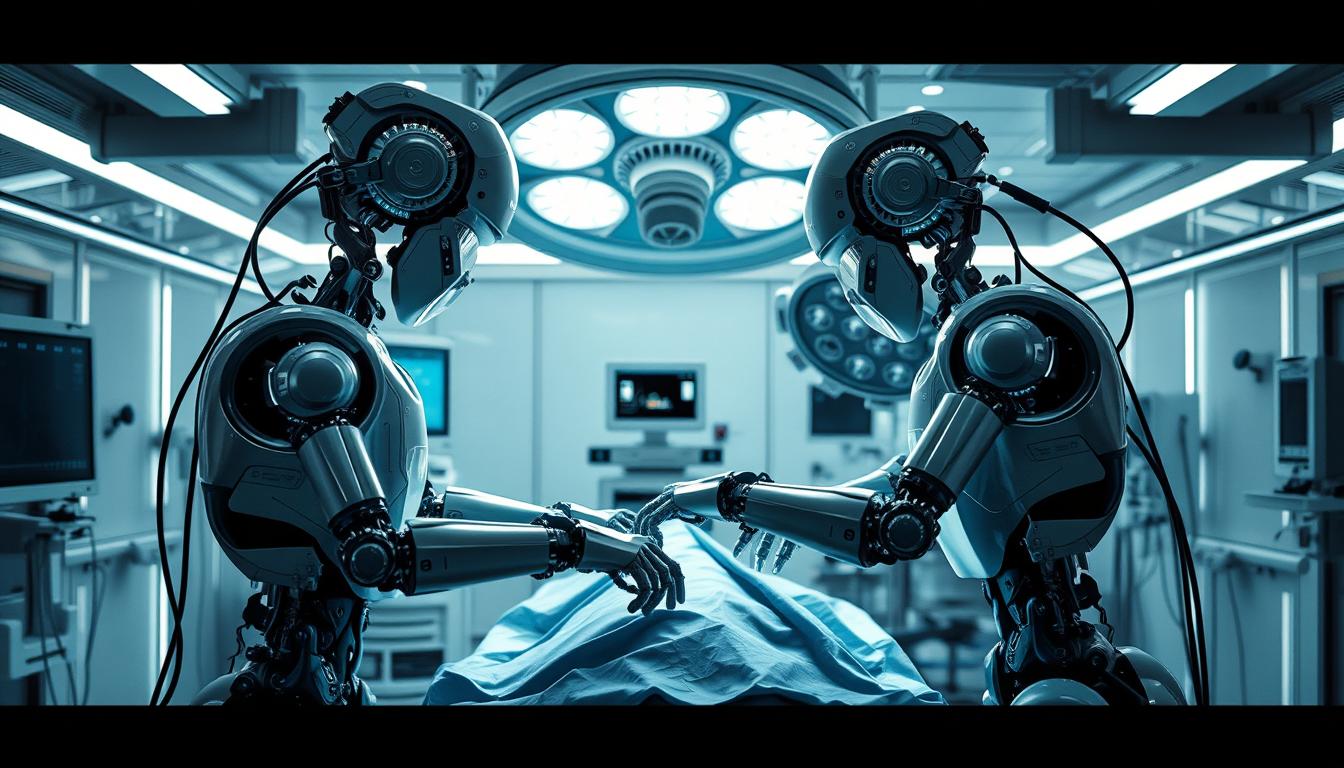
Surgical robots have become common in many hospitals worldwide, enabling doctors to perform precise and complex surgeries thanks to advanced technology. These robots offer 3D vision and precise control, reducing risks and improving surgical outcomes.
Healthcare and Assistance Robots
Healthcare robots are used to provide support for patients, especially the elderly or those with special needs. These robots are capable of reminding patients of medical appointments, offering psychological support, and even assisting with some daily tasks.
The Future of Healthcare with Robots
The future of healthcare will be more advanced as robotics technology continues to progress. It is expected that we will see more sophisticated robots capable of better interaction with patients and providing more personalized healthcare.
Medical Robotics Applications in Egyptian Hospitals
In Egypt, hospitals have started to adopt medical robotics technology, especially in surgery. Many major hospitals have invested in surgical robots, contributing to improved healthcare quality for patients.
By using robots in medicine, patient outcomes can be improved and healthcare can be delivered more efficiently. With ongoing technological progress, the future of robotics in medicine is expected to play a larger role in enhancing healthcare.
The Future of Humanoid Robots
Modern technology is moving toward developing robots that resemble humans in shape and function. This advancement opens new horizons in various fields, from healthcare to entertainment.
Development of Humanoid Robots
The field of robotics is witnessing rapid development in designing human-like robots. These robots are designed to perform complex tasks and interact with the surrounding environment in a more human-like manner.
Applications of Humanoid Robots
Humanoid robots are used in various fields:
Social Care
Robots help provide care for the elderly and children, offering emotional support and assistance with daily tasks.
Entertainment and Tourism
Robots are used to provide unique entertainment experiences, such as interacting with visitors at tourist attractions and entertainment centers.
Ethical and Social Challenges
Despite the benefits, there are ethical and social challenges that must be addressed, such as privacy issues and the impact of robots on the labor market.
We must consider the impact of this technology on society and work to achieve a balance between technological development and social needs.
Future Robots in Our Daily Lives
The development of robots opens new horizons for their applications in different areas of life. With technological advancements, robots have become capable of performing more complex tasks and adapting to human needs.
Home and Personal Robots
Home robots, such as robotic vacuum cleaners and cooking robots, are revolutionizing home management. These robots not only perform routine tasks but also help save time and effort.
Transport and Mobility Robots
Transport robots, such as self-driving cars, are advanced technologies designed to enhance road safety and efficiency. This technology aims to reduce traffic accidents and improve the driving experience.
How Robots Will Change Our Daily Routines
Robots will change our daily routines by automating everyday tasks, giving us more time to focus on creative and social activities.
The Future of Smart Homes with Robots
Smart homes operated by robots will be more efficient and comfortable. Robots will help manage energy, household appliances, and even provide healthcare.
| Application | Description | Impact |
| Home Robots | Performing routine tasks | Saving time and effort |
| Transport Robots | Self-driving cars | Improving safety and efficiency |
| Smart Homes | Managing the home using robots | Comfort and energy efficiency |
In conclusion, robots will become an integral part of our daily lives, opening new horizons for comfort and efficiency.
The Impact of Robots on Humans
Robots have become an integral part of our daily lives, raising questions about their impact on humans. As technology advances, robots’ ability to interact with humans increases, opening new possibilities for understanding their influence.
Psychological and Social Effects
The impact of robots on humans is not limited to technical aspects but also includes psychological and social effects. For example, frequent interactions with robots may lead to changes in social behavior and affect human relationships.
It is worth noting that some studies suggest that robots may have positive effects on mental health, such as providing emotional support and assistance in caregiving tasks.
The Future Relationship Between Humans and Robots
As robots evolve, the relationship between humans and robots is expected to become more complex and integrated. There will be an increasing need to understand how to design robots that align with human needs and expectations.
Ethical and Legal Issues
There are many ethical and legal issues that arise with the advancement of robotics. Among these issues:
- Robot rights
- Responsibility for robot actions
Robot Rights
There are discussions about whether robots deserve rights similar to human rights. This includes considering the extent to which robots can make decisions and possess consciousness.
Responsibility for Robot Actions
As robots become more autonomous, it becomes necessary to determine responsibility in case of errors or accidents. This requires establishing a clear legal framework that defines responsibilities and consequences.
| Issue | Description | Challenges |
| Robot Rights | Considering granting rights to robots | Defining criteria for consciousness and awareness |
| Responsibility for Robot Actions | Determining responsibility in case of accidents | Establishing an appropriate legal framework |
In conclusion, the impact of robots on humans is a multifaceted topic that requires in-depth study and continuous monitoring. By understanding the psychological, social, ethical, and legal effects, we can better prepare for the future of intelligent robots.
Conclusion
In the ever-evolving world of robotics, we find ourselves on the verge of a promising future filled with opportunities. As technology advances, robots have become an integral part of our daily lives, contributing to improved efficiency and increased productivity.
The future of intelligent robots carries many challenges and opportunities. The coming years are expected to witness major developments in artificial intelligence and its applications across various sectors, leading to significant changes in the labor market and industry.
It is essential to prepare for this future by investing in education and vocational training, and developing the skills necessary to adapt to the era of robotics. Governments and companies must work together to ensure a smooth transition into this new era.
In the end, it can be said that the world of robotics holds promising prospects, and understanding these developments will play a crucial role in shaping our future.
FAQ
What is the future of intelligent robots?
Intelligent robots are expected to become more advanced and influential in various fields, including industry, services, education, and medicine.
How will robots affect the job market?
Robots will lead to changes in the job market, as they may replace some traditional jobs, but they will also create new opportunities in fields such as robot maintenance and development.
What are the ethical challenges related to robots?
Ethical challenges include issues such as robot rights, responsibility for their actions, and their impact on social and human relations.
How will robots be used in education?
Robots will be used in education to enhance the learning experience, provide interactive educational activities, and improve skills in areas such as programming and engineering.
What is the role of robots in medicine?
Robots play an increasing role in medicine, including surgery, diagnostics, and healthcare, helping improve patient outcomes and reduce costs.
How will robots change our daily lives?
Robots will lead to changes in our daily lives, including smart homes, transport robots, and personal services, increasing comfort and efficiency.