How Do Algorithms Shape Your Digital Personality in 2026? The Hidden Truth About AI That Reprograms Your Thoughts, Decisions, and Daily Behavior
Technology
How Algorithms Shape Your Digital Personality | AI and Social Media Algorithms in 2026
Discover how algorithms shape your digital personality and influence your thoughts, decisions, emotions, and online behavior through AI, social media, big data, and behavioral targeting in the modern digital economy.
How Do Algorithms Shape Your Digital Personality and Why Does Artificial Intelligence Know You Better Than You Know Yourself?
Introduction
In the modern digital age, people no longer use the internet only as a communication or search tool. Instead, humans now live inside massive digital ecosystems powered by artificial intelligence, recommendation engines, behavioral analytics, and predictive algorithms. Every click, every like, every search, every pause while watching a video, and even the speed of scrolling on a smartphone becomes part of a giant behavioral data system designed to understand users on a psychological level.
Most people believe algorithms simply organize content and recommend videos or products based on preferences. However, the reality is far deeper. Modern algorithms are capable of analyzing emotions, attention patterns, consumer behavior, social reactions, fears, desires, and future interests with extraordinary accuracy. Technology companies are no longer competing only in software development or social media growth. Today, the real competition revolves around understanding human behavior better than competitors.
This transformation created what experts now call the “digital personality.” Platforms such as social media networks, video applications, search engines, and advertising systems continuously build psychological and behavioral profiles about users. These profiles are then used to personalize content feeds, optimize advertising performance, increase user retention, and maximize digital profits.
The problem is that most users do not realize how deeply algorithms influence their daily thinking patterns. Social media platforms do not merely show people what they already enjoy. Instead, algorithms slowly reshape attention spans, reinforce emotional reactions, influence purchasing decisions, and create digital environments that gradually affect personal identity and perception of reality.
In recent years, major American technology companies have invested billions of dollars into artificial intelligence systems capable of predicting user behavior before users consciously make decisions themselves. This changed digital marketing, online advertising, eCommerce, entertainment, and even political communication forever.
In this article, we will deeply explore how algorithms shape your digital personality, how artificial intelligence analyzes human behavior, how social media algorithms affect attention and psychology, and how digital platforms engineer modern behavior in ways most people never notice.
What Is a Digital Personality and Why Has It Become So Important?
A digital personality is the behavioral and psychological profile created by algorithms based on your online activities, interactions, interests, habits, emotions, and attention patterns. Unlike traditional personal information such as age or location, a digital personality is built dynamically through behavioral data collected every second while using digital platforms.
Every social media platform, search engine, streaming service, or eCommerce website continuously collects information about users. When someone watches certain videos repeatedly, searches for specific topics, pauses longer on emotional content, or interacts with particular communities, algorithms begin detecting patterns linked to personal psychology and interests.
Over time, artificial intelligence systems become capable of predicting future behavior with remarkable accuracy. Platforms can often estimate what users may want to buy, watch, fear, support, or search for before users consciously realize those desires themselves.
This digital personality has become extremely valuable because modern digital economies depend heavily on user attention and behavioral prediction. Companies use these insights to improve targeted advertising, increase engagement, personalize recommendations, and maximize revenue.
Digital personality systems also influence more than shopping behavior. They shape what users see daily, which opinions repeatedly appear in feeds, what communities people join, and which ideas gain emotional reinforcement through algorithmic exposure.
As a result, algorithms are no longer passive recommendation tools. They actively participate in shaping modern perception, identity, emotional reactions, and online decision-making.
How Do Algorithms Build Your Digital Personality?
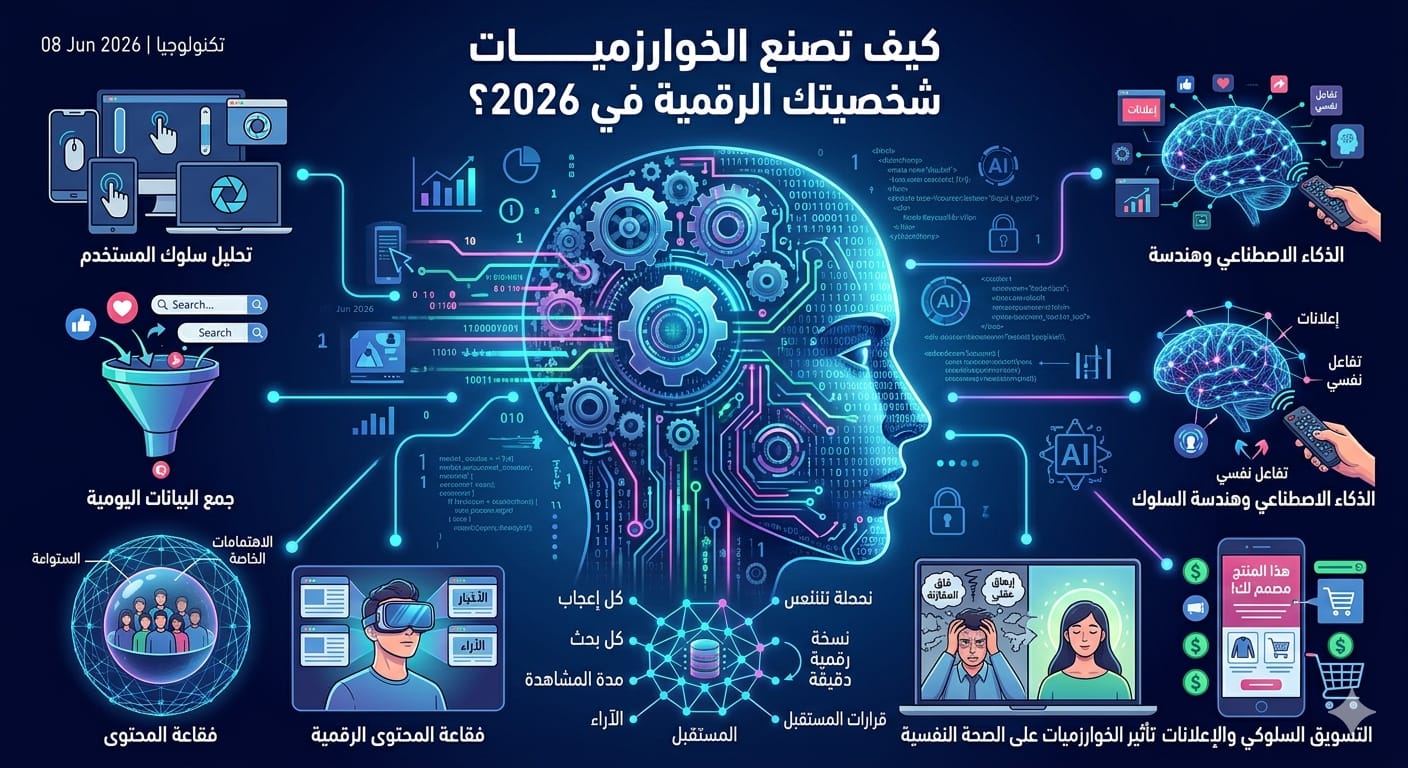
Algorithms collect behavioral signals from searches, likes, comments, watch time, clicks, scrolling behavior, and interaction patterns. Artificial intelligence systems then analyze these signals to understand psychological interests, emotional triggers, attention habits, and behavioral preferences. Over time, these systems create highly detailed digital profiles capable of predicting future actions and influencing online experiences.
How Digital Platforms Collect Your Daily Data
Every application and digital service users interact with collects enormous amounts of behavioral information. Most people assume platforms only collect obvious data such as names or account details, but modern AI systems track much deeper behavioral indicators. Platforms analyze how fast users scroll, how long they stop on content, what type of videos trigger emotional engagement, and which topics produce repeated interaction patterns.
Why Is Data Called the New Oil?
Data gives companies the ability to understand and predict human behavior at massive scale. The more accurate behavioral data becomes, the more powerful advertising systems and recommendation engines become. That is why behavioral data has become one of the most valuable economic assets in the modern digital economy.
How Algorithms Control Human Attention
The modern internet economy revolves around one essential resource: human attention. Every platform competes aggressively to keep users engaged for the longest possible time because attention directly generates advertising revenue and behavioral insights. Algorithms are designed specifically to identify content most likely to capture emotional reactions and maintain engagement.
Why Does Smartphone Usage Become More Addictive Over Time?
Algorithms continuously learn what captures individual attention most effectively. The more users interact with platforms, the more accurately systems personalize emotional and behavioral stimulation. This creates continuous feedback loops that strengthen digital dependency and compulsive engagement behavior.
How Algorithms Influence Thoughts and Opinions
Algorithms do not simply display neutral information. Instead, they shape informational environments by repeatedly exposing users to specific perspectives, emotions, narratives, and behavioral patterns. When certain ideas appear repeatedly, the human brain gradually interprets them as more familiar or socially accepted.
What Is a Digital Filter Bubble?
A filter bubble occurs when algorithms repeatedly show users content aligned with existing interests and opinions. This creates a limited digital environment where users mainly encounter familiar perspectives, reducing exposure to alternative viewpoints and increasing intellectual polarization.
The Psychological Impact of Algorithms on Mental Health
Mental health has become one of the most affected areas in the digital world. Constant exposure to high-speed content, emotional stimulation, social comparison, and endless notifications affects psychological stability. Social media platforms frequently promote idealized lifestyles, which can increase anxiety, insecurity, and emotional dissatisfaction.
Why Does Social Media Increase Emotional Exhaustion?
The brain constantly processes massive amounts of emotional stimulation and information overload. Algorithms prioritize emotionally intense content because it drives higher interaction rates, creating continuous psychological pressure and mental fatigue over extended periods.
How Companies Use Digital Personalities for Advertising
Modern advertising systems rely heavily on digital personality analysis to predict consumer behavior. Artificial intelligence systems analyze browsing behavior, purchase history, and content interests to determine which advertisements users are most likely to engage with. This is often called behavioral targeting or predictive advertising.
Why Do Some Ads Feel Like They Read Your Mind?
Algorithms analyze enormous amounts of behavioral data continuously. Search history, engagement behavior, and viewing patterns help AI systems predict future interests accurately, which is why targeted advertisements often appear highly personalized and psychologically relevant.
Have Algorithms Become More Powerful Than Human Choice?
Humans still make decisions independently, but algorithms strongly shape the environments in which those decisions occur. Digital platforms are intentionally designed using psychological reward systems to maximize engagement duration, which can gradually weaken independent thinking.
Can People Resist Algorithmic Influence?
Yes, digital awareness is the first step. Reducing screen time and diversifying information sources helps minimize algorithmic conditioning. Conscious control over digital habits significantly reduces dependence on personalized recommendation systems.
How to Protect Your Digital Identity in the AI Era
Protecting digital identity is essential. Limiting unnecessary data sharing and reviewing privacy settings are important steps. Users should also diversify information sources rather than relying entirely on algorithmically personalized feeds. Taking regular breaks from digital stimulation improves concentration and mental clarity.
How Can You Build a Healthier Relationship With Technology?
Use technology intentionally rather than passively consuming endless content. Spend daily time away from smartphones and maintain a balance between digital experiences and real-world activities and relationships.
Conclusion
Algorithms are no longer simple technical tools; they have evolved into intelligent behavioral systems capable of analyzing human psychology and shaping decisions. The modern digital economy is built on attention engineering, making digital personality a core component of online life. Understanding these systems gives individuals greater control over their mental health and behavioral independence.
FAQ – People Also Ask?
What is a digital personality?
A digital personality is the behavioral profile algorithms create using user data, online habits, interests, and interaction patterns across digital platforms.
Do algorithms control human thinking?
Algorithms do not fully control thinking, but they strongly influence what content users repeatedly see, which can shape attention and opinions over time.
Why are online ads so accurate?
Artificial intelligence analyzes behavioral data, browsing patterns, and personal interests to create highly targeted advertising systems.
How can I reduce algorithmic influence?
Reduce excessive screen time, diversify information sources, review privacy settings, and consciously manage digital habits.