Can You Study and Work at the Same Time in the USA (2026)? Complete Guide for International Students
Education
Yes, international students can study and work in the USA in 2026, but under specific legal conditions. Students on an F-1 visa can work up to 20 hours per week during the academic term (on-campus), and full-time during breaks. Programs like CPT and OPT allow off-campus work related to your field of study. Success depends on balancing work and academics effectively.
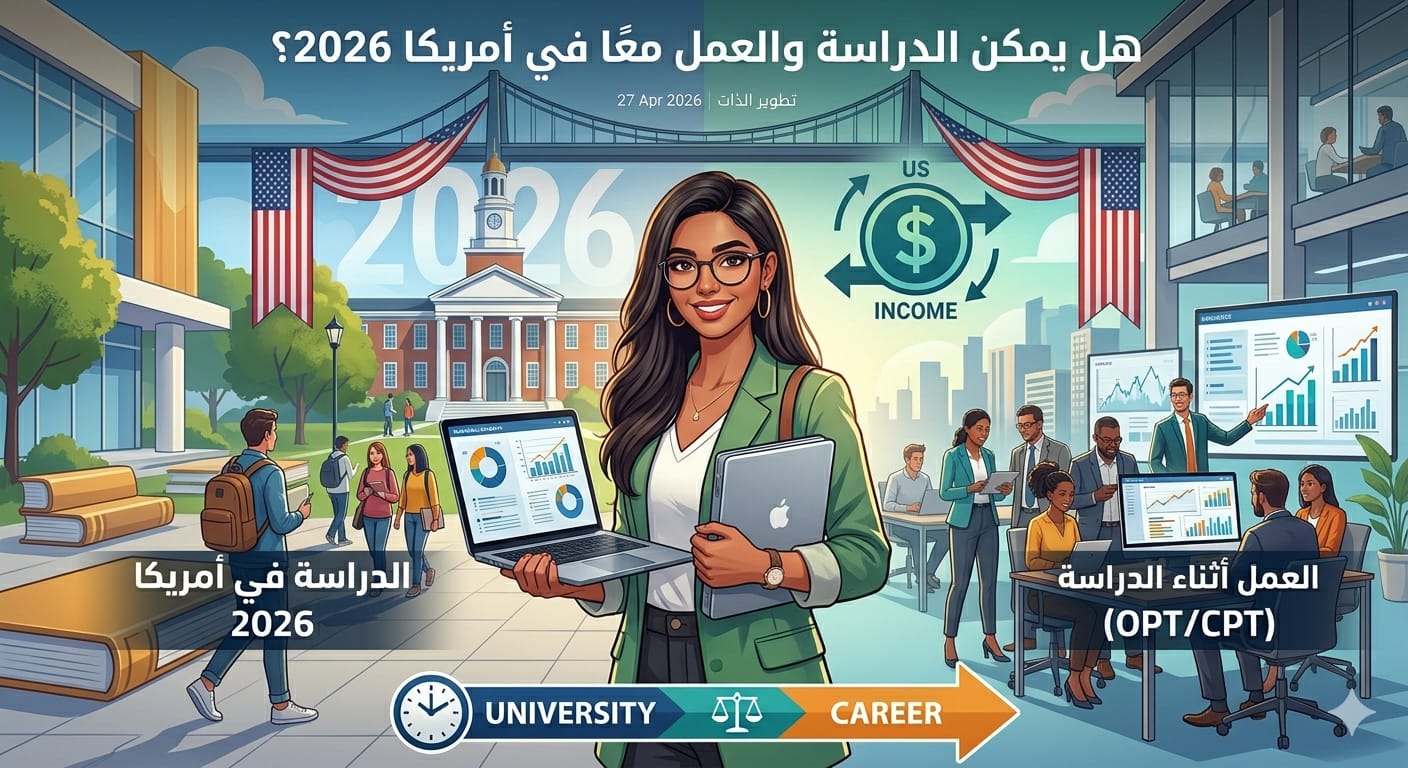
In 2026, working while studying in the United States is no longer optional—it has become a financial necessity for many international students. The rising cost of tuition and living expenses makes it difficult to rely solely on personal or family funding. Many students seek part-time jobs to cover essential expenses and reduce financial pressure. At the same time, working provides valuable real-world experience that boosts employability after graduation. Understanding your options and legal rights is the key to balancing study and work successfully.
Yes, U.S. law allows international students to work under specific regulations. You must hold a valid F-1 student visa and be enrolled full-time. Working without authorization can lead to serious consequences, including visa termination. There are different categories of work depending on your academic stage. Understanding these rules is essential to stay compliant and avoid risks.
Students can work within university premises without complex approval. Up to 20 hours per week during semesters. Simple hiring process compared to off-campus jobs. Typical roles include library assistant, cafeteria staff, or administrative support.
Require special authorization such as CPT or OPT. Must be related to your field of study. Need approval from both university and immigration authorities. Offer higher income and better career experience. Essential for career growth in the U.S.
There are various job opportunities available depending on your skills and location. Some roles require no prior experience, while others demand technical expertise. Choosing the right job helps you earn income without harming your academic performance. Your goal should be both financial support and skill development. Strategic job selection can shape your future career.
Income varies based on job type and working hours. Students typically work up to 20 hours per week during the semester. Average hourly wage ranges from $10 to $20. Monthly income can reach $800–$1600. This income helps cover part of living expenses.
Varies by state and location. Some states offer higher pay rates. On-campus jobs usually pay less. But they provide stability and convenience.
Work full-time during holidays. Learn high-income skills. Gain experience and promotions. Build a strong professional profile.
It depends on how well you manage your time. Some students succeed in balancing both. Others struggle due to poor planning. Education must always be your priority. Work should enhance—not harm—your progress.
Create a structured daily schedule. Prioritize academic responsibilities. Avoid procrastination. Stay organized and consistent.
Working and studying can cause stress. Rest and recovery are essential. Support systems help maintain balance. Mental health is key to success.
Success requires a clear strategy, not luck. You must manage time efficiently. Choosing the right job is critical. Keep your primary focus on education. Work should support—not replace—your academic goals.
Pick a job that doesn’t drain your energy. Prefer roles related to your field. Flexible hours are important. Avoid physically exhausting work.
Use work experience to learn. Continuously upgrade your skills. Build professional connections. Think long-term about your career.
These programs allow legal off-campus work. They are directly related to your field of study. Provide real-world experience. Improve your employability after graduation. Essential for career growth in the U.S.
Available during your studies. Part of your academic program. Requires university approval. Ideal for internships.
Usually after graduation. Allows up to 12 months (or more for STEM). Provides real job experience. Helps transition into full-time employment.
It depends on how well you manage your time. Some students succeed in balancing both. Others struggle due to poor planning. Education must always be your priority. Work should enhance—not harm—your progress.
Improves responsibility. Builds practical skills. Enhances time management. Increases independence.
Lower academic performance. Chronic fatigue. Sleep deprivation. Mental distraction.
The job market will continue evolving due to technology. Some roles will disappear due to automation. New careers will emerge in modern industries. Continuous learning will be essential. Skills will matter more than degrees.
Some jobs are ideal for international students. They offer balance between income and flexibility. Require minimal experience. Easy to access and apply. Suitable for academic schedules.
Library assistant. Cafeteria worker. Customer service. Data entry clerk.
Web developer. Graphic designer. Content writer. Social media manager.
Yes, many jobs such as trades and driving do not require a college degree.
No during semesters, but full-time is allowed during breaks.
No, it can lead to visa termination.
Usually not, but it helps significantly.
On-campus jobs or freelancing.
Yes, especially in tech-related fields.
You can successfully study and work in the U.S. by following legal rules. Balance is the key to success. Choosing the right job is crucial. Time management is everything. Start smart and build your future step by step.