Munich Sightseeing: Exploring the City's Top Landmarks
Travel & Tourism
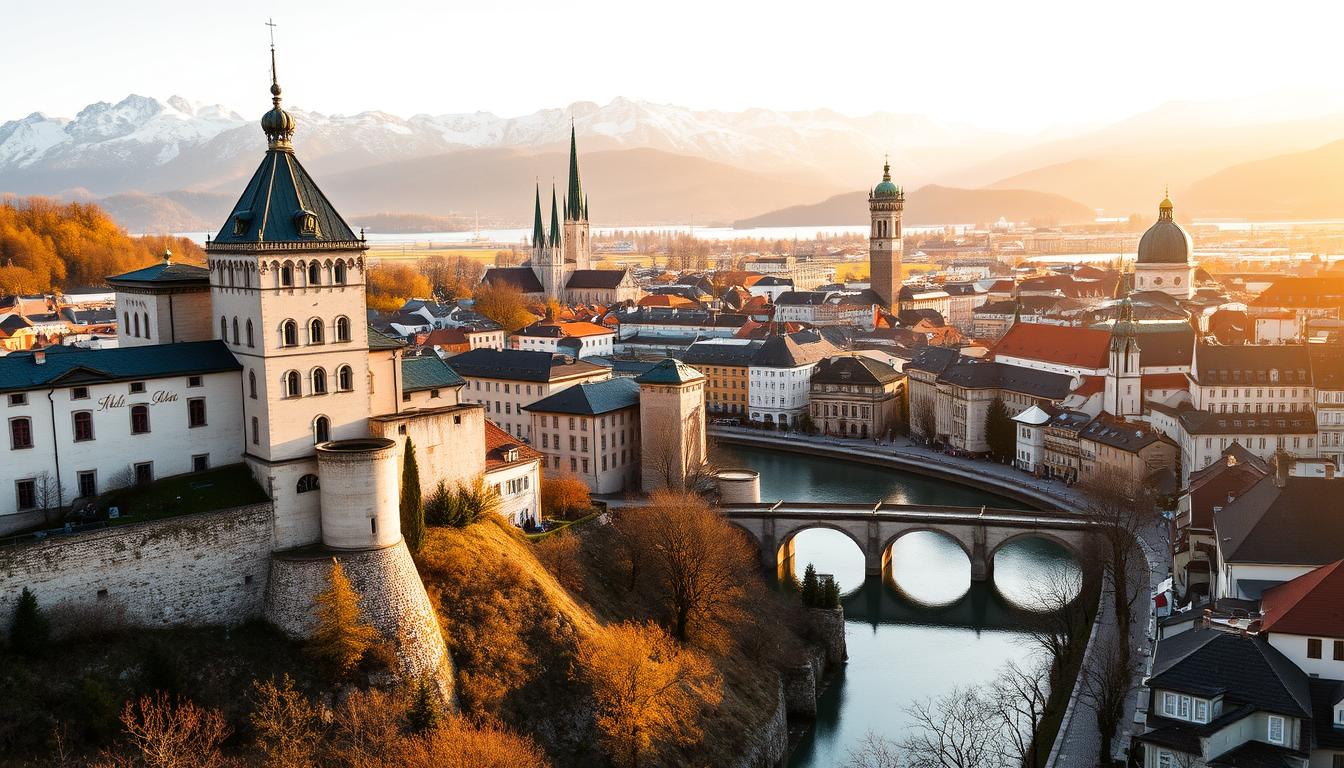
It is one of the most important tourist destinations in Europe, combining historical, cultural, and economic richness. The city boasts unique landmarks, such as historic palaces and world-class museums, making it stand out from the rest of the world.
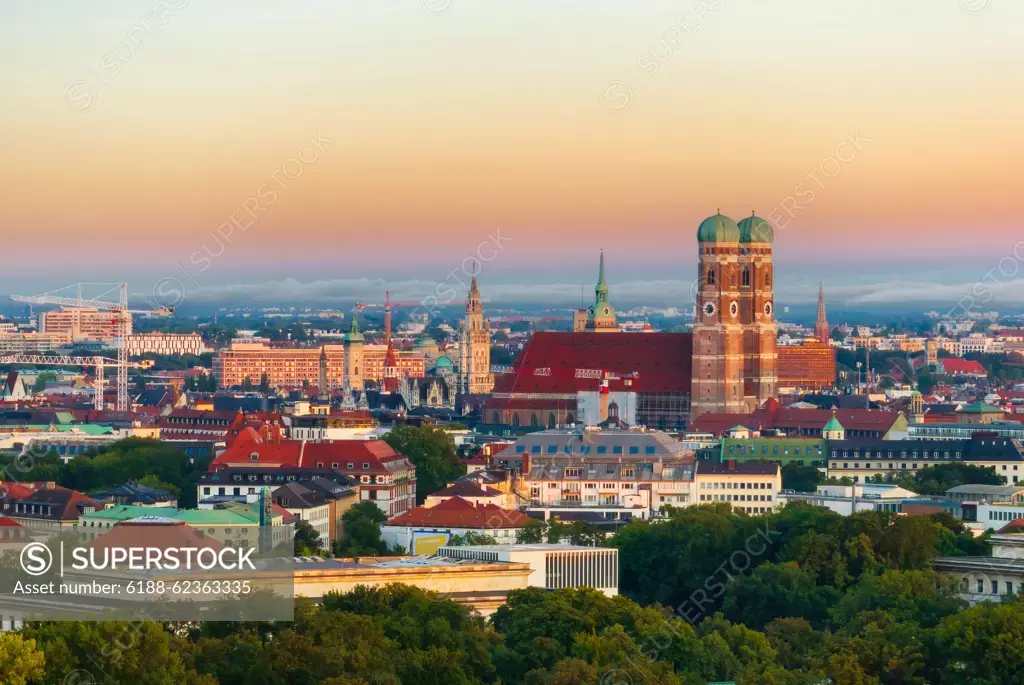
By reviewing its tourist, historical, and economic significance, we find that Munich offers a complete tourist experience. The city enjoys a strong economy and combines modernity with heritage, making it one of the most attractive cities in Europe.
Key Takeaways
- Munich is a comprehensive tourist destination that combines historical and cultural heritage.
- The city features unique tourist landmarks such as historical palaces and museums.
- Munich’s economy is strong and prosperous.
- Munich blends modernity with tradition.
- Munich is one of the most important tourist destinations in Europe.
A Historical Overview of Munich and Its Importance to Germany
Munich, the jewel of southern Germany, has a deeply rooted history spanning several centuries. The city was founded in the 12th century and became an important urban and economic center in the region.
The Origin and Development of Munich Throughout the Ages
Munich was founded in 1158 by the Holy Roman Emperor Henry the Lion. Initially, the city was a small settlement on the banks of the Isar River. Over time, Munich developed into an important commercial center thanks to its strategic location.
During the Middle Ages, Munich experienced significant population and economic growth. In the 14th century, the city became part of the Duchy of Bavaria and began attracting artists and craftsmen.
Munich’s Role in the History of Bavaria and Germany
Munich played a crucial role in the history of Bavaria and Germany. In the 16th century, the city became a center of humanism and the arts. During the 19th century, Munich witnessed a major cultural and artistic renaissance.
In the 20th century, Munich faced major challenges during World War II, when it suffered significant damage. After the war, the city was restored and regained its status as an important cultural and economic center.
| Historical Period | Main Events |
| 12th Century | Founding of Munich |
| 14th Century | Munich joins the Duchy of Bavaria |
| 19th Century | Cultural and artistic renaissance |
| 20th Century | Impact of World War II |
Today, Munich is considered one of the most important German cities, combining historical heritage with modernity. It continues to attract visitors from all over the world thanks to its historical and cultural attractions.
Top Tourist Attractions in Munich You Shouldn't Miss
Munich, the capital of Bavaria, offers a unique tourist experience combining historical heritage and modern culture. It is considered one of the most important tourist destinations in Europe, offering historical landmarks, world-class museums, and stunning parks.
What Makes Munich a Unique Tourist Destination
Munich is known for its rich cultural heritage and deep-rooted history, featuring archaeological sites and museums that reflect the city's past. In addition, Munich offers a unique entertainment experience through its annual festivals such as the famous Oktoberfest.
- Rich cultural heritage
- Historical and archaeological sites
- Annual festivals such as Oktoberfest
An Overview of the City’s Diverse Attractions
Munich offers a variety of attractions, including historical landmarks such as Marienplatz Square and Nymphenburg Palace, as well as museums like the Deutsches Museum and the Pinakothek museums. The city also features beautiful parks such as the English Garden, providing ideal spots for relaxation.
Top attractions include:
- Marienplatz Square
- Nymphenburg Palace
- Deutsches Museum
- Pinakothek Museums
- English Garden
Planning Your Trip to Explore Munich’s Landmarks
To ensure an ideal tourist experience in Munich, it is recommended to plan your trip in advance. Visitors can use the Munich City Card, which offers free entry to many attractions and museums. Walking or using public transportation is also highly recommended.
Travel planning tips:
- Use the Munich City Card
- Explore the city on foot
- Use public transportation
Exploring the Famous Marienplatz in the City Center
Marienplatz is the beating heart of Munich, where history and culture meet in one place. This historical square is an ideal destination for visitors who want to explore the essence of the city.
The History and Importance of Marienplatz
Marienplatz was established in 1158 and initially served as a commercial market. Over time, the square developed into an important historical and tourist center. During the Middle Ages, many significant historical events took place here, including coronations and royal celebrations.
Key historical events in Marienplatz:
- Founded in 1158
- Royal coronations
- Annual celebrations
Main Landmarks in the Square and the Glockenspiel Clock
Marienplatz includes many major landmarks, most notably the famous Glockenspiel clock. Installed in 1908, it offers a daily musical performance.
| Landmark | Description |
| The Glockenspiel | A daily musical show |
| St. Mary’s Church | A beautiful historic church |
| Historic Statues | Statues of historical figures |
Activities and Shops Around the Square
Marienplatz is surrounded by many shops and restaurants that provide a unique shopping and dining experience. Visitors can enjoy shopping for everything from souvenirs to luxury clothing.
Top activities:
- Shopping in local stores
- Dining in local restaurants
- Visiting historic shops
Visiting Nymphenburg Palace: The Royal Jewel of Munich
Nymphenburg Palace is a Baroque architectural masterpiece built in the 17th century as the summer residence of the Bavarian kings. The palace is known for its unique design and beautiful gardens, making it an ideal destination for history and nature lovers.
The Palace’s History and Royal Importance
Construction of Nymphenburg Palace began in 1664 under Duke Albert VI and continued over several decades, undergoing multiple expansions and renovations. It served as the summer residence of Bavaria’s ruling family and reflects the region’s rich history.
The palace’s significance extends beyond its architectural beauty, as it also played a major political and social role in the history of Bavaria.
Exploring the Palace Interior
Visitors to Nymphenburg Palace can explore its richly decorated Baroque rooms and stunning artworks. The royal rooms are adorned with luxurious furniture and artistic masterpieces that embody the elegance and sophistication of the Baroque era.
Palace Gardens and Surrounding Scenery
Nymphenburg Palace Gardens are among the most beautiful in Europe, featuring vast green spaces, Baroque-style landscaping, water canals, and ponds. Visitors can enjoy peaceful walks and explore the smaller palaces and museums within the gardens.
The gardens offer stunning natural scenery that makes every visit unique and memorable.
Museums of Munich: A Guide to the City’s Most Important Museums and Cultural Exhibits
Munich is home to a wide range of museums catering to various cultural and scientific interests. These museums offer not only historical and heritage exhibits but also interactive educational experiences for visitors of all ages.
The Old and New Pinakothek Museums
The Pinakothek Museums are among the most prominent art museums in Munich, showcasing a vast collection of artwork from the Middle Ages to the 20th century. The museum includes three main sections: the Old Pinakothek, the New Pinakothek, and the Modern Pinakothek.
The Deutsches Museum of Science and Technology
The Deutsches Museum is one of the largest and most important science museums in the world. It displays the history of science and technology through interactive exhibits covering physics, chemistry, engineering, aviation, and more.
BMW Museum and Other Notable Museums
The BMW Museum is a perfect destination for car and design enthusiasts. It showcases the history and evolution of BMW’s vehicle designs over the years. In addition to the BMW Museum, Munich also features other notable museums, such as the Museum of Egyptian Art and the Munich City Museum.
Tips for Visiting Munich’s Museums
To ensure the best museum experience, it is recommended to purchase tickets in advance to avoid long queues. Checking museum opening hours and available events before visiting is also highly advised.
| Museum Name | Description | Opening Hours |
| Pinakothek Museum | An art museum featuring works from the Middle Ages to the 20th century | 10 AM – 6 PM |
| Deutsches Museum | A scientific and technological museum with interactive exhibits | 9 AM – 5 PM |
| BMW Museum | A museum showcasing the history and development of BMW | 10 AM – 6 PM |
Munich’s Beautiful Parks and Natural Relaxation Spots
Munich’s parks are an essential part of the city’s tourism experience, offering a wide range of outdoor activities and stunning natural scenery. These parks are among the city’s most notable attractions, drawing visitors from around the world.
The English Garden: Munich’s Green Lung
The English Garden is one of the largest urban parks in the world, featuring vast green spaces, lakes, walking paths, and cycling routes. Visitors can enjoy breathtaking natural views and the peaceful atmosphere offered by the park.
Hofgarten and the Royal Gardens
Hofgarten stands out for its captivating beauty and elegant design. Formerly a royal garden, it now offers visitors a serene environment surrounded by historic landmarks and picturesque landscapes.
Outdoor Activities in Munich’s Parks
Munich’s parks offer a wide variety of outdoor activities, including cycling, walking, and boating in the lakes. Visitors can also enjoy photography and relaxation in the green spaces.
Experiencing Traditional Bavarian Cuisine in Munich
Food in Munich is more than just a meal—it is a journey through Bavarian history and culture. Munich is an ideal destination for lovers of traditional Bavarian cuisine, offering authentic local dishes in many traditional restaurants.
Famous Traditional Bavarian Dishes
Munich is known for its traditional Bavarian dishes that combine rich flavors and fresh ingredients. Among the most famous dishes:
- Bavarian Sausage: Traditional sausage served with vegetables and potatoes.
- Schnitzel: Fried meat cutlets served with salad.
- Brust: Roasted meat served with grilled vegetables.
Best Traditional Restaurants and Cafés in Munich
Munich has many traditional restaurants and cafés offering authentic Bavarian cuisine. Some of the most popular include:
- Hofbräuhaus: One of the most famous restaurants in Munich, serving traditional Bavarian dishes.
- Café Luitpold: A traditional café offering popular Bavarian desserts.
Bavarian Beer Culture and Famous Beer Gardens
Bavarian beer is an integral part of local culture. Munich is known for its famous beer gardens, such as:
- Hofbräuhaus: Not only a restaurant but also a well-known beer garden.
- Augustiner-Keller: A traditional beer garden serving Bavarian food and beer.
Enjoying Bavarian food in Munich offers a rich cultural experience filled with flavor and history. Visitors can savor local dishes and enjoy a unique culinary journey.
Munich and its Annual Events: The Famous Oktoberfest
Oktoberfest in Munich is a unique experience combining culture and entertainment. This annual festival is one of the city’s most important events, attracting millions of visitors from around the world.
The History and Cultural Importance of Oktoberfest
Oktoberfest was established in 1810 to celebrate the marriage of Crown Prince Ludwig and Princess Therese. Since then, the festival has become an annual tradition reflecting Bavaria’s rich culture. The event features a variety of activities, including traditional beer, live music, and folk dancing.
Oktoberfest has become a symbol of Munich, representing the city’s history and culture. It also plays a major role in boosting tourism, attracting visitors from across the globe.
How to Enjoy Oktoberfest
To get the most out of Oktoberfest, it is recommended to book tickets in advance and plan your visit early. Trying traditional Bavarian beer and local food is a must. Visitors can also enjoy various events such as live music and folk dances.
- Book your tickets early to avoid crowds.
- Try the traditional Bavarian beer.
- Enjoy musical performances and folk dancing.
Other Seasonal Events in Munich
Besides Oktoberfest, Munich hosts many annual events. Among them is the Munich Winter Festival, offering a unique winter experience with snow shows and hot drinks.
Munich also features various cultural and artistic events throughout the year, including modern art exhibitions and music festivals.
Historic Churches in Munich and Their Religious and Architectural Importance
Munich is home to many historic churches that hold stories of the city’s rich religious and cultural past. These churches serve not only as places of worship but also as tourist attractions that draw visitors from around the world.
Frauenkirche Cathedral: Munich’s Religious Symbol
Frauenkirche Cathedral is one of Munich’s most iconic landmarks and serves as a religious and tourist symbol of the city. Built in the 15th century, the cathedral features a unique architectural design combining Gothic and Baroque elements.
Architectural Design: The interior of the cathedral is characterized by intricate details and beautiful decorations, making it a unique experience for visitors.
St. Peter’s Church and Other Historic Churches
St. Peter’s Church is one of the oldest churches in Munich, known for its tall tower that offers a panoramic view of the city. In addition to St. Peter’s, Munich hosts a number of other historic churches that are worth visiting.
| Church | Description | Architectural Style |
| Frauenkirche Cathedral | Religious and tourist symbol | Gothic and Baroque |
| St. Peter’s Church | Oldest church in Munich | Tall tower |
| Theatinerkirche Church | An important historical church | Baroque design |
Religious Art and Architecture in Munich
Munich is rich in religious art and architecture, with many churches featuring murals and unique architectural designs. These artistic works are not only beautiful but also reflect the city’s religious and cultural history.
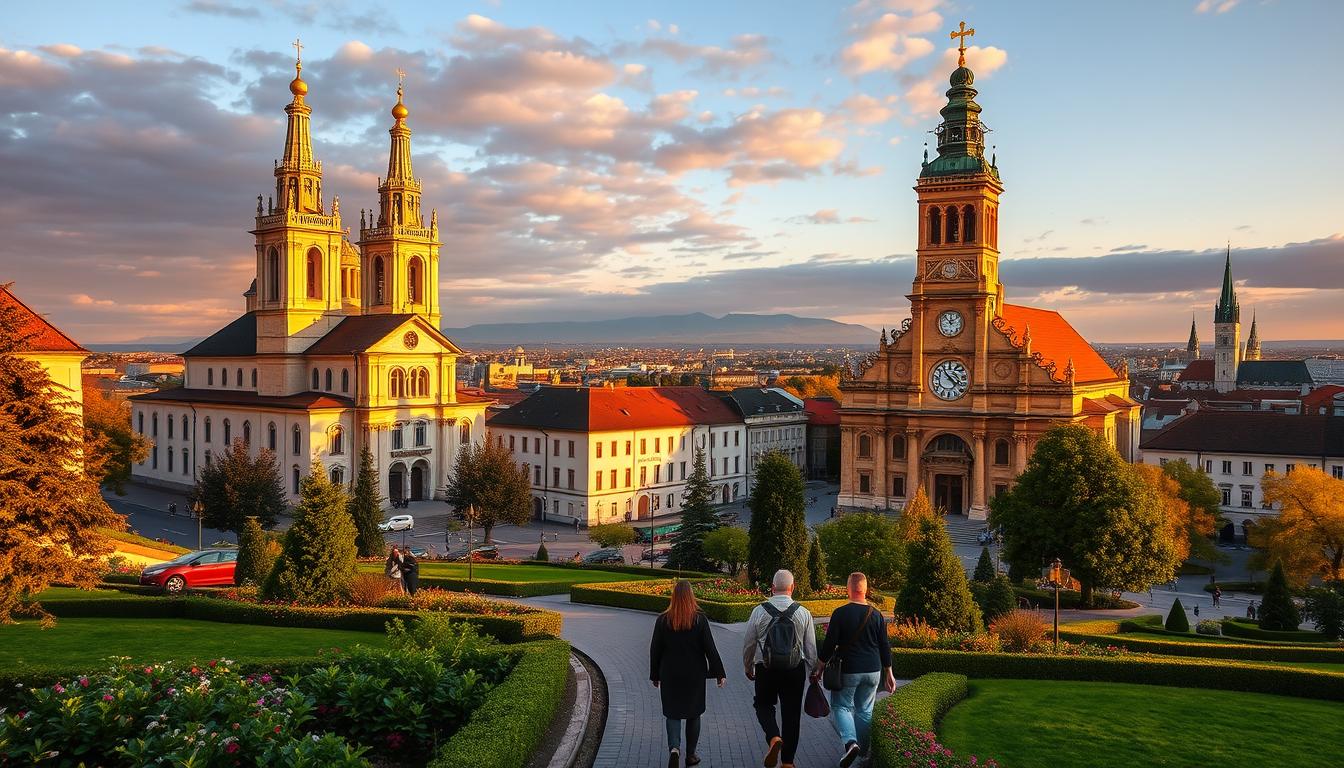
The historic churches in Munich are not only places of worship, but also considered an integral part of the city's cultural heritage. Visiting these churches provides a unique opportunity to understand Munich's religious and cultural history.
A Journey Through the History of Sports in Munich
Sports in Munich are not just a hobby, but a part of the city's history and culture. Munich, being the capital of Bavaria, has always been a center for sports in Germany, combining important historical and athletic events.
FC Bayern Munich and the Allianz Arena Stadium
FC Bayern Munich is considered one of the most famous sports clubs in the world, and the Allianz Arena is its home stadium, which has witnessed many important sporting events, including World Cup matches.
FC Bayern Munich was founded in 1900 and has since become a dominant force in German and European football. The Allianz Arena, which opened in 2005, is one of the most modern stadiums in Europe and can accommodate more than 75,000 spectators.
Global Sporting Events in Munich
Munich has hosted many global sporting events, including the 1972 Summer Olympics and the 2006 FIFA World Cup. These events have made Munich a destination for athletes and fans from all over the world.
Famous Sports Facilities in the City
In addition to the Allianz Arena, there are many other sports facilities in Munich, such as the Olympic Stadium built for the 1972 Olympics. These facilities make Munich a truly exceptional sports city.
| Sporting Event | Date | Facility |
| Summer Olympic Games | 1972 | Olympic Stadium |
| FIFA World Cup | 2006 | Allianz Arena Stadium |
The Most Famous Modern Architectural Landmarks in Munich
Munich is not only a historic city, but also home to many modern architectural landmarks. The city combines authenticity and modernity, making it an ideal destination for architecture enthusiasts.
BMW Welt and Futuristic Buildings
BMW Welt is one of the most significant modern architectural landmarks in Munich. The center is distinguished by its unique design that reflects the spirit of the brand. It also includes a car exhibition and a manufacturing facility that visitors can tour.
Harmony Between Traditional and Modern Architecture
Munich is known for its ability to seamlessly combine traditional and modern architecture. This harmony can be seen in the design of modern buildings that take the city's architectural heritage into account.
| Landmark | Description |
| BMW Welt | A modern architectural landmark known for its unique design |
| Modern Munich Buildings | Combine modernity with traditional architectural heritage |
Through this harmony, Munich presents itself as a progressive and modern city while still preserving its rich cultural heritage.
Travel Tips for Visiting Munich
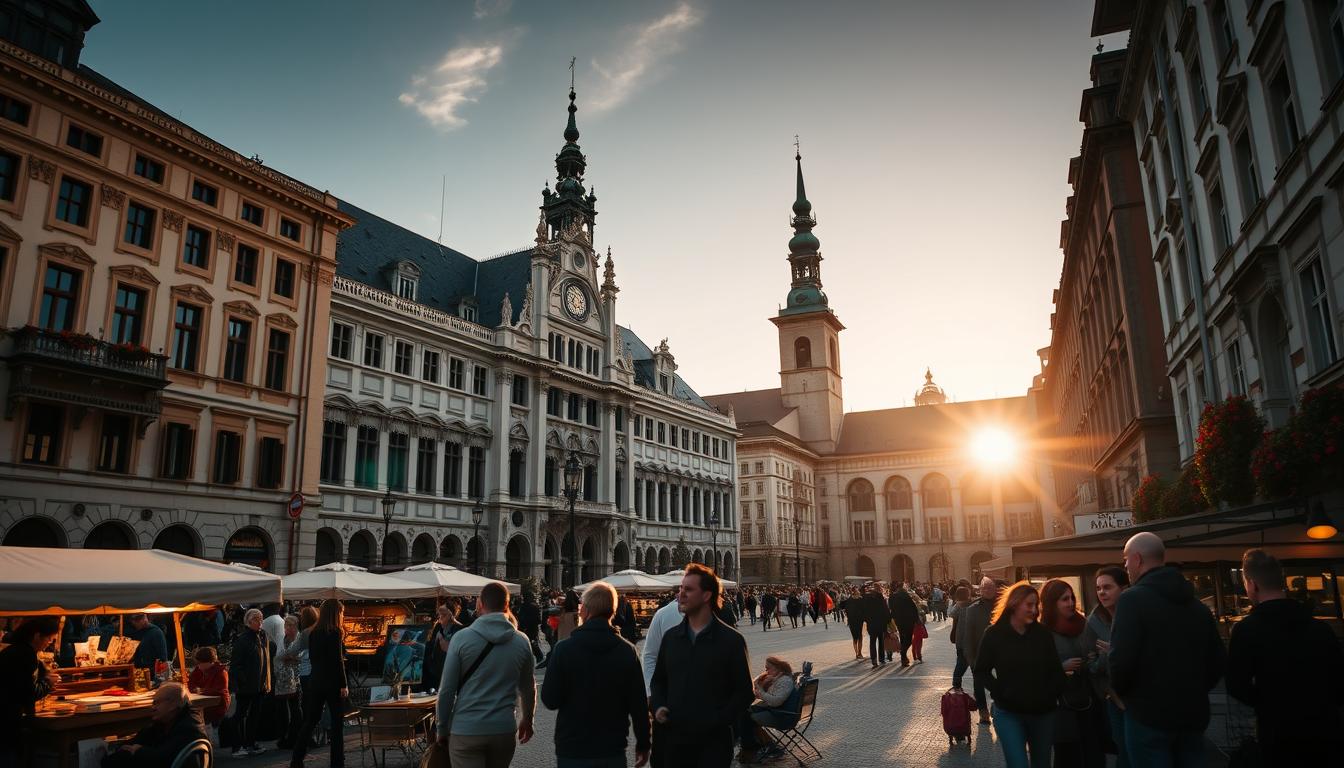
To ensure a successful trip to Munich, you should first understand the best times to visit the city and the means of transportation available. Munich, as a tourist destination, offers many options for visitors, but good planning can make your trip much more enjoyable.
Best Times to Visit Munich
The best times to visit Munich are during spring (March to May) and autumn (September to November). During these periods, the weather is mild and the chances of visiting tourist attractions without crowds are better.
Transportation Within the City
Munich has an excellent public transportation system that includes subways, buses, and trains. You can use the public transport card (MVV), which provides unlimited access to the city's public transportation network.
Tips for Accommodation and Shopping
When staying in Munich, it is recommended to choose hotels or apartments near the city center to easily reach tourist attractions. For shopping, you can visit Marienplatz and Neuhauser Street, where you will find a wide variety of shops.
Useful Information for Arab Tourists
For Arabic speakers, you may face some communication difficulties, but many locals in Munich speak English. There are also some restaurants that serve Arabic cuisine. It is also useful to download translation apps on your phone.
Conclusion: Exploring Munich – A Guide to the Most Famous Tourist, Historical, and Economic Landmarks
Munich is one of the most important tourist destinations in Europe, combining historical, tourist, and economic landmarks. By exploring Munich, visitors can learn about the tourist attractions guide that includes the famous Marienplatz square, the royal Nymphenburg Palace, and the city's remarkable museums.
Munich is known for its historical and economic importance, as it was the capital of Bavaria and played an important role in Germany's history. Today, Munich is considered an important economic center, especially in the technology and industrial sectors. The city is also famous for its rich culture and annual festivals, such as the famous Oktoberfest.
Visitors can enjoy a complete tourism experience in Munich, where they can visit historical landmarks such as the Frauenkirche Cathedral and enjoy the beautiful gardens like the English Garden. Additionally, the city offers a wide range of cultural and entertainment activities.
In conclusion, Munich is an ideal destination for visitors looking for a mix of history, culture, and entertainment. With the tourist attractions guide, historical sites, and economic highlights, visitors can enjoy an unforgettable travel experience in this wonderful city.
FAQ
What are the best times to visit Munich?
The best times to visit Munich are during spring (March to May) and autumn (September to November), when temperatures are moderate and the city is less crowded.
What are the most famous tourist attractions in Munich?
The most famous tourist attractions in Munich include Marienplatz, Nymphenburg Palace, Frauenkirche Cathedral, and the English Garden.
How can I get around Munich?
You can get around Munich using the excellent public transport network, which includes the metro, buses, and trains. You can also rent bicycles or use ride-hailing apps.
What are the most famous traditional Bavarian dishes?
The most famous traditional Bavarian dishes include: Schweinshaxn (roasted pork), Sauerbraten (beef in beer sauce), and Kartoffelfischl (dried fish).
What is Oktoberfest in Munich?
Oktoberfest is a traditional annual Bavarian festival held in Munich, featuring beer drinking, traditional food, and musical celebrations.
What are the most important museums in Munich?
The most important museums in Munich include the Old and New Pinakothek, the German Museum, and the BMW Museum.
What are the most famous historical churches in Munich?
The most famous historical churches in Munich include the Frauenkirche Cathedral, St. Peter’s Church, and St. Michael’s Church.
What activities can be done in Munich's parks?
Many activities can be enjoyed in Munich's parks, such as cycling, walking, and boating in the lakes.