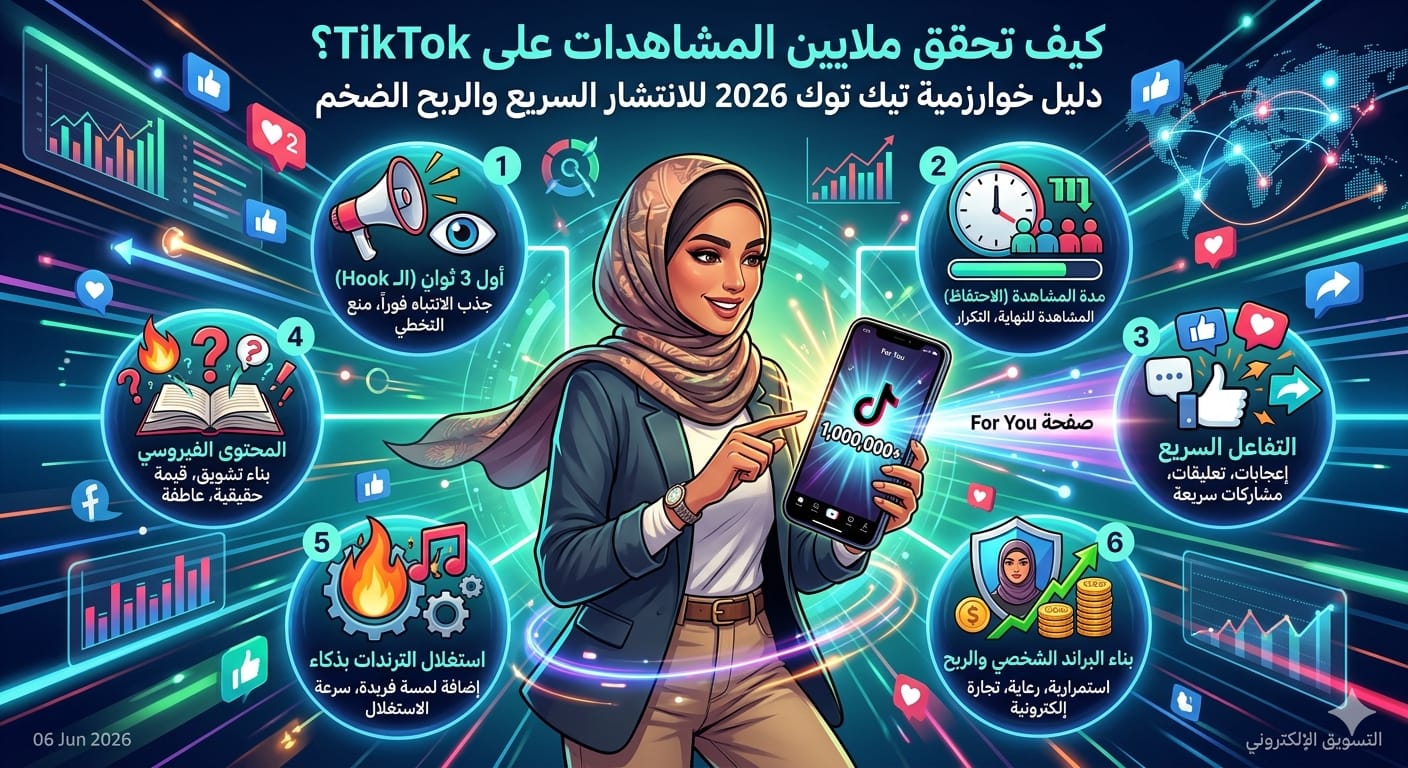
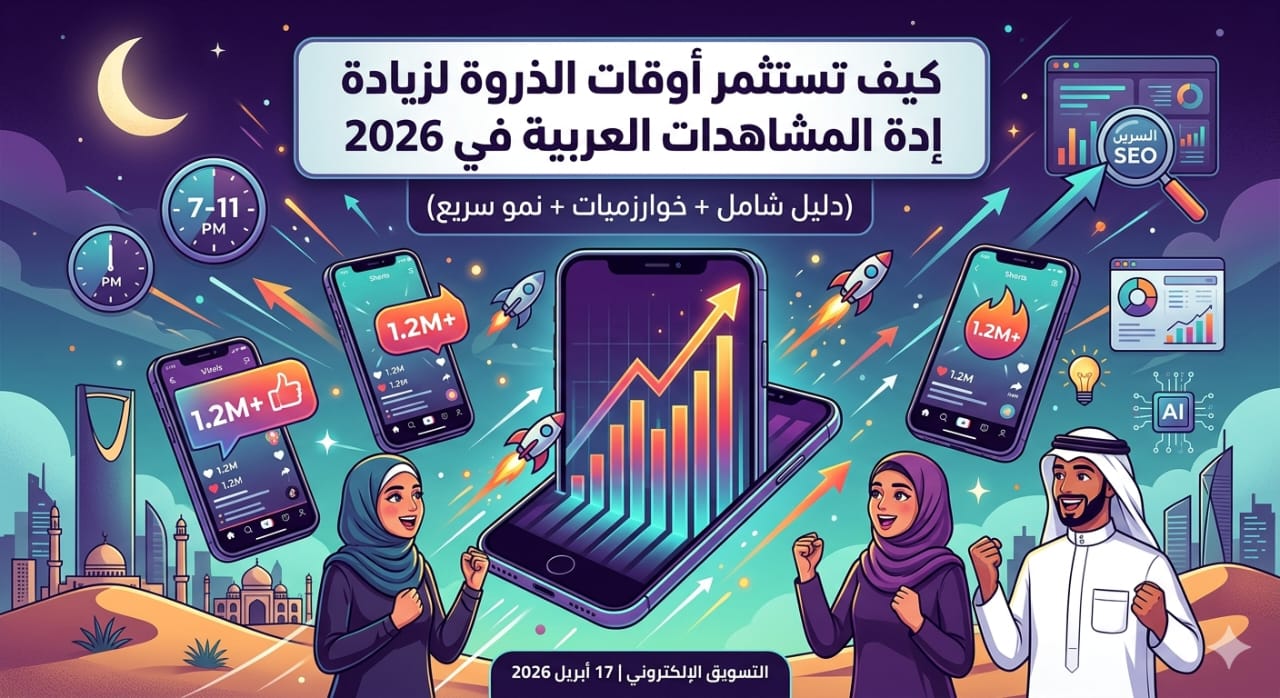
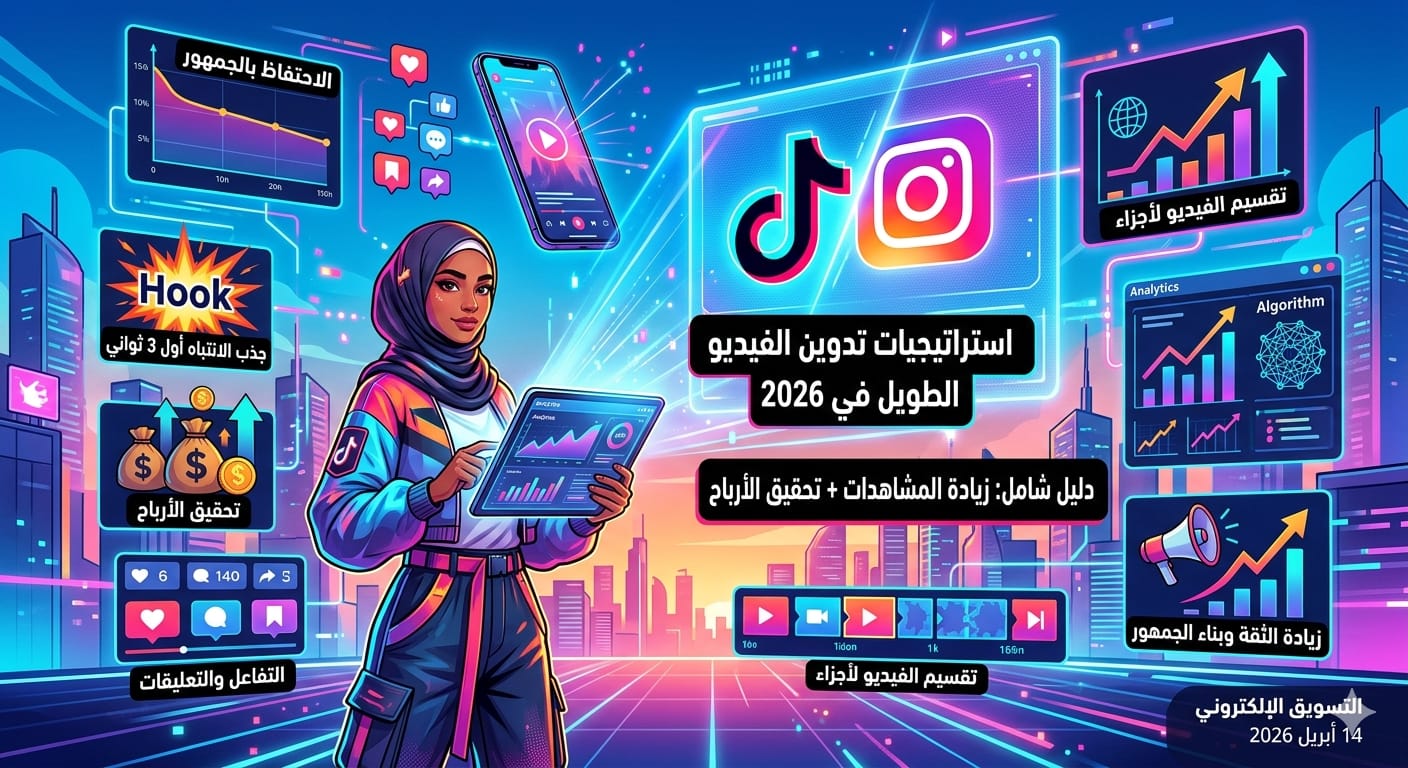
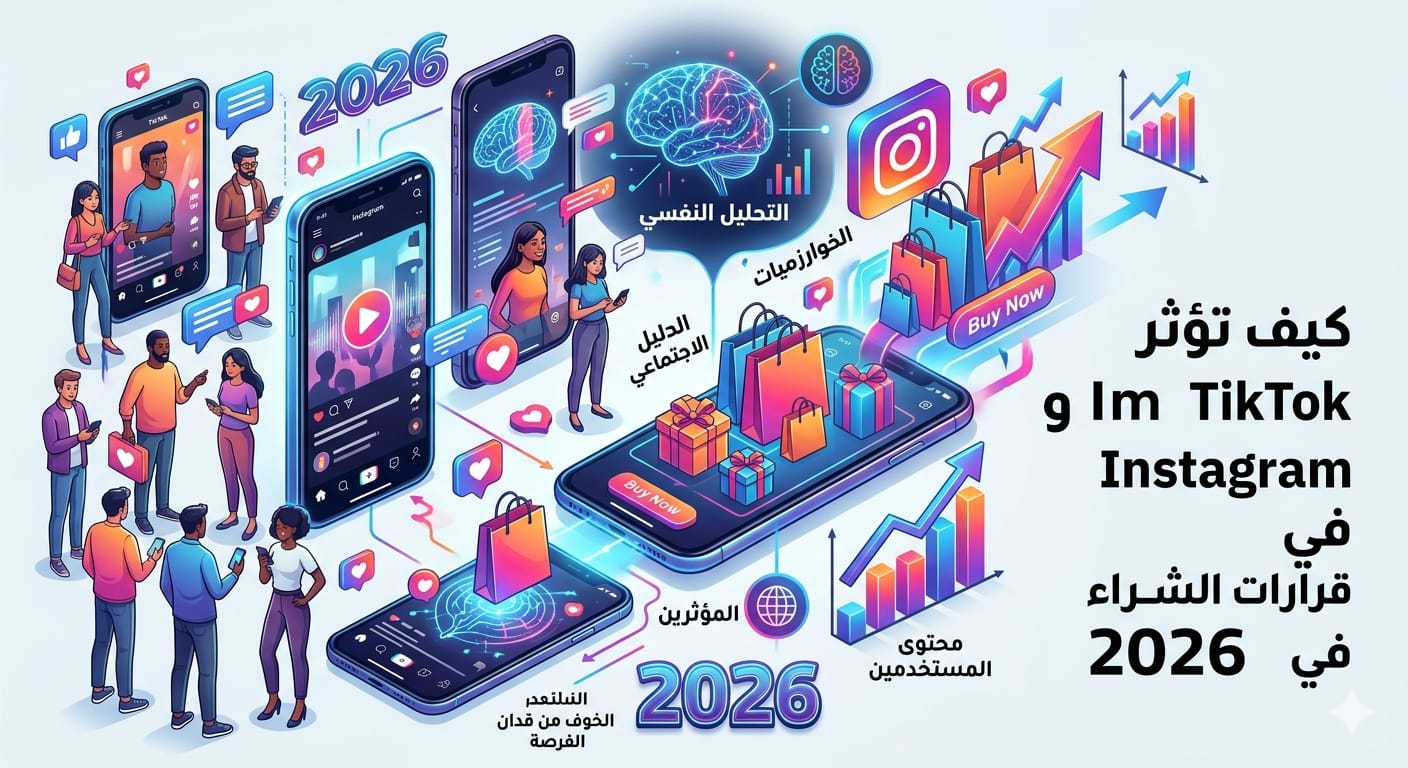
How Colors Influence Buying Decisions and Marketing in 2026: The Hidden Psychology Brands Use to Increase Sales, Trust, and Customer Loyalty
Digital Marketing
How Colors Influence Buying Decisions and Marketing | Color Psychology in 2026
Discover how colors influence buying decisions and digital marketing, and how global brands use color psychology to increase sales, improve user experience, build trust, and boost conversions in modern marketing strategies.
How Do Colors Influence Buying Decisions and Marketing — and Why Do Brands Use Color Psychology to Control Customer Emotions?
Introduction
In modern digital marketing, colors are no longer just decorative design elements used in logos, websites, or advertisements. Colors have become one of the most powerful psychological tools that directly influence customer emotions, consumer behavior, trust levels, attention span, and purchasing decisions. Today, major global companies invest millions of dollars into selecting the right colors because they understand that a single color can change how customers feel, think, and buy within seconds.
When a customer enters an online store, opens a mobile app, scrolls through a digital advertisement, or walks into a physical retail environment, the brain immediately processes colors before reading any text or understanding any details. This instant emotional reaction is why color psychology has become a core part of branding, digital marketing, eCommerce optimization, conversion rate optimization, and consumer psychology.
In the highly competitive American market, companies constantly analyze how visual elements influence consumer attention and sales performance. Brands no longer rely only on product quality. Instead, they create complete visual experiences designed to influence the subconscious mind, build emotional connections, improve brand recall, and increase conversions.
Different colors trigger different psychological reactions. Some colors create feelings of trust and security, while others create urgency, excitement, luxury, relaxation, or emotional warmth. This explains why financial institutions use blue, fast-food chains use red and yellow, and luxury brands often rely on black, gold, and silver.
In this article, we will deeply analyze how colors influence buying decisions and marketing performance, how global companies strategically use color psychology to increase revenue and customer trust, and how businesses can apply color psychology in branding, advertising, eCommerce, and digital marketing to improve conversion rates and customer engagement.
Why Does the Human Brain React So Strongly to Colors?
The human brain processes visual information faster than text. Scientific studies in consumer psychology show that people form emotional impressions within milliseconds after seeing a color combination. Before customers read headlines or analyze products logically, the subconscious mind already creates emotional associations based on visual cues.
This is why colors have become essential in modern marketing strategies. Companies do not randomly select brand colors. Instead, they build psychological frameworks around how colors influence emotions, memory, trust, urgency, and buying behavior.
Colors also affect attention levels and cognitive focus. Certain colors calm the brain and create feelings of safety, while others increase excitement and encourage faster decision-making. This is why online stores strategically use specific colors in “Buy Now” buttons, discount banners, and limited-time offers.
Another important factor is emotional memory. The human brain naturally connects colors with experiences and feelings. Over time, customers begin associating certain emotions with specific brands purely because of repeated visual exposure. Small businesses often make the mistake of focusing only on aesthetic beauty instead of psychological impact.
Why Do People Remember Certain Brands Instantly?
Strong visual identity is one of the main reasons. The brain naturally links specific colors with repeated brand experiences. Over time, colors themselves become part of brand recognition and emotional memory.
How Global Companies Use Color Psychology in Marketing
Large corporations use advanced psychological research and consumer behavior analysis when selecting brand colors. Their goal is not simply attracting attention but shaping customer emotions and influencing purchasing behavior.
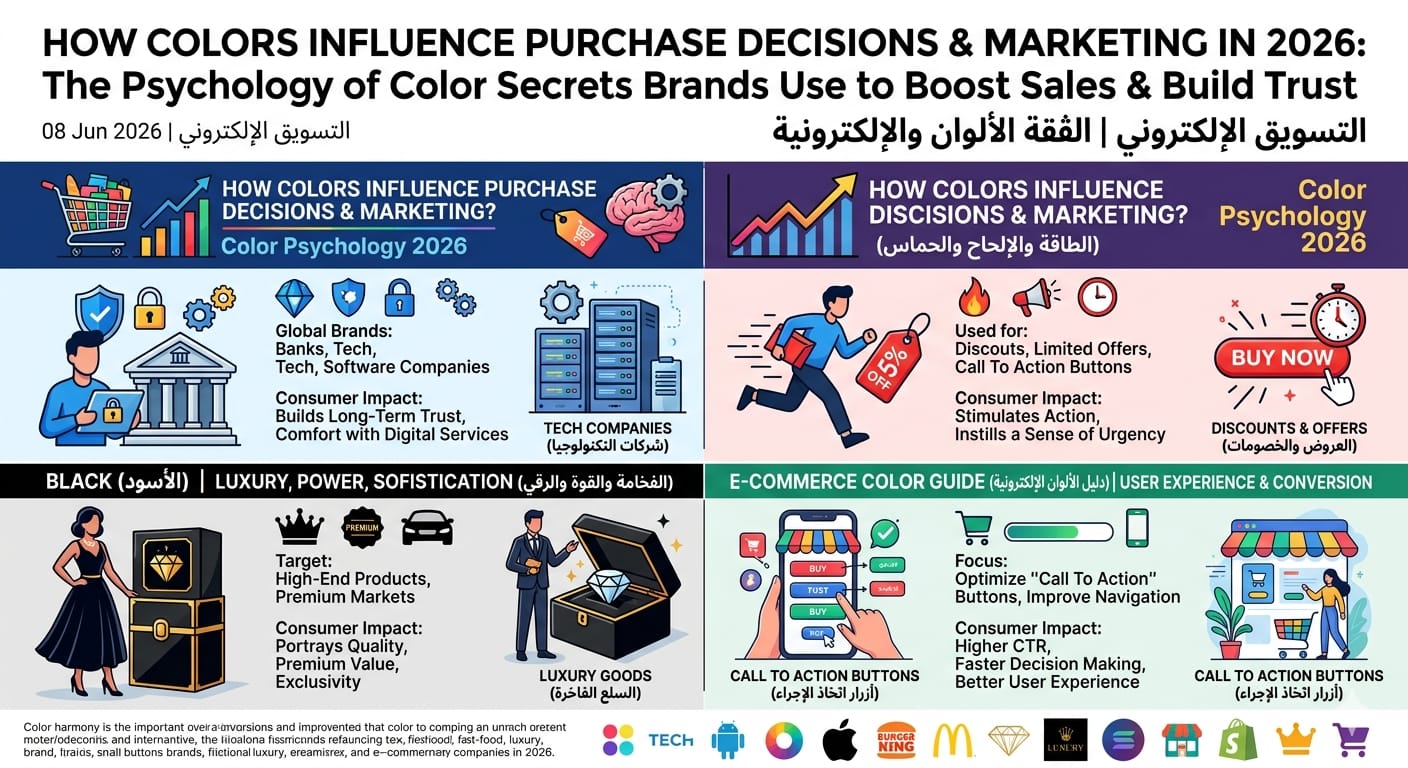
Technology companies frequently use blue because it represents trust, professionalism, stability, intelligence, and security. This is why banks, software companies, fintech startups, and social media platforms often rely heavily on blue branding.
Fast-food companies commonly use red and yellow because these colors stimulate appetite, energy, speed, and impulsive decision-making. Luxury brands frequently use black and gold to create feelings of sophistication, exclusivity, elegance, and premium quality.
eCommerce companies also test button colors continuously. A simple change in CTA button color can dramatically improve conversion rates and sales performance. American brands increasingly rely on A/B testing and behavioral analytics to optimize color combinations.
Why Do Tech Companies Prefer Blue?
Blue psychologically creates feelings of trust and safety. Customers feel more comfortable using platforms that appear stable and secure. This is why banks, SaaS companies, and financial apps heavily depend on blue branding.
The Psychological Impact of Red on Buying Decisions
Red is one of the strongest emotional colors in marketing because it represents urgency, excitement, passion, action, and stimulation. Retail stores often use red during sales campaigns because it naturally attracts attention faster than many other colors.
The human brain interprets red as a high-energy signal. This creates psychological pressure that encourages users to make faster purchasing decisions. Limited-time offers, clearance sales, and flash discounts commonly rely on red visual elements.
Why Does Red Increase Conversion Rates?
Red instantly grabs visual attention. It creates urgency and emotional stimulation. This psychological pressure encourages faster decision-making and impulse purchases.
How Blue Builds Trust and Customer Loyalty
Blue remains one of the most trusted colors in branding and digital marketing. Research consistently shows that blue creates feelings of calmness, professionalism, reliability, and emotional security. This is especially important in industries involving financial transactions, healthcare, cybersecurity, and online banking.
Does Blue Really Increase Consumer Trust?
Yes, psychological studies strongly support this. Blue is associated with reliability and professionalism. Customers feel safer sharing information or making purchases on blue-dominant platforms.
The Power of Black in Luxury Marketing
Black is strongly associated with luxury, sophistication, exclusivity, authority, and elegance. High-end brands in fashion, automotive, and premium technology frequently use black branding to communicate prestige and superior quality. Black helps products appear more expensive, refined, and aspirational.
Why Do Luxury Brands Prefer Black?
Black communicates exclusivity and premium quality. It psychologically increases perceived value. Customers associate black branding with sophistication and status.
How Colors Influence eCommerce Conversion Rates
Modern eCommerce platforms rely heavily on color psychology to improve user experience and maximize conversions. Every visual element inside an online store affects customer behavior. Background colors influence emotional comfort, while CTA button colors influence clicking behavior.
Does Button Color Affect Sales?
Yes. CTA button colors directly influence click-through rates. High-contrast colors naturally attract more user interaction and increase conversions.
The Role of Colors in Digital Advertising
Digital advertising is highly competitive. markters only have seconds to capture user attention. Colors play a critical role in whether users stop scrolling or ignore an ad completely. Successful advertisements create emotional visual experiences that influence subconscious decision-making.
Why Do Some Ads Fail Visually?
Poor color selection often creates emotional discomfort. Inconsistent branding reduces trust and professionalism. Psychological design is essential for modern advertising performance.
Best Strategies for Using Colors in Marketing
Professional color strategy begins with understanding audience psychology, brand positioning, and emotional goals. Successful brands develop complete visual systems using primary and secondary color palettes. Testing remains extremely important through A/B experiments.
How Do You Choose the Right Brand Colors?
Start by understanding your target audience and emotional goals. Decide whether your brand should communicate trust, excitement, luxury, or energy. Then select color systems that consistently reinforce those emotional signals.
Conclusion
Colors are no longer simple visual decorations in marketing and branding. They have become powerful psychological tools capable of influencing customer emotions, trust levels, attention span, and buying behavior. Global companies strategically use color psychology to build memorable brand identities and strengthen customer loyalty.